Jindan Society and Korean Studies
Yi Byeong-do, Son Jin-tae and others formed the Jindan Society and its journal to pursue positivist, document-based history. In the same years came the Joseon Studies movement of Jeong In-bo and An Jae-hong and Baek Nam-un’s socio-economic history.
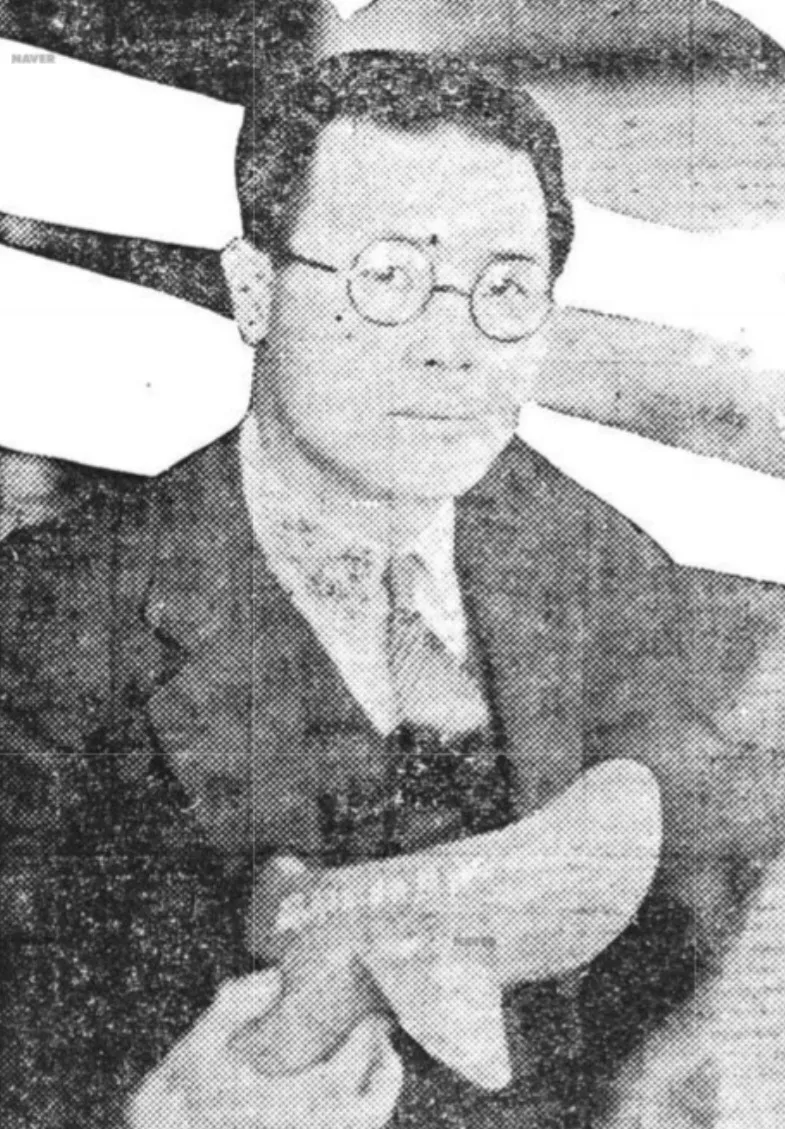
조선일보 · Public domain · Source
Through the Korean History Compilation Committee (1925) Japan published an official history and spread colonial views such as heteronomy (Korea always swayed by neighbours) and stagnation (Korea never developed). Several strands of Korean studies arose in response.
The Jindan Society, founded in 1934, stressed the precise verification of facts. Jeong In-bo, An Jae-hong and Mun Il-pyeong launched the Joseon Studies movement in 1934 by publishing the collected works of Jeong Yak-yong on the 99th anniversary of his death; Jeong In-bo emphasized the national "eol" (spirit). Baek Nam-un’s Socio-economic History of Korea (1933) argued that Korea had developed according to universal laws of history, refuting the stagnation theory.