CultureMarch 1420(Lunar)

Jiphyeonjeon expanded

Sejong turned the Hall of Worthies into a research institute whose scholars produced the Hunminjeongeum commentary and many other works.
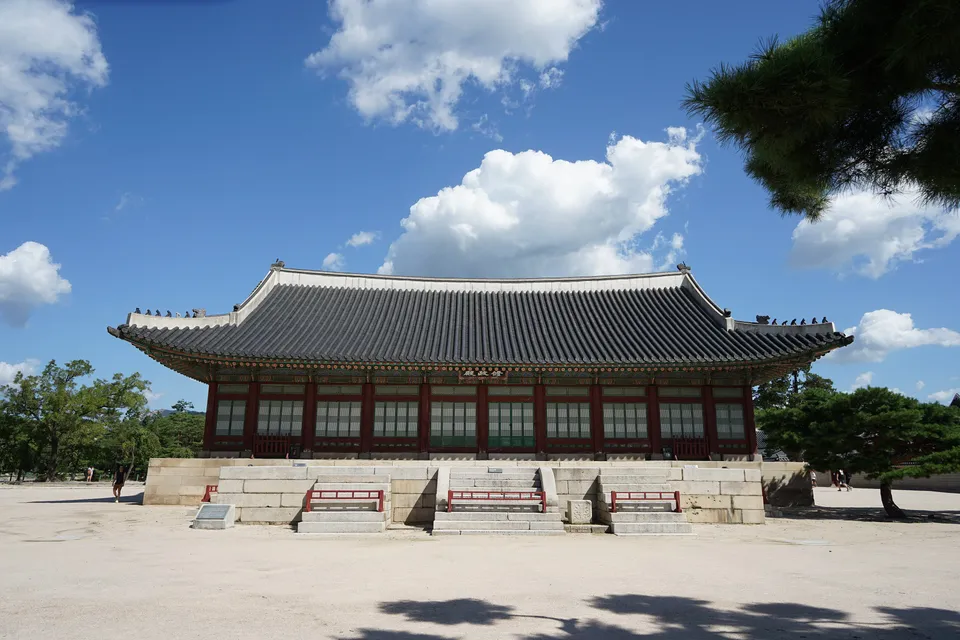
Sujeongjeon in Gyeongbokgung, on the site of the Hall of Worthies

De-Shao Liu ( Terry850324 ) · CC BY-SA 4.0 · Source

The Jiphyeonjeon had existed in name since Goryeo, but in 1420 Sejong set it up inside the palace and filled it with young scholars. They lectured the king and crown prince on the classics at royal seminars and researched past institutions to support policy. Sejong even gave them paid study leave (saga dokseo). The hall produced works such as the History of Goryeo and the Illustrated Guide to the Three Bonds, and Seong Sam-mun, Bak Paeng-nyeon, Sin Suk-ju and Jeong In-ji all worked there. Sejo abolished it in 1456 after the plot of the Six Martyred Ministers; under Seongjong its role passed to the Hongmungwan.

The map in 1420

OpenFreeMap © OpenMapTiles © OpenStreetMap contributors

States and rulers at the time
Joseon — Sejong
Places
Gyeongbokgung

People

  • Sejong the Great1397 – 1450

    leader · Fourth king of Joseon, creator of Hangul, patron of science and of the northern frontier

  • Jeong In-ji1396 – 1478

    participant · Jiphyeonjeon scholar who wrote the preface to the Hunminjeongeum haerye and led the compilation of the Goryeosa

  • Sin Suk-ju1417 – 1475

    participant · Jiphyeonjeon scholar who helped create Hunminjeongeum, wrote the Haedong jegukgi after a mission to Japan, and became Chief State Councillor under Sejo

  • Bak Paeng-nyeon1417 – 1456

    participant · Jiphyeonjeon scholar executed as one of the Six Martyred Ministers for plotting with Seong Sam-mun to restore Danjong

  • Seong Sam-mun1418 – 1456

    participant · Hall of Worthies scholar executed for plotting to restore Danjong; one of the Six Martyred Ministers

Before and after