Conflict1932 – 1933

Korean Independence Army at Ssangseongbo and Daejeonjaryeong

Ji Cheong-cheon’s Korean Independence Army, allied with Chinese forces, defeated the Japanese at Ssangseongbo, Sadohaja, Donggyeongseong and Daejeonjaryeong in northern Manchuria.
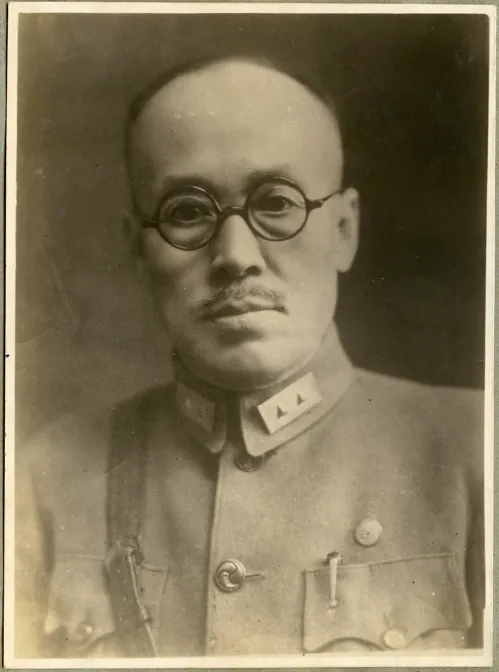
Ji Cheong-cheon, commander of the Korean Independence Army

Unknown author · Public domain · Source

The Korean Independence Party of the northern Revolutionary Council commanded the Korean Independence Army. In 1932 it attacked and took Ssangseongbo with the Chinese Self-Defence Army, and in 1933, after battles at Sadohaja and Donggyeongseong, ambushed the Japanese at the Daejeonjaryeong pass, winning a great victory and capturing large quantities of arms and supplies.

Large-scale Japanese sweeps and disagreements with the Chinese made Manchuria untenable, and at the Provisional Government’s request Ji and others moved into China proper, later forming the core of the Korean Liberation Army.

The map in 1932

OpenFreeMap © OpenMapTiles © OpenStreetMap contributors

States and rulers at the time
Japan · defeated — Emperor Shōwa
Republic of China · allied force
Places
Ssangseongbo (Shuangcheng), Daejeonjaryeong Pass

People

  • Ji Cheong-cheon1888 – 1957

    commander · Commander of the Korean Independence Army in the joint Korea–China campaigns and Commander-in-Chief of the Liberation Army

Before and after

Themes that include this event

  • Republican China and Imperial Japan1912 – 1949

    The age when the Republic of China, born of the 1911 Revolution, passed through warlord division, the May Fourth Movement, the United Front and the Northern Expedition, fought Japan’s invasion and split in civil war — as Japan moved from Taishō democracy through the Manchurian Incident and military coups to the war in China and the Co-Prosperity Sphere, and colonized Korea resisted through the March First Movement and armed struggle