Kristallnacht
Also called: Night of Broken Glass, November Pogrom, Reichskristallnacht
Across Nazi Germany, Jewish synagogues, shops and homes were attacked and burned. It is called “Kristallnacht” (Crystal Night) for the broken glass that covered the streets.
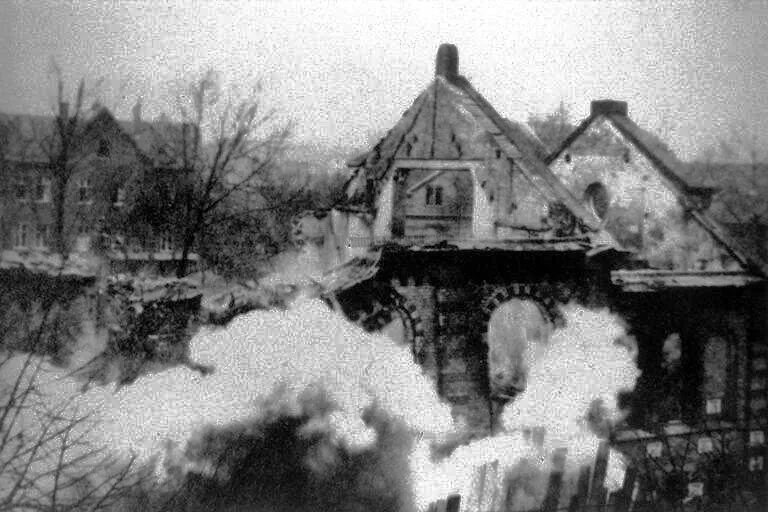
Unknown - Eisenach Stadt-Archiv (city-archive) or Center for Jewish history, NYC, · Public domain · Source
In October 1938 Germany expelled some 17,000 Jews of Polish nationality across the border. On hearing that his parents had been deported, Herschel Grynszpan, a 17-year-old Jew, shot a diplomat at the German embassy in Paris on 7 November; when the diplomat died on the 9th, propaganda minister Goebbels incited retaliation. From the night of the 9th into the 10th, Nazi stormtroopers and mobs across Germany, Austria and the Sudetenland set hundreds of synagogues on fire and wrecked some 7,000 shops.
At least 91 people were killed and some 30,000 Jewish men were sent to concentration camps. The regime then fined the Jews themselves one billion marks for the damage and drove them out of economic life and the schools. Emigration surged, and Britain took in some 10,000 Jewish children. Also called the November Pogrom in Germany today, the event turned legal discrimination into open violence and marked a turning point on the road to the Holocaust.