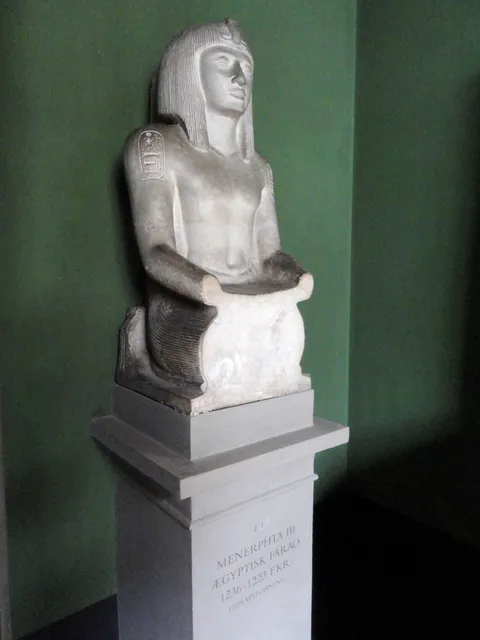
Merneptah Stele
Also called: Israel Stele, Merenptah Stele
Stele on which Pharaoh Merneptah recorded his victories, including in Canaan. Its line “Israel is laid waste, his seed is not” contains the first known mention of the name Israel.
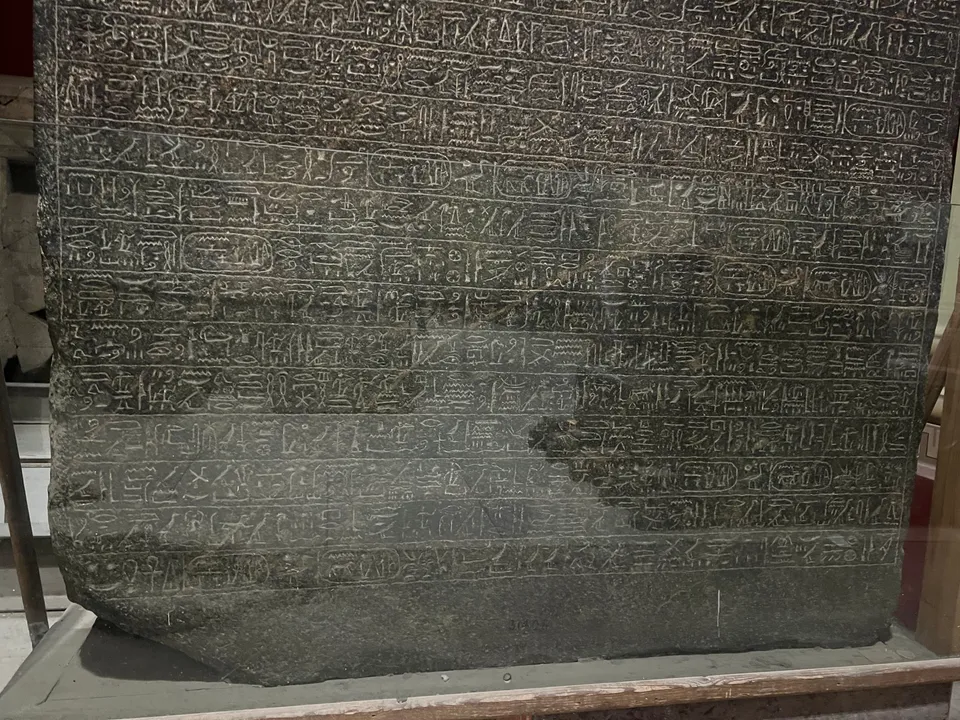
Onceinawhile · CC BY-SA 4.0 · Source
Around 1208 BCE, in the fifth year of his reign, Merneptah, son of Ramesses II, set up a stele celebrating his victory over invading Libyans. At the end of this granite slab over three metres high, a short passage also records a campaign in Canaan: “Canaan is plundered with every evil; Ashkelon is carried off; Gezer is seized … Israel is laid waste, his seed is not.”
Found by the British Egyptologist Flinders Petrie in Merneptah’s mortuary temple at Thebes in 1896, the stele is the oldest record of the name Israel. The other names carry the sign for a land, but Israel carries the sign for a people, showing that a group called Israel lived in Canaan by this time.
The stele does not confirm the Exodus story. But because it shows Israel already in Canaan, it is a fixed point in debates over when the story could be set. It is now in the Egyptian Museum in Cairo.