World · History1279 BC – 1208 BC9 events

The Exodus

From slavery and the burning bush, the ten plagues and the parted sea, to the Ten Commandments at Sinai, forty years in the wilderness and Moses on Mount Nebo — the Exodus as the Hebrew Bible tells it, followed on the map alongside Ramesses II’s capital and the Merneptah Stele, the first record to name “Israel”
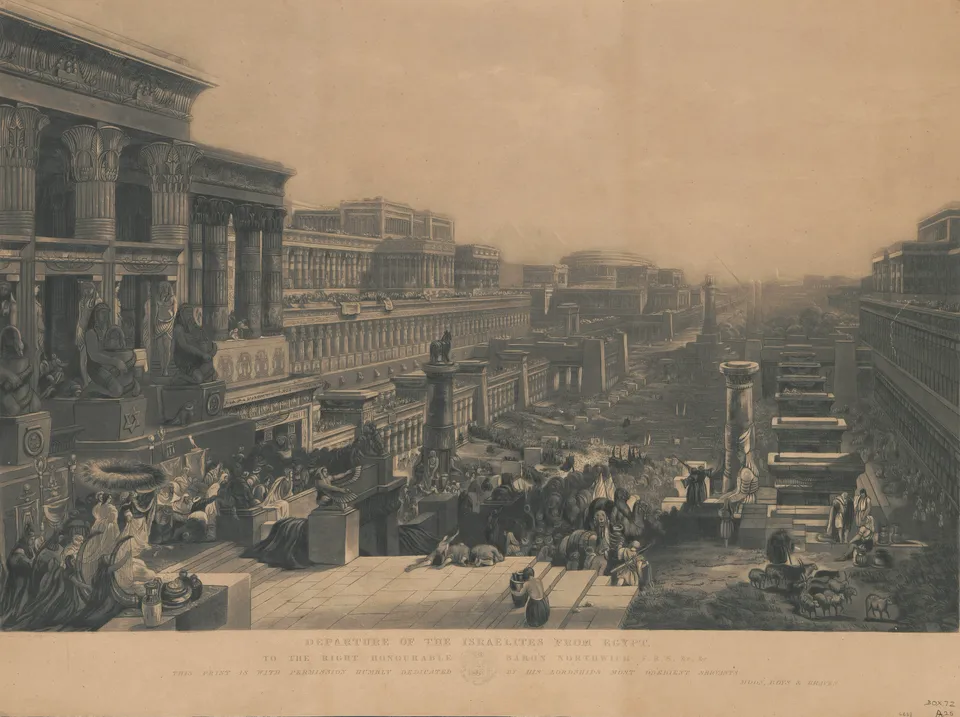
「이집트를 떠나는 이스라엘 사람들」 — 데이비드 로버츠 그림, 1829년

After David Roberts · Public domain · Source
The theme on the map

OpenFreeMap © OpenMapTiles © OpenStreetMap contributors

9 events in this theme

  1. Ramesses II built a new capital, Pi-Ramesses, in the eastern Nile Delta. Many scholars identify it with the “Rameses” the Bible says the Israelites built.

  2. 1250 BCThe Burning BushScripture

    A story told in the Book of Exodus: Moses, drawn from the Nile and raised by Pharaoh’s daughter, fled to Midian, and on Mount Horeb was called by God from a bush that burned without being consumed.

  3. A story told in the Book of Exodus: when Pharaoh refused again and again to let the Israelites go, ten plagues fell on Egypt, and in the last only the houses marked with a lamb’s blood were passed over (Passover).

  4. 1250 BCThe ExodusScripture

    A story told in the Book of Exodus in the Hebrew Bible: the Israelites, enslaved in Egypt, followed Moses through ten plagues and a parted sea out of Egypt, and received the Ten Commandments on Mount Sinai.

  5. 1250 BCCrossing of the Red SeaScripture

    A story told in the Book of Exodus: before Pharaoh’s pursuing chariots, Moses stretched out his hand, the sea parted and the Israelites crossed on dry ground, and the returning waters drowned the Egyptian army. Where that sea was is unknown.

  6. A story told in the Book of Exodus: in the third month after leaving Egypt the Israelites reached Mount Sinai, made a covenant with God, and Moses received the Ten Commandments on two tablets of stone — while below the mountain the people made a golden calf.

  7. A story told in the Book of Numbers: of twelve spies sent from Kadesh Barnea into Canaan, ten came back afraid; the people rebelled, and God condemned Israel to forty years in the wilderness.

  8. 1210 BCMoses on Mount NeboScripture

    A story told in the Books of Numbers and Deuteronomy: after forty years in the wilderness, having gone around Edom to the plains of Moab, Moses climbed Mount Nebo, looked out over Canaan and died at a hundred and twenty; Joshua succeeded him.

  9. Stele on which Pharaoh Merneptah recorded his victories, including in Canaan. Its line “Israel is laid waste, his seed is not” contains the first known mention of the name Israel.

Key people

  • Moses

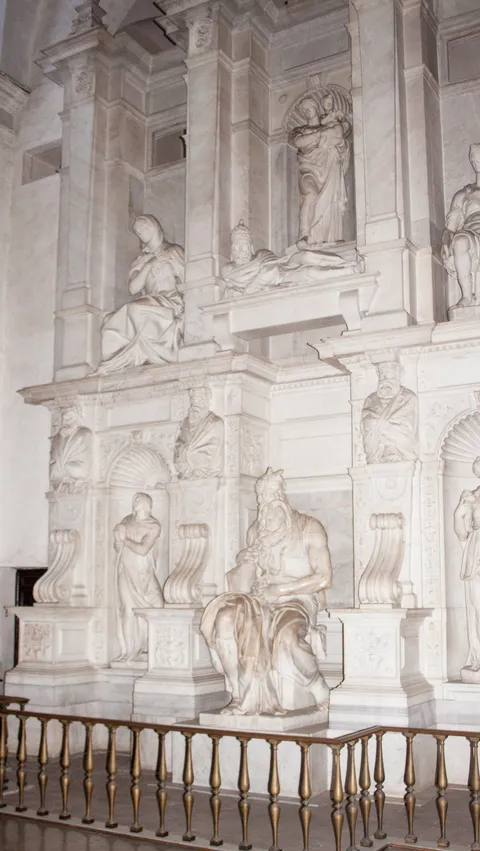
    Leader and prophet of Israel in the Hebrew Bible, who is said to have led the Israelites out of Egypt and received the Ten Commandments on Mount Sinai; he does not appear in records outside the Bible

  • Aaron

    Elder brother of Moses in the Hebrew Bible, who spoke for him before Pharaoh and became the first high priest of Israel; he is said to have died on Mount Hor

  • Joshua

    Moses’ aide and successor in the Hebrew Bible, who with Caleb brought back a good report from Canaan and, after Moses’ death, led the people across the Jordan

  • Ramesses II1303 BC – 1213 BC

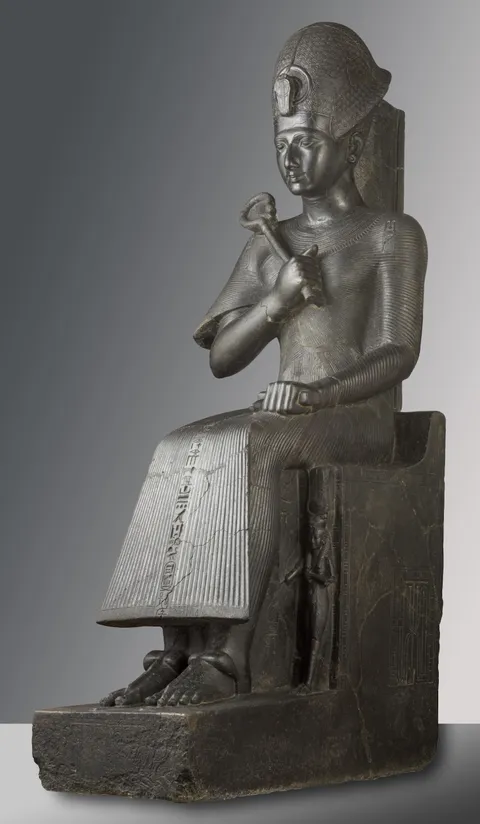
    Nineteenth-Dynasty pharaoh (r. 1279–1213 BC) who fought at Kadesh, made peace with the Hittites and built Abu Simbel

  • Merneptah1270 BC – 1203 BC

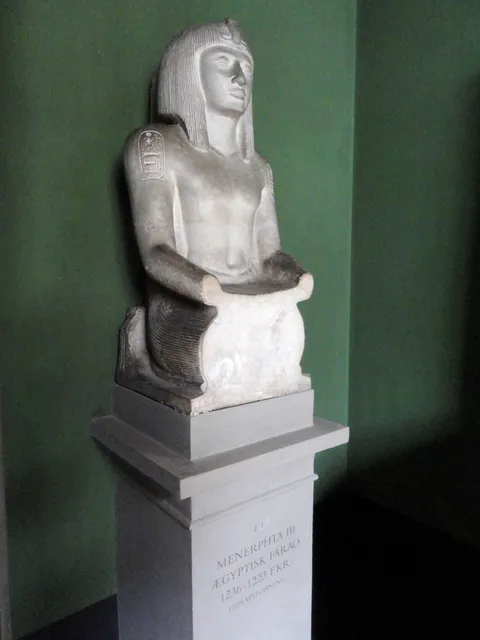
    Pharaoh of Egypt’s 19th Dynasty (r. c. 1213–1203 BCE), thirteenth son of Ramesses II; his stele carries the first known mention of “Israel”