Muromachi Shogunate and the Northern and Southern Courts
Also called: Ashikaga shogunate, Nanboku-chō, Kenmu Restoration
After the fall of the Kamakura shogunate, Ashikaga Takauji broke with Emperor Go-Daigo, set up a Northern Court in Kyoto in 1336 and became shogun in 1338. The civil war against the Southern Court at Yoshino lasted until Ashikaga Yoshimitsu reunited the courts in 1392.
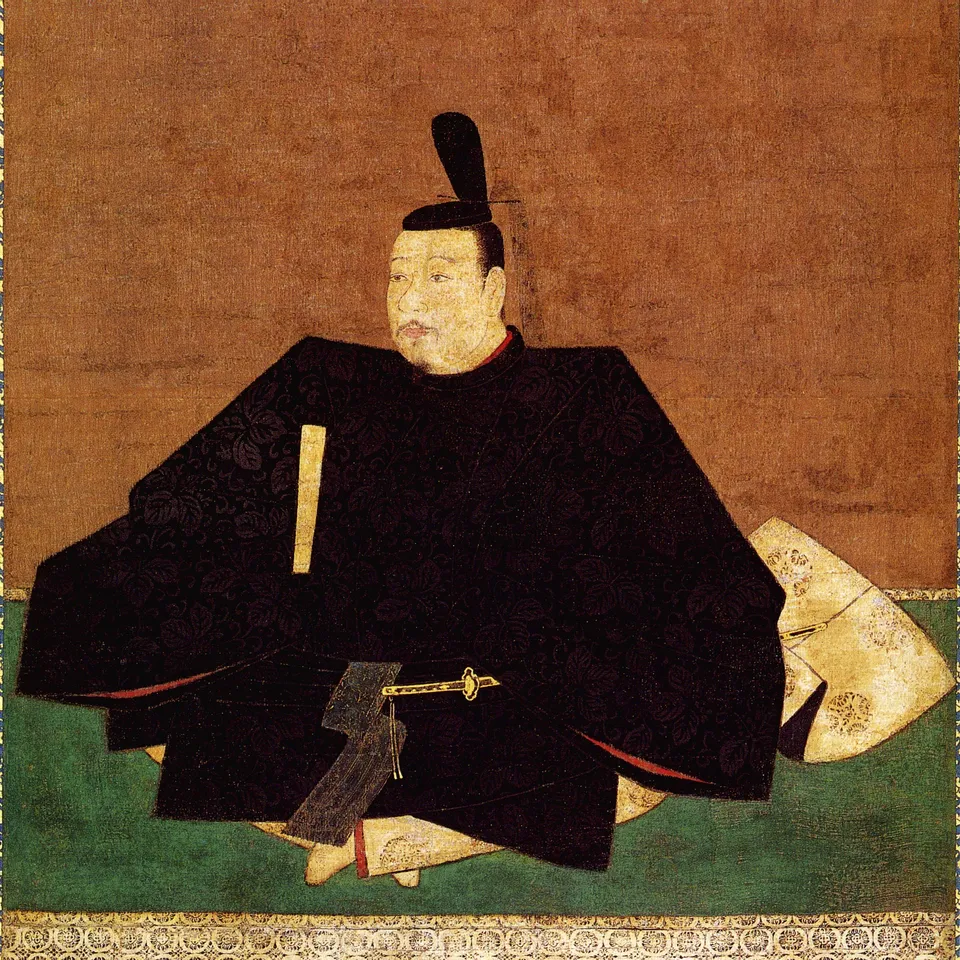
Unknown author · Public domain · Source
In 1333 Emperor Go-Daigo, with the help of warriors such as Ashikaga Takauji and Nitta Yoshisada, overthrew the Kamakura shogunate and launched the Kenmu Restoration of direct imperial rule. But warriors chafed at a court-centred government, and Takauji rebelled, took Kyoto in 1336, enthroned another emperor (the Northern Court) and became shogun in 1338. Go-Daigo moved to Yoshino and set up the Southern Court.
During the war between the two courts, provincial shugo seized land and taxes and grew into shugo daimyo. The third shogun, Ashikaga Yoshimitsu, built his residence (the Flower Palace) at Muromachi in Kyoto, giving the shogunate its name, and in 1392 absorbed the Southern Court to reunite the realm. Kitayama culture, symbolised by the Golden Pavilion, and Noh theatre flourished in his time.
The turmoil of the two courts turned bands from Tsushima, Iki and northern Kyushu into wokou pirates who ravaged the Goryeo coast; Goryeo fought back with Choe Yeong’s and Yi Seong-gye’s victories at Hongsan and Hwangsan and Choe Mu-seon’s cannon. 1392, the year the courts were reunited, was also the year Joseon was founded in Korea.