Philosophyc. 1290

Arrival of Neo-Confucianism

Under King Chungnyeol, An Hyang brought Neo-Confucianism from the Yuan; through Yi Je-hyeon and Yi Saek it became the creed of new scholar-officials such as Jeong Mong-ju and Jeong Do-jeon.
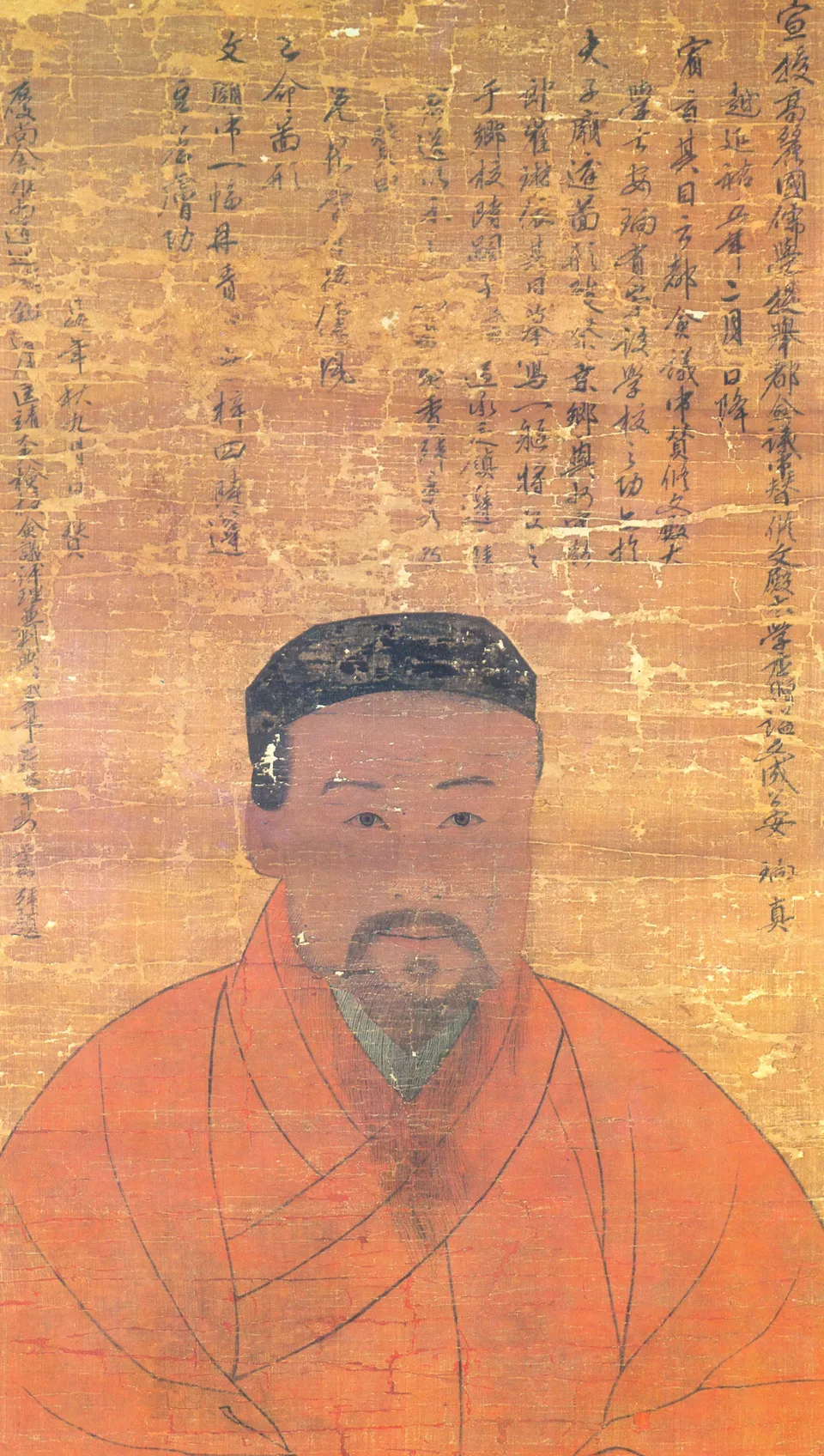
Portrait of An Hyang, who introduced Neo-Confucianism to Goryeo (National Treasure), Sosu Seowon

Yi Bul-hae · Public domain · Source

An Hyang copied Zhu Xi’s works in the Yuan and introduced them; Baek I-jeong studied in the Yuan and taught Yi Je-hyeon and others. At the Mangwondang library that King Chungseon founded in Dadu (1314), Yi Je-hyeon befriended Yuan scholars. Under King Gongmin, Yi Saek led the Seonggyungwan and trained Jeong Mong-ju, Jeong Do-jeon and others.

Goryeo Neo-Confucianism stressed practice in daily life, spreading the Elementary Learning and Zhu Xi’s Family Rites, and criticized Buddhist abuses. It became the reform ideology of the new scholar-officials against the magnates and the Buddhist establishment.

The map in 1290

OpenFreeMap © OpenMapTiles © OpenStreetMap contributors

States and rulers at the time
Goryeo — King Chungnyeol

People

  • An Hyang1243 – 1306

    leader · Scholar who brought Zhu Xi’s writings from Yuan and first introduced Neo-Confucianism to Goryeo

  • Baek I-jeong1247 – 1323

    participant · Scholar who studied Neo-Confucianism in Yuan while attending King Chungseon and taught it to Yi Je-hyeon and others

  • Yi Je-hyeon1287 – 1367

    participant · Neo-Confucian scholar who studied with Yuan scholars at the Mangwondang and wrote the Saryak and Yeogong paeseol

  • Yi Saek1328 – 1396

    participant · Late Goryeo Neo-Confucian who, as head of the Seonggyungwan under King Gongmin, trained Jeong Mong-ju and Jeong Do-jeon

  • King Chungseon1275 – 1325

    related figure · Twenty-sixth king of Goryeo, who founded the Mangwondang library in Dadu where Goryeo and Yuan scholars met

Before and after

Themes that include this event

  • Song, Ming and Samurai JapanAD 960 – 1500

    The age when the civil-minded Song bought peace from Liao, Western Xia and Jin while the lower Yangtze boomed and Neo-Confucianism took shape, and the Ming, having driven out the Yuan, rebuilt the East Asian order through imperial autocracy, the sea ban and tribute — as Japan passed through the Kamakura and Muromachi warrior governments into the Warring States era, and Korea from Goryeo to Joseon