Nightingale at Scutari
Also called: The Lady with the Lamp
Nightingale led 38 nurses to the British army hospital at Scutari in the Crimean War; making her rounds each night with a lamp, she became “the Lady with the Lamp”.
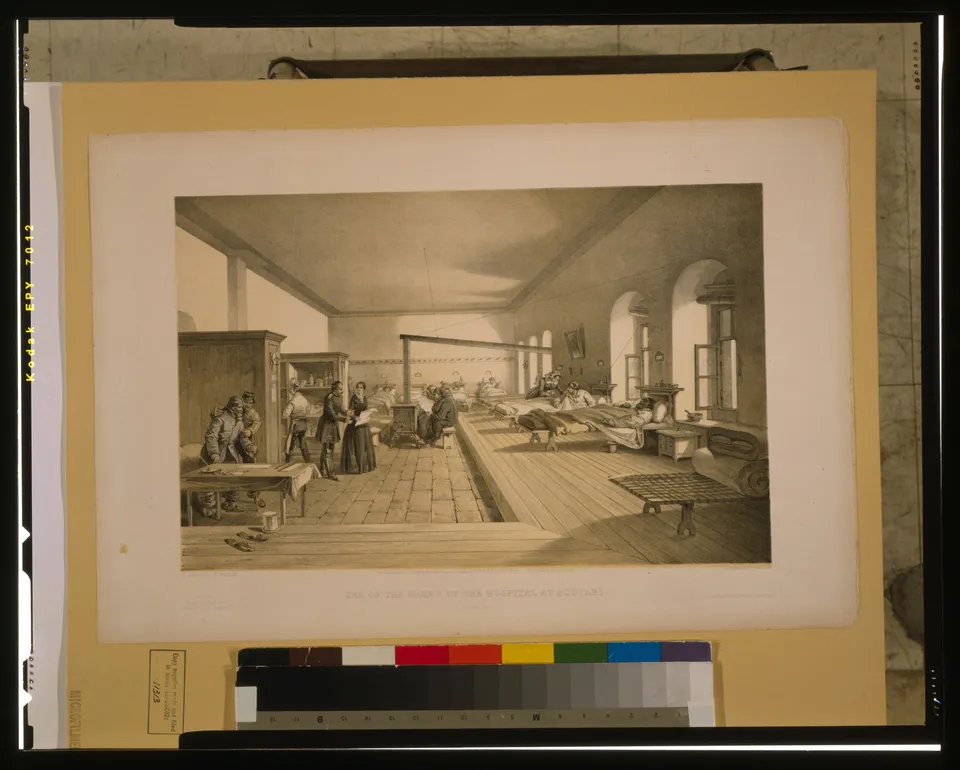
William Simpson · Public domain · Source
In 1854 The Times reported that British soldiers wounded in the Crimean War were dying untreated in the hospital at Scutari across the Bosporus. At the request of the Secretary at War, Sidney Herbert, Nightingale led 38 nurses there, arriving on 4 November. The hospital was awash with sewage and short of beds, bandages and soap, and far more soldiers died of cholera, dysentery and typhus than of their wounds.
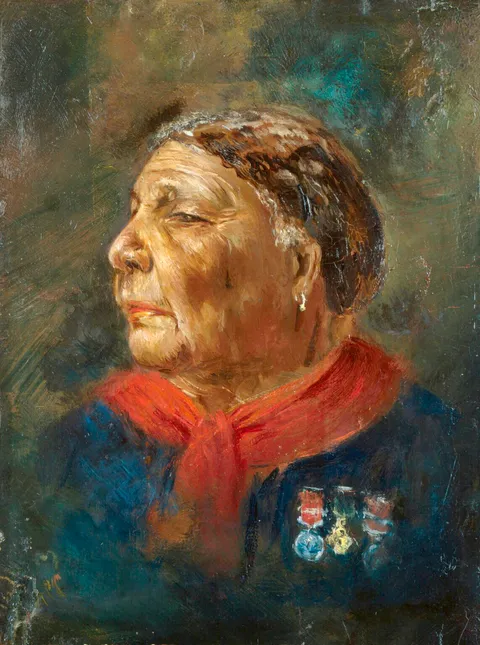
Nightingale set about food, laundry and cleaning, and her nightly rounds with a lamp made her “the Lady with the Lamp”. In the spring of 1855 a Sanitary Commission sent by the government repaired the drains and ventilation, and the death rate, which had passed 40%, is said to have fallen to around 2% within months — teaching Nightingale that hospital sanitation decided life and death. In the same war the Jamaican nurse Mary Seacole cared for soldiers near the front at her own expense.