The Ottoman Tulip Era
Also called: Lale Devri, Tulip Period
A period under Ahmed III and his grand vizier Ibrahim Pasha when the Ottoman Empire, at peace, took in European culture and its court culture flowered — named after a craze for tulips.
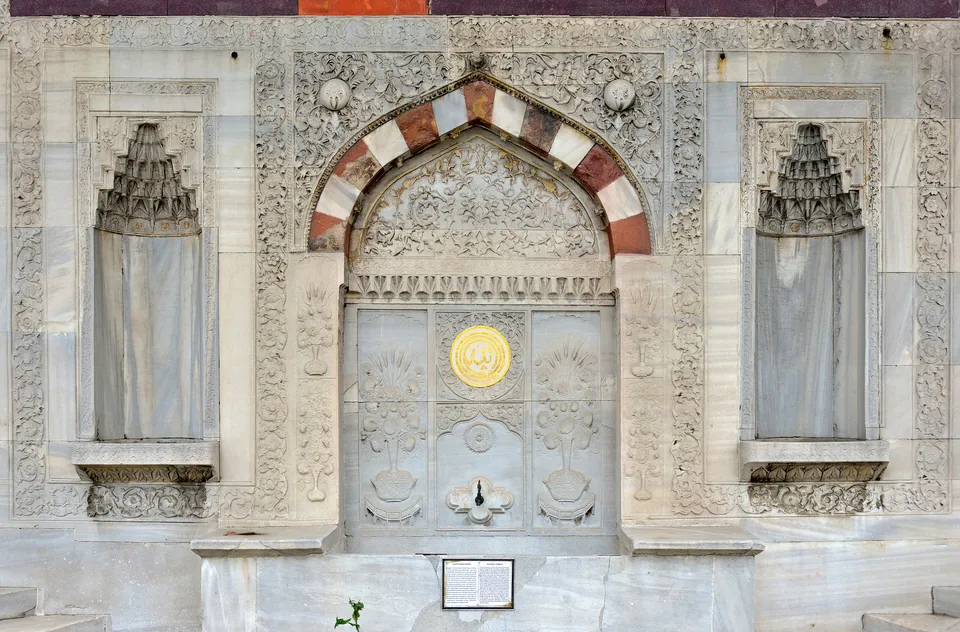
Wolfgang Moroder · CC BY-SA 3.0 · Source
After the Treaty of Passarowitz ended the war with Austria in 1718, the grand vizier Ibrahim Pasha kept the peace and had gardens and pleasure palaces such as Sadabad built in Istanbul, while tulip growing became the fashion among the elite. An envoy was sent to Paris to observe the French court, and in 1727 Ibrahim Müteferrika was licensed to open a printing press in Arabic script. But resentment of luxury and taxes, and defeats on the Iranian front, drove the people and the janissaries to rise in the Patrona Halil revolt of 1730: Ibrahim Pasha was killed and the sultan deposed. In Joseon at the same time Yeongjo came to the throne (1724) and pursued his policy of factional balance (tangpyeong).