World history1500 – 180035 events

Islamic Empires and the Atlantic World

Three centuries in which the Ottomans of Suleiman I, the Mughals of Akbar and the Safavids of Abbas I flourished and then faltered, while across the Atlantic the slave trade and colonies transformed the Americas, leading to American independence
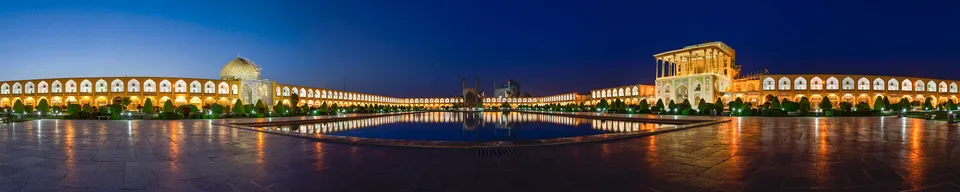
해 질 녘 이스파한의 낙셰자한 광장 — 사파비 왕조의 아바스 1세가 꾸민 수도의 중심

Original: Zahra gharaati Derivative work: Aristeas · CC BY-SA 4.0 · Source
At a glance

YearRegionEventKey point
16th–19th c.AtlanticSlave trade · triangular trade~12.5 million; Middle Passage
1520–1566OttomanSuleiman I’s golden ageKanuni; millets; janissaries
1542Latin AmericaEncomienda and Las CasasAbuse denounced; New Laws
1556–1605MughalReign of AkbarMansabdari; jizya abolished
1582RussiaYermak in SiberiaFurs → Pacific; clash on the Amur
1598SafavidAbbas I moves to Isfahan“Half the world”; Shia Iran
1607North AmericaJamestown foundedFirst English colony; tobacco; assembly
1620North AmericaMayflower CompactPuritans; self-government
1632–1653MughalTaj MahalShah Jahan; Indo-Islamic style
1658–1707MughalAurangzebJizya restored; Marathas, Sikhs
1683OttomanSecond siege of ViennaFailure → Holy League strikes back
1699OttomanTreaty of KarlowitzHungary lost; decline begins
1754–1763North AmericaFrench and Indian WarBritish win → colonial taxes
1757IndiaBattle of PlasseyClive; British rule of Bengal
1773North AmericaBoston Tea PartyAgainst Tea Act → Coercive Acts
1775–1783North AmericaAmerican Revolutionary WarLexington → Yorktown; Paris

The theme on the map

OpenFreeMap © OpenMapTiles © OpenStreetMap contributors

35 events in this theme

  1. Nanak of the Punjab taught a faith in one God that went beyond the forms of both Hinduism and Islam, founding Sikhism. It rejected caste and proclaimed equality.

  2. From the 16th to the 19th century European merchants bought more than twelve million Africans as slaves and shipped them to the Americas, in a triangular trade linking Europe, Africa and the Americas.

  3. Under Suleiman I the Ottoman Empire became a great empire spanning three continents. Called “the Lawgiver” for his codification of the laws, he held many peoples together by granting religious communities self-government.

  4. Babur, a descendant of Timur, defeated Ibrahim Lodi of the Delhi Sultanate at the Battle of Panipat and founded the Mughal Empire.

  5. The Ottoman sultan Suleiman I destroyed the Hungarian army at Mohács and three years later besieged Habsburg Vienna. The Ottomans had driven deep into Europe and reached the height of their power.

  6. Spain ruled the Americas through viceroyalties and the encomienda, which let conquerors exploit native labour. Las Casas denounced the abuse of the native peoples, and the New Laws of 1542 restricted the encomienda.

  7. A mountain of silver, Potosí, was found in the Andean highlands of Spanish Peru. American silver flowed into Europe and Asia, binding the world economy together.

  8. The Portuguese opened sugar plantations worked by African slaves in northeastern Brazil; by the early 17th century Brazil was the world’s largest producer of sugar.

  9. 1556 – 1605The Reign of Akbar

    The Mughal emperor Akbar united northern India and organised officials and army through the mansabdari system. By abolishing the jizya on non-Muslims and drawing Hindus into his service, he gave the empire its framework.

  10. The Cossack leader Yermak crossed the Urals and took the capital of the Khanate of Sibir — the start of Russia’s advance across Siberia to the Pacific.

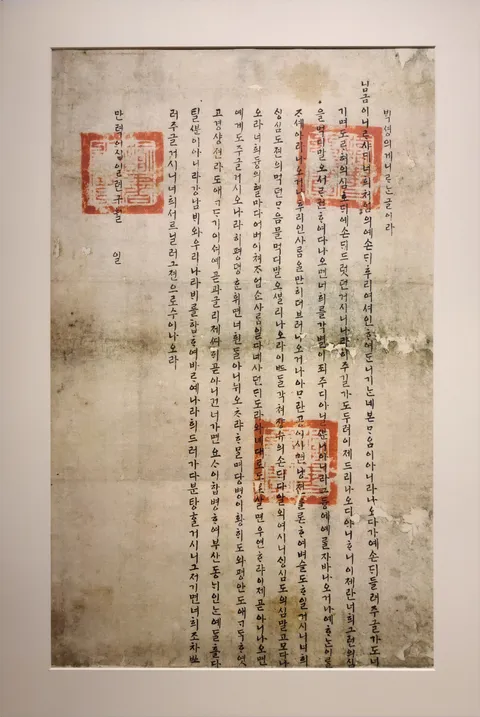
  11. 1592 – 1598Imjin War

    A seven-year war that began with Japan's invasion of Joseon in 1592 and lasted until 1598. Ming China sent troops, turning it into an East Asian international war.

  12. 1598 – 1629Abbas I and Isfahan

    The Safavid shah Abbas I reformed his army, drove back the Ottomans and the Portuguese and moved his capital to Isfahan, which grew so splendid it was called “half the world”.

  13. England in 1600 and the Netherlands in 1602 founded East India Companies holding monopolies of Asian trade. The Dutch company, the first joint-stock company with tradable shares, controlled the spice trade from its base at Batavia.

  14. Settlers sent by England’s Virginia Company founded Jamestown in Virginia — the first permanent English settlement in North America and the beginning of the Thirteen Colonies.

  15. The Frenchman Champlain founded Quebec on the St Lawrence River. It became the centre of New France, a colony built on the fur trade.

  16. Puritan “Pilgrims” fleeing persecution by the Church of England crossed to North America on the Mayflower and, before landing, pledged to form their own government and obey its laws.

  17. 1626 – 1664Dutch New Amsterdam

    The Dutch West India Company founded New Amsterdam on Manhattan as the centre of its New Netherland colony. The English seized it in 1664 and renamed it New York.

  18. The Mughal emperor Shah Jahan built the Taj Mahal, a white marble tomb at Agra, for his late wife Mumtaz Mahal — a masterpiece of Indo-Islamic architecture.

  19. Qing invaded Joseon. King Injo held out at Namhansanseong before surrendering at Samjeondo.

  20. 1653 – 1666Hamel’s shipwreck

    The Dutch ship Sperwer was wrecked on Jeju. Hendrick Hamel and his crew spent 13 years in Joseon before escaping, and his account introduced Korea to Europe.

  21. At Qing’s request, Joseon musketeers twice marched to the Amur region and defeated Russian forces moving south.

  22. Aurangzeb took the Mughal Empire to its greatest extent, but his strict Islamic policies, including the revival of the jizya, provoked Hindus and Sikhs. After his death the empire quickly fell apart.

  23. The Ottoman grand vizier Kara Mustafa besieged the Habsburg capital Vienna for two months with a huge army but was crushingly defeated by a relief army led by King John III Sobieski of Poland.

  24. In 1689 Qing China and Russia signed a treaty at Nerchinsk fixing their border along the Stanovoy Range and the Argun River — the first treaty the Qing concluded with a European state on equal terms.

  25. Defeated by the Holy League, the Ottoman Empire ceded Hungary, Transylvania and other lands to Austria — its first great loss of territory by treaty, often taken as the start of its decline.

  26. A period under Ahmed III and his grand vizier Ibrahim Pasha when the Ottoman Empire, at peace, took in European culture and its court culture flowered — named after a craze for tulips.

  27. A war in North America between Britain and France over the Ohio valley, with most native peoples on the French side. Britain won, taking Canada and the lands east of the Mississippi.

  28. 1756 – 1763Seven Years’ War

    In 1756–1763 Austria, seeking to regain Silesia, allied with France and Russia against Prussia, while Britain and France fought for colonies in North America and India; Britain defeated France and won colonial supremacy.

  29. Robert Clive of the British East India Company defeated Siraj ud-Daulah, the French-backed Nawab of Bengal, at Plassey — the starting point of British rule over Bengal and then India.

  30. When Britain gave the East India Company a monopoly on selling tea in the colonies, Boston colonists disguised as Native Americans dumped the tea from ships in the harbour into the sea.

  31. The war between the Thirteen Colonies and Britain that began with the clashes at Lexington and Concord. Aided by France and Spain, the colonists won at Yorktown, and the Treaty of Paris of 1783 recognised American independence.

  32. Delegates of the thirteen colonies, meeting in Philadelphia, declared independence from Great Britain.

  33. Túpac Amaru II, who claimed descent from the Inca rulers, led a great indigenous uprising in Peru against Spanish exploitation. It was crushed, but it was the largest revolt of the colonial era.

  34. 1791 – 1804Haitian Revolution

    Enslaved Africans in French Saint-Domingue rose up, destroyed slavery and won independence as Haiti in 1804 — the first state founded by a slave revolt and the first independent country in Latin America.

  35. Jeongjo built a new fortress at Suwon, where he had moved his father’s tomb. Jeong Yak-yong helped design it and introduced a crane; the work was recorded in a detailed royal protocol.

Key people

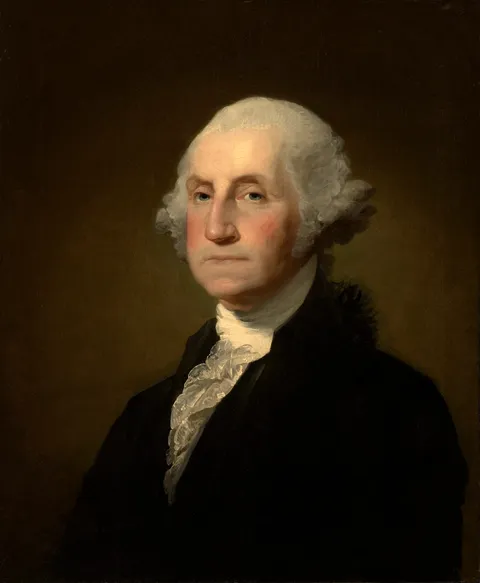
  • George Washington1732 – 1799

    Commander of the Continental Army and first US president

  • Suleiman I1494 – 1566

    Ottoman sultan (r. 1520–1566) who crushed Hungary, besieged Vienna and dominated the Mediterranean at the height of the empire; known as “the Lawgiver”

  • Hyojong1619 – 1659

    Seventeenth king of Joseon; a former hostage in Qing who planned a northern campaign and sent troops against Russia

  • Guru Nanak1469 – 1539

    First Guru of Sikhism, who taught devotion to one God and human equality and criticised caste and empty ritual

  • Mimar Sinan1588

    Chief court architect of the Ottoman Empire (c. 1490–1588), who built the Süleymaniye and Selimiye mosques among hundreds of buildings

  • Babur1483 – 1530

    Founder of the Mughal Empire (r. 1526–1530), a descendant of Timur who overthrew the Delhi Sultanate at the Battle of Panipat

  • Ibrahim Lodi1526

    Last sultan of Delhi of the Lodi dynasty (r. 1517–1526), killed fighting Babur at the Battle of Panipat

  • Bartolomé de las Casas1484 – 1566

    Spanish Dominican friar and bishop who denounced the abuse of the native peoples of the Americas and defended their rights

  • Akbar1542 – 1605

    Third Mughal emperor (r. 1556–1605), who united northern India and built the empire’s framework with the mansabdari system and religious tolerance

  • Yermak Timofeyevich1585

    Cossack leader who took the capital of the Khanate of Sibir in 1582, opening the way for Russia’s advance into Siberia

  • King Seonjo1552 – 1608

    Fourteenth king of Joseon; fled to Uiju and asked Ming for help

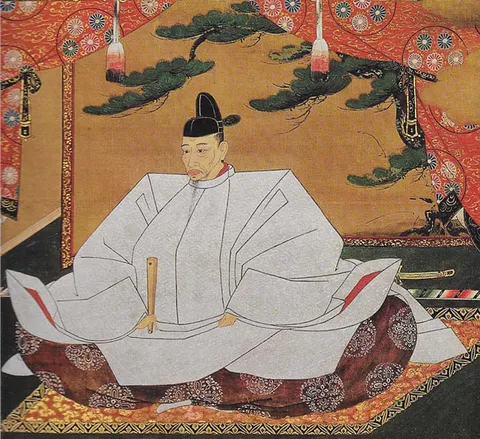
  • Toyotomi Hideyoshi1537 – 1598

    Unified Japan and launched the invasion of Korea