Missionary Journeys of Paul
Also called: Paul’s missionary journeys, Journeys of Saint Paul
Around 46–57 Paul set out from Antioch and travelled the cities of Asia Minor and Greece, preaching to non-Jews and founding churches. The letters he sent them are the oldest writings in the New Testament.
Furkan Akkurt · CC BY-SA 4.0 · Source
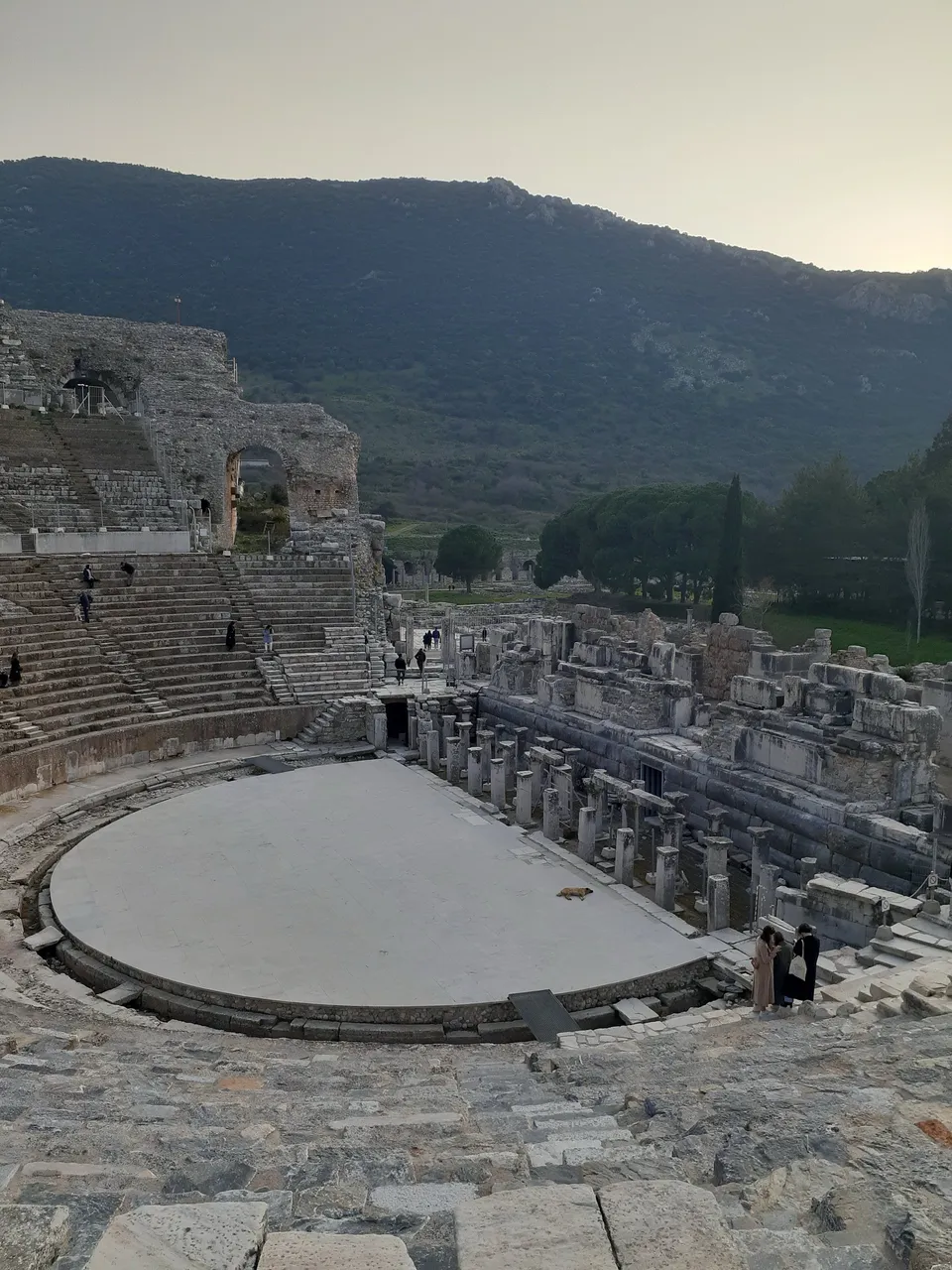
Antioch in Syria was where the followers of Jesus were first called “Christians”, and where the first church to welcome non-Jewish believers arose. According to the Acts of the Apostles, Paul set out from there on three missionary journeys. On the first (c. 46–48) he travelled with Barnabas through Cyprus and southern Asia Minor; around 49 the Council of Jerusalem agreed not to require circumcision and the Jewish law of Gentile converts. On the second (c. 49–52) he crossed into Europe for the first time, passing through Philippi, Thessalonica and Athens to Corinth, where he stayed eighteen months; on the third (c. 53–57) he stayed more than two years at Ephesus.
Roman roads and sea lanes, and Greek, understood throughout the empire, let Paul travel far and found small churches city by city. After he moved on he kept teaching them by letter. Scholars broadly agree that seven letters are Paul’s own — 1 Thessalonians (c. 50), Galatians, 1 and 2 Corinthians, Romans, Philippians and Philemon — and these, written before the Gospels, are the oldest texts in the New Testament.
Acts says Paul was brought before Gallio, governor of Achaea, at Corinth; an inscription found at Delphi dates Gallio’s term to about 51–52, a fixed point for Paul’s chronology. The scheme of three journeys, however, is Acts’ own arrangement, and scholars trace his routes by comparing it with the letters. Returning to Jerusalem around 57, Paul was arrested and held at Caesarea, and as a Roman citizen appealed to the emperor and was sent to Rome.