Great Fire of Rome and Nero’s Persecution of Christians
Also called: Great Fire of Rome, Neronian persecution
In July 64 a great fire burned most of Rome. When rumour said that Nero had started it, he blamed the Christians and had them cruelly put to death, the first recorded persecution of Christians by the Roman state.
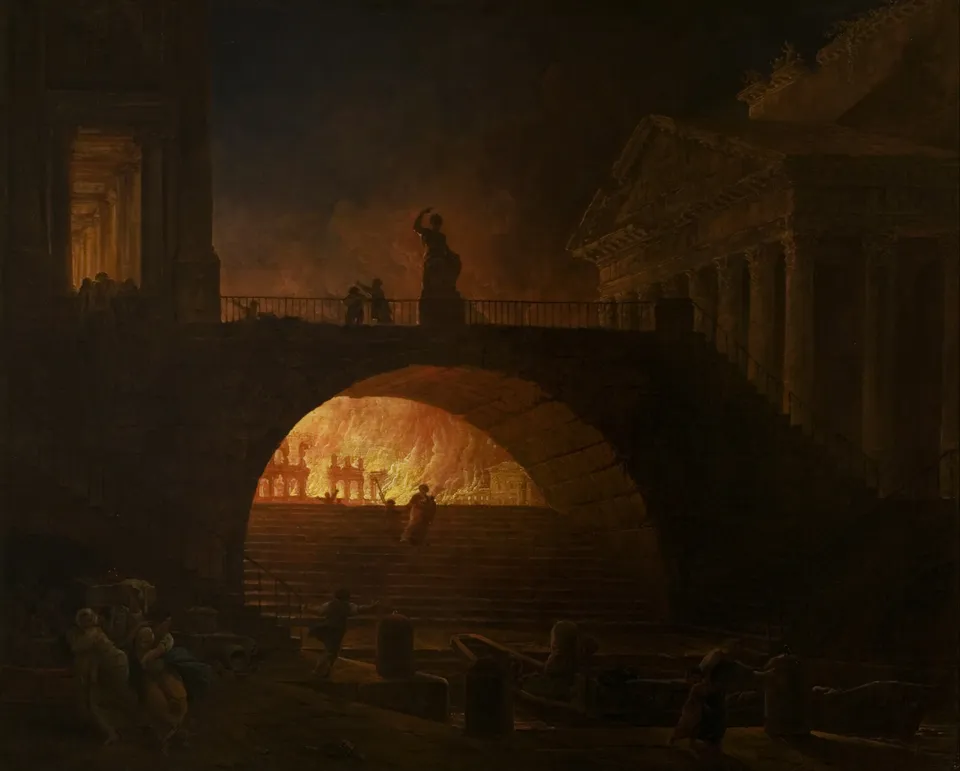
Hubert Robert · Public domain · Source
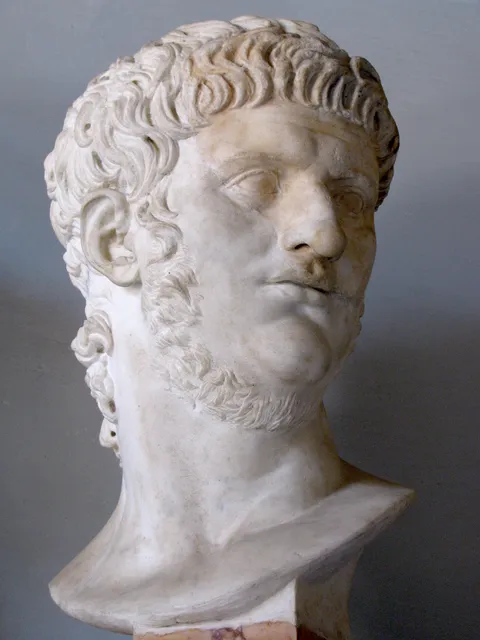
On 19 July 64 a fire broke out in shops around the Circus Maximus and, fanned by the wind, spread for more than six days. Tacitus wrote that of Rome’s fourteen districts three were destroyed completely and seven badly damaged. Nero, who was at Antium, returned to relieve the homeless and reformed the building rules, but when he built the lavish Domus Aurea (Golden House) on the burned ground a rumour spread that he had set the fire on purpose. The story that he sang while watching Rome burn also dates from this time.
Tacitus records in his Annals that to silence the rumour Nero fastened the blame on the people “called Christians”. Those arrested were dressed in animal skins and torn to death by dogs or crucified, and at night they were burned as torches in Nero’s gardens. Suetonius too notes that Nero punished the Christians. The persecution was confined to the city of Rome, but it is the first record of the Roman state singling out Christians.
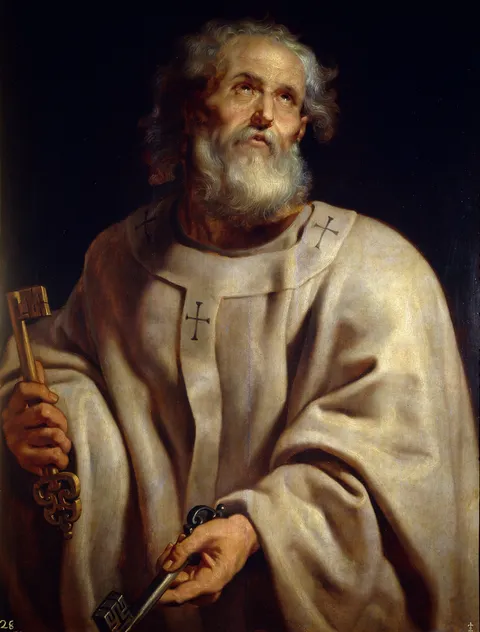
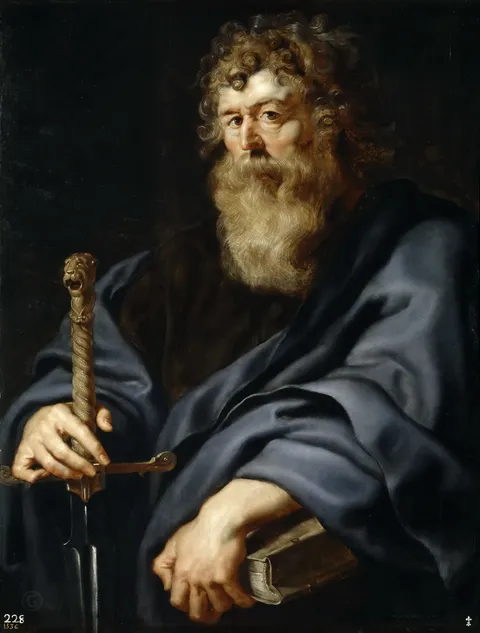
Peter and Paul are said to have been martyred in Rome around this time. The First Letter of Clement, from the end of the 1st century, is the first to mention their martyrdom; later tradition says that Peter was crucified upside down on the Vatican hill and Paul beheaded on the road to Ostia. St Peter’s Basilica stands over the place held to be Peter’s tomb. Nero took his own life amid revolt in 68, and for Christians he long remained the very image of the persecutor.