PoliticsJanuary 1958

Progressive Party Incident

Cho Bong-am of the Progressive Party, which called for peaceful unification, was executed on espionage charges and the party dissolved; he was acquitted on retrial in 2011.
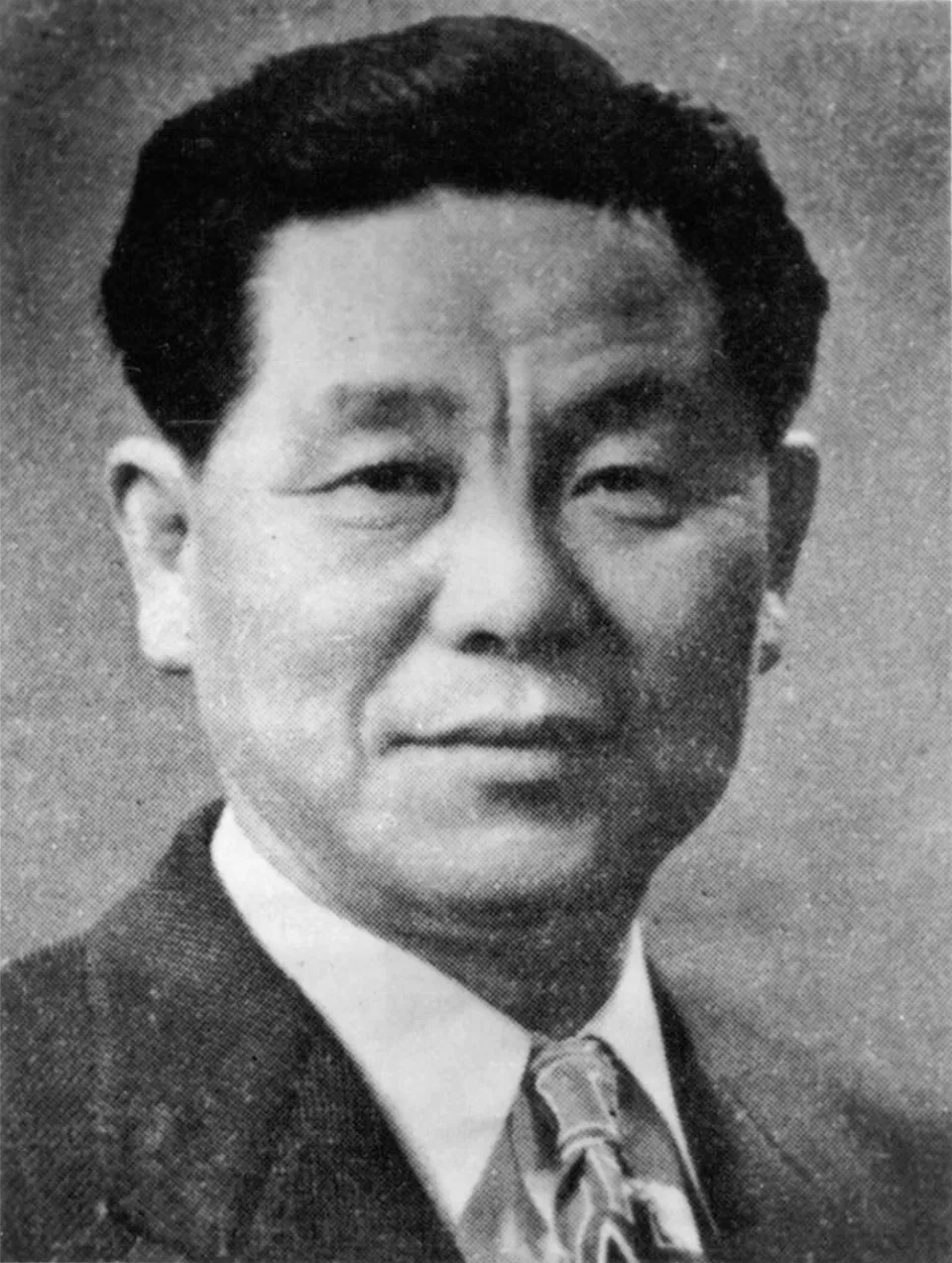
Cho Bong-am, leader of the Progressive Party, as the first Minister of Agriculture, 1948

Ministry for Food, Agriculture, Forestry and Fisheries 농수산부 · Public domain · Source

After his strong showing in the 1956 presidential election, Cho Bong-am founded the Progressive Party that year and advocated peaceful unification. In January 1958 the government arrested party leaders under the National Security Act and cancelled the party’s registration. Cho was executed in July 1959; the Supreme Court acquitted him on retrial in 2011.

The Rhee government also revised the National Security Act in 1958 (the 24 December political crisis) and closed the critical Kyunghyang Shinmun in 1959.

The map in 1958

OpenFreeMap © OpenMapTiles © OpenStreetMap contributors

States and rulers at the time
South Korea — President Syngman Rhee

People

  • Cho Bong-am1898 – 1959

    related figure · First Minister of Agriculture; ran for president in 1956 and founded the Progressive Party calling for peaceful unification. Executed in 1959 in the Progressive Party case, acquitted on retrial in 2011

  • Syngman Rhee1875 – 1965

    related figure · First President of the Provisional Government, who worked through diplomacy in the US; later first President of the Republic of Korea

Before and after

Related works

  • Documentary: Now It Can Be Told Episode 3: Cho Bong-am and the Progressive Party IncidentDocumentary · 1999 · Park No-eop · MBC

Themes that include this event

  • Changing Unification Policies1948 – 2018

    From “march north” to the Panmunjom Declaration — inter-Korean relations from confrontation to dialogue, through joint statements and agreements to summits (up to 2018)