April Revolution
Protests by students and citizens against the rigged election of 15 March 1960 peaked on 19 April and brought down the Syngman Rhee government.
한국정책방송원 · KOGL Type 1 · Source
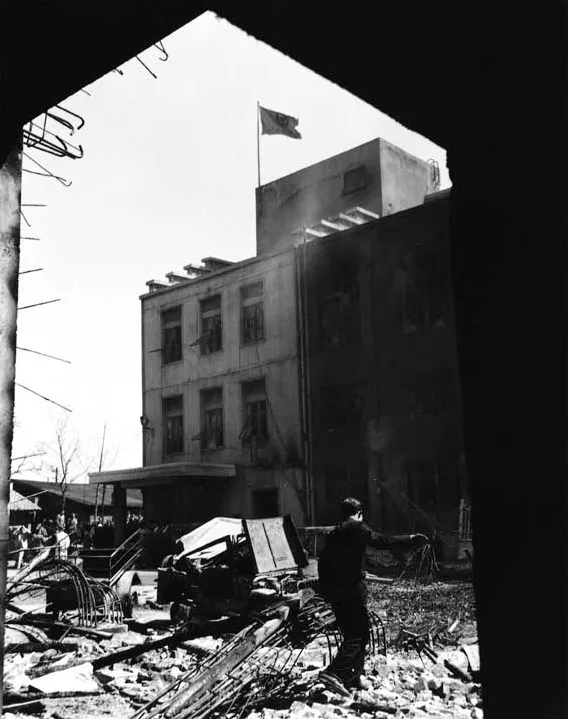
Anger over Kim Ju-yeol’s death was mounting when, on 18 April, Korea University students returning from a protest were attacked by political thugs. On 19 April tens of thousands of university and high-school students and citizens in Seoul marched on Gyeongmudae, the presidential residence; police opened fire, causing many casualties, and the government declared martial law in Seoul and other major cities.
On 25 April university professors issued a statement and marched under the banner "Repay the students’ blood", reigniting the protests. On 26 April Syngman Rhee announced his resignation, and Lee Ki-poong’s family took their own lives. The caretaker government of Heo Jeong amended the constitution to a parliamentary cabinet system with two chambers, and after the 29 July election the Chang Myon cabinet took office.
The April Revolution was a democratic revolution in which students and citizens brought down a dictatorship. The preamble of the current constitution pledges to uphold "the democratic ideals of the April Nineteenth Uprising, which rose against injustice".