PoliticsDecember 1929 (Lahore session) · 26 January 1930 (Independence Day)

Purna Swaraj Resolution

Also called: Lahore Resolution of the Congress (1929), Declaration of Purna Swaraj

At its Lahore session the Indian National Congress resolved to seek complete independence (purna swaraj) rather than dominion status, and proclaimed 26 January 1930 Independence Day.
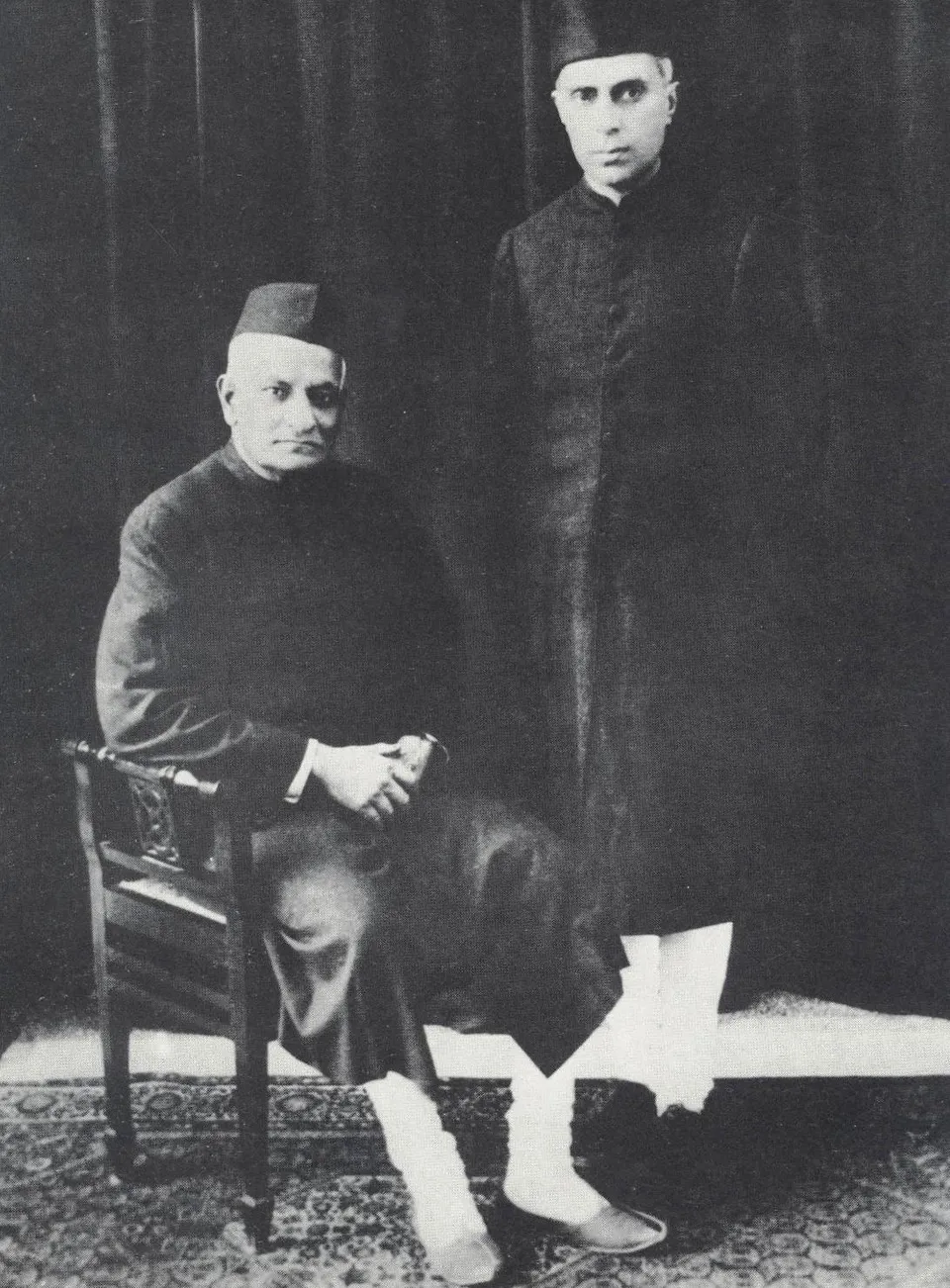
Jawaharlal Nehru, president-elect of the Lahore session, with his father Motilal Nehru, 1929

Unknown author · Public domain · Source

In 1927 Britain sent the Simon Commission to review India’s system of government; because not one of its members was Indian, it met a nationwide boycott. The Congress demanded dominion status within a year, but Britain did not agree.

The Lahore session of December 1929 elected the young Nehru as president and changed the goal from self-government to "purna swaraj", complete independence. On the night of 31 December Nehru raised the flag of independence on the bank of the Ravi, and on 26 January 1930 the declaration of independence was read out across the country. The Congress entrusted Gandhi with a civil disobedience campaign, which led to the Salt March. The date 26 January was chosen for the coming into force of India’s constitution in 1950 and is today Republic Day.

The map in 1929

OpenFreeMap © OpenMapTiles © OpenStreetMap contributors

States at the time
British Raj · ruling power

People

  • Jawaharlal Nehru1889 – 1964

    leader · Indian National Congress leader who carried the call for complete independence at Lahore in 1929 and became independent India’s first prime minister (1947–1964)

  • Mahatma Gandhi1869 – 1948

    participant · Leader of the Indian independence movement who resisted British rule through non-violent civil disobedience grounded in satyagraha ("holding to truth")

Before and after

Later
1930 Salt March

Themes that include this event

  • National Movements in Asia and Africa1915 – 1948

    From the Hussein–McMahon correspondence to the founding of Israel — three decades in which India, West Asia, Southeast Asia and Africa, swept up in the tide of self-determination after the First World War, pressed toward independence and modernization