Railway Protection Movement
Also called: Sichuan Railway Protection Movement, Chengdu Massacre
In May 1911 the Qing nationalised privately funded railways to pledge them for a foreign loan, and the people of Sichuan rose to “protect the railway”. When the viceroy fired on protesters in Chengdu on 7 September, armed revolt spread across the province.
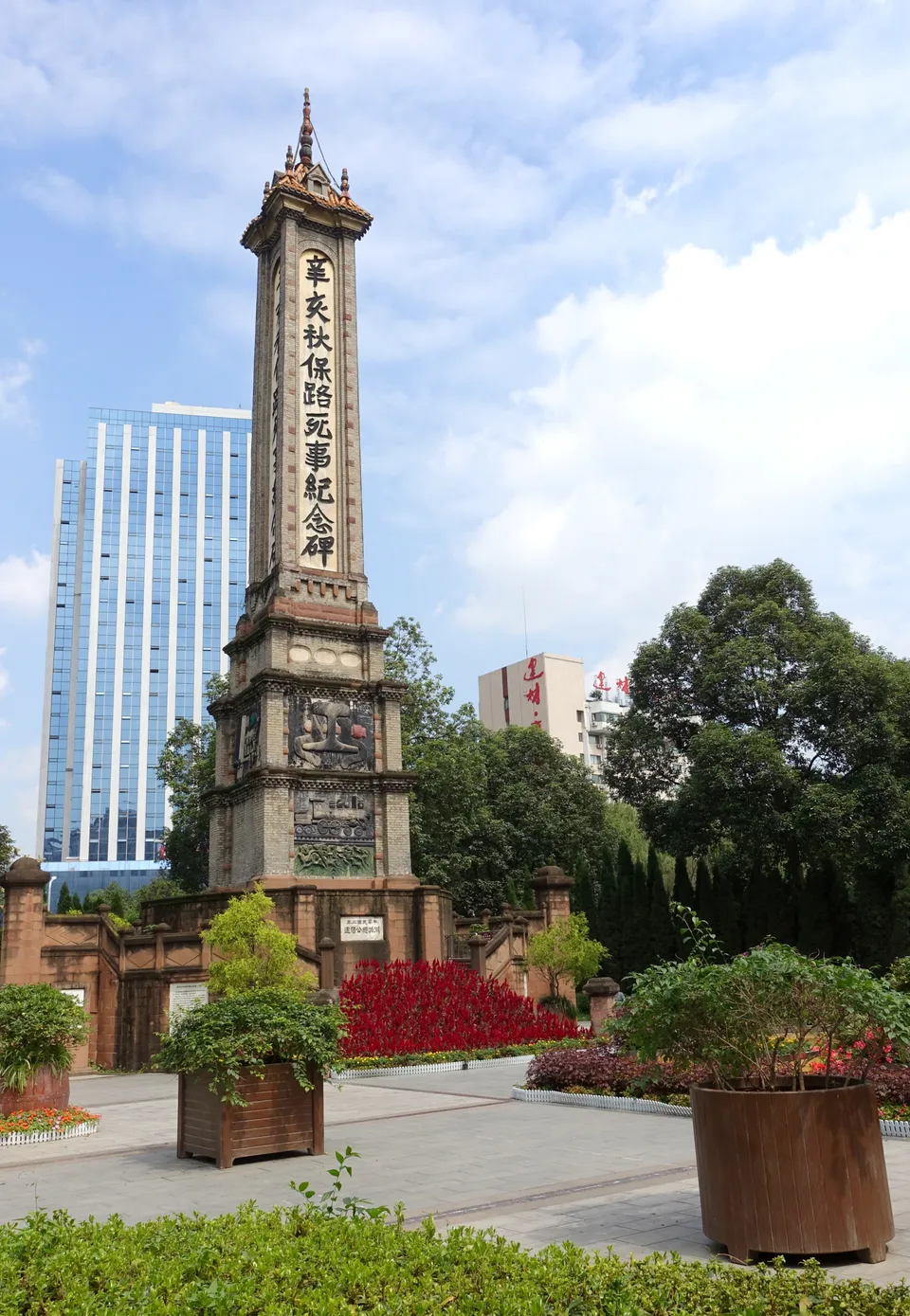
In May 1911 the Qing formed a cabinet made up mostly of imperial princes, and two days later announced the nationalisation of the trunk railways. To fill a treasury emptied by the Boxer indemnity and the New Policies, it borrowed £6 million from a four-power banking consortium of Britain, France, Germany and the United States, pledging the Huguang (Hubei–Hunan) railways — lines that the people of Sichuan, Hubei, Hunan and Guangdong had been building with shares they bought themselves.
In Sichuan even landlords and peasants had paid for shares like a tax, and the government meant to refund little of it. In June a Railway Protection League was formed in Chengdu; students struck and merchants shut their shops. On 7 September the viceroy Zhao Erfeng arrested its leaders and fired on the crowd, killing dozens (the Chengdu Massacre).
As armed risings broke out across Sichuan, the Qing sent part of the Hubei New Army there — leaving Wuchang thinly held, and it was there that the revolution broke out a month later.