China · History1894 – 191615 events

The 1911 Revolution

From the Revive China Society to the death of Yuan Shikai — twenty-two years in which, amid debt and failed reform, revolutionaries and the New Army brought down the Qing and founded Asia’s first republic, which passed through dictatorship and a short-lived monarchy into the age of the warlords
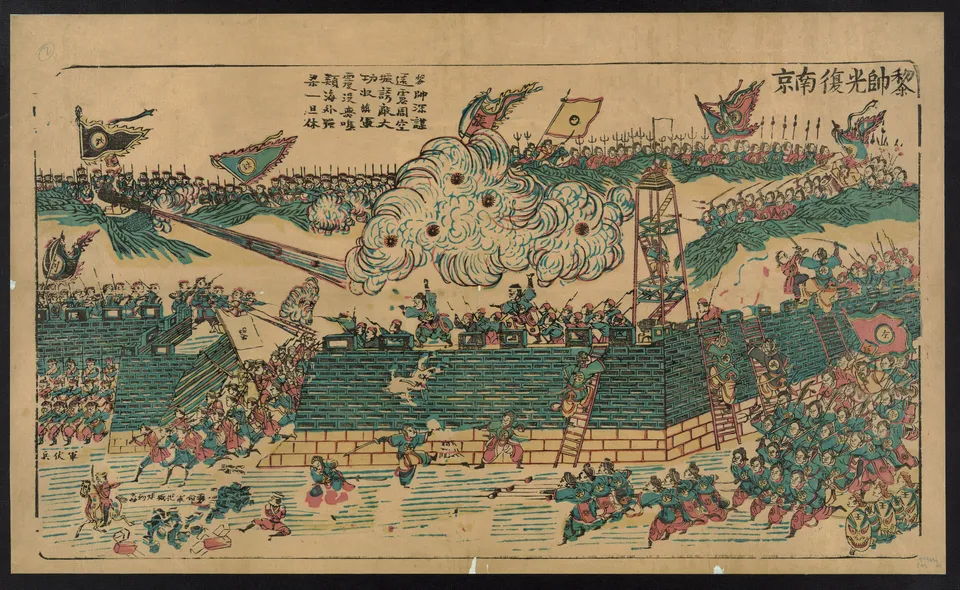
신해혁명 때 난징을 되찾는 혁명군을 그린 일본 목판화 — 1911년

Japanese fine prints, pre-1915 · Public domain · Source
The theme on the map

OpenFreeMap © OpenMapTiles © OpenStreetMap contributors

15 events in this theme

  1. In November 1894 Sun Yat-sen founded his first revolutionary group, the Revive China Society, with overseas Chinese in Honolulu. A rising planned in Guangzhou the next year was betrayed, and Sun spent sixteen years in exile.

  2. After the Boxer Protocol the Qing launched the New Policies from 1901, bringing in modern armies, schools and offices. In 1905 it abolished the 1,300-year-old civil service examinations, and many of the young people it sent to study in Japan became revolutionaries.

  3. 1904 – 1905Russo-Japanese War

    Japan and Russia fought over Korea and Manchuria. Victorious Japan won recognition of its exclusive control over Korea in the Treaty of Portsmouth.

  4. On 20 August 1905 revolutionary groups including Sun Yat-sen’s Revive China Society and Huang Xing’s China Arise Society joined in Tokyo to form the Tongmenghui (Chinese Revolutionary Alliance), calling for the overthrow of the Manchu dynasty and a republic under the Three Principles of nationalism, democracy and the people’s livelihood.

  5. On 14 November 1908 the captive Guangxu Emperor died, and the next day Cixi. The two-year-old Puyi took the throne as the Xuantong Emperor with his father Zaifeng as regent, who the next year dismissed Yuan Shikai.

  6. On 27 April 1911 a Tongmenghui suicide squad led by Huang Xing stormed the viceroy’s yamen in Guangzhou but was crushed within a day. The dead were buried at Huanghuagang as the “72 Martyrs”, and their sacrifice fired the revolution half a year later.

  7. In May 1911 the Qing nationalised privately funded railways to pledge them for a foreign loan, and the people of Sichuan rose to “protect the railway”. When the viceroy fired on protesters in Chengdu on 7 September, armed revolt spread across the province.

  8. On the night of 10 October 1911 the engineers of the New Army in Wuchang rose, took the city the next morning and set up a Hubei military government under the brigade commander Li Yuanhong — the start of the 1911 Revolution.

  9. Beginning with the Wuchang Uprising, revolution spread until the Republic of China was founded and the Qing fell. Over two thousand years of imperial rule ended, and China’s first republic was born.

  10. From late October to late November 1911 Yuan Shikai’s Beiyang Army, recalled by the Qing, retook Hankou and Hanyang. But meanwhile the provinces of the south and west broke away from the Qing one after another, and on 2 December the revolutionaries took Nanjing.

  11. On 12 February 1912 Empress Dowager Longyu issued the abdication edict in the name of the six-year-old Xuantong Emperor, Puyi, ending the 268-year Qing dynasty and more than 2,000 years of imperial rule. The next day Sun Yat-sen stepped down and Yuan Shikai became provisional president.

  12. On 20 March 1913 Song Jiaoren, whose Kuomintang had won China’s first parliamentary election, was shot at Shanghai station and died two days later. When Yuan Shikai took a foreign loan without parliament’s consent, Sun Yat-sen and others launched the Second Revolution in July, which collapsed within two months.

  13. Having taken over the provisional presidency, Yuan Shikai crushed the Nationalist Party and tried to make himself emperor; after his failure and death China fell into an age of rival regional warlords.

  14. Having seized Germany’s leasehold in Shandong during the First World War, Japan presented Yuan Shikai’s government with twenty-one demands for rights in Shandong, southern Manchuria and elsewhere, and forced it to accept most of them.

  15. When Yuan Shikai moved to take the throne in December 1915, Cai E and others raised the National Protection Army in Yunnan on the 25th. As southern provinces declared independence one after another, Yuan gave up the monarchy after 83 days, and died of illness on 6 June 1916.

Key people

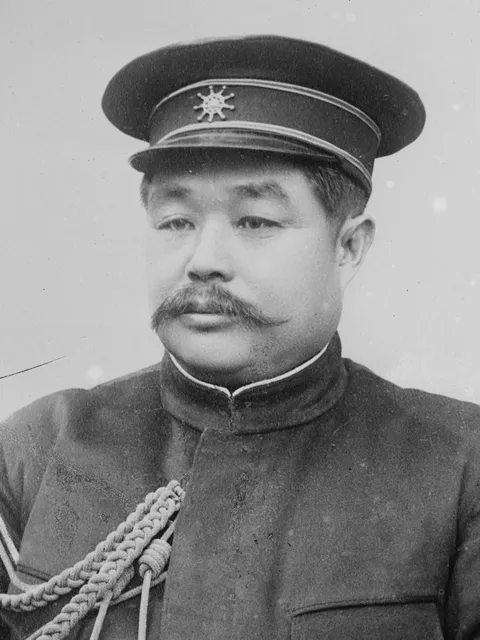
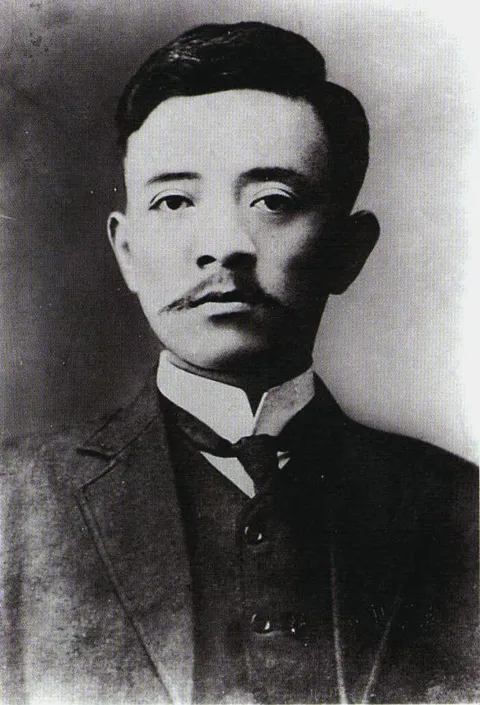
  • Yuan Shikai1859 – 1916

    Late-Qing master of the Beiyang Army who meddled in Joseon affairs after the 1882 Imo Incident; in the 1911 Revolution he secured the emperor’s abdication and became president of the Republic, but his bid to make himself emperor failed

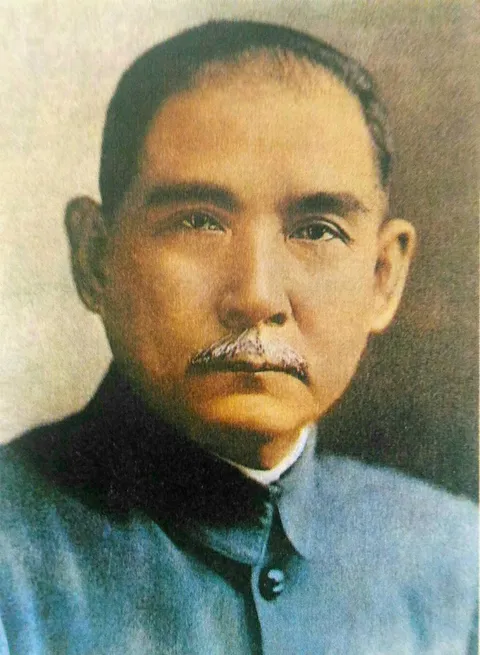
  • Sun Yat-sen1866 – 1925

    Leader of the Chinese revolution who led the Tongmenghui under the Three Principles of the People and became provisional president of the Republic of China after the Xinhai Revolution

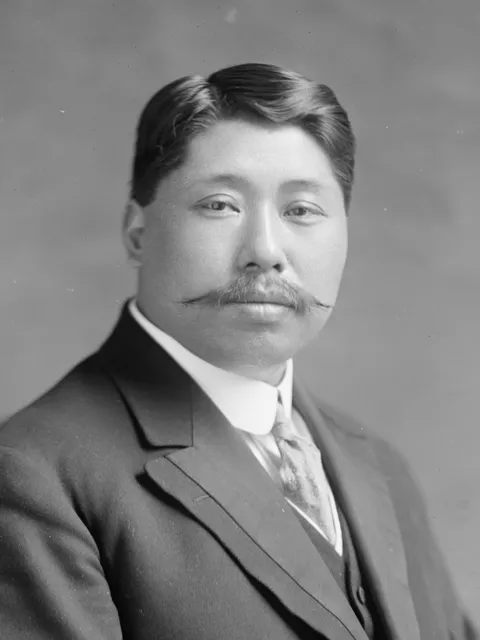
  • Huang Xing1874 – 1916

    Revolutionary from Hunan who founded the China Arise Society and led the Tongmenghui with Sun Yat-sen, commanding the 1911 Guangzhou uprising and the defence of Hanyang

  • Li Yuanhong1864 – 1928

    Brigade commander of the Hubei New Army who was pushed by the rebels into heading their military government after the Wuchang uprising of 1911, later vice-president and president of the Republic

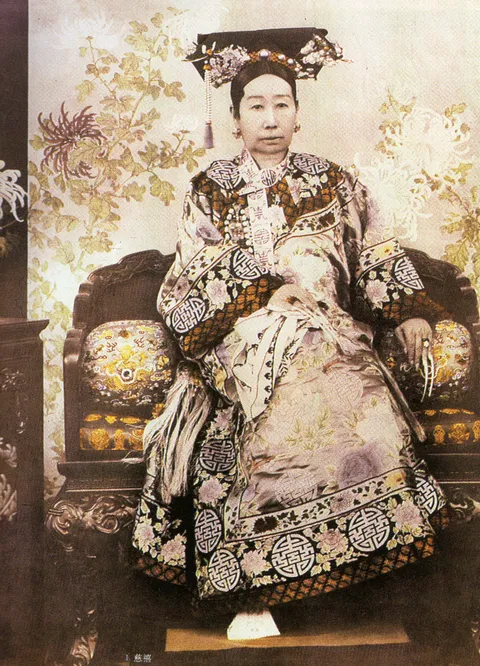
  • Empress Dowager Cixi1835 – 1908

    Consort of the Xianfeng Emperor and mother of the Tongzhi Emperor who held real power in Qing China for nearly half a century and crushed the 1898 reforms

  • Song Jiaoren1882 – 1913

    Revolutionary from Hunan who founded the Kuomintang, won China’s first parliamentary election in 1913 and called for cabinet government, but was shot at Shanghai station that March

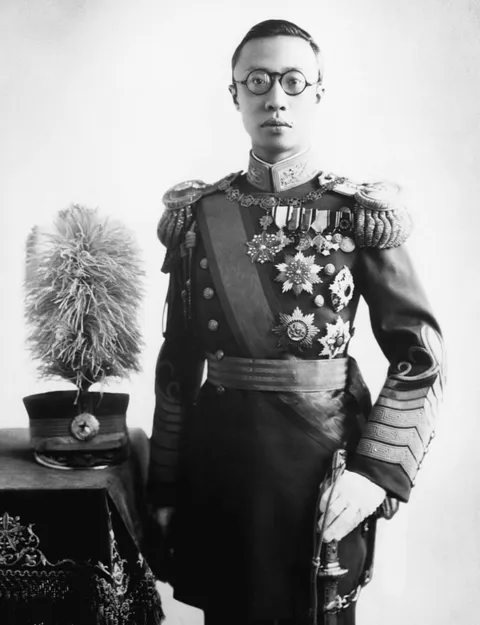
  • Puyi1906 – 1967

    Last emperor of the Qing as the Xuantong Emperor (r. 1908–1912), later installed by Japan as chief executive (1932) and emperor (1934–1945) of Manchukuo

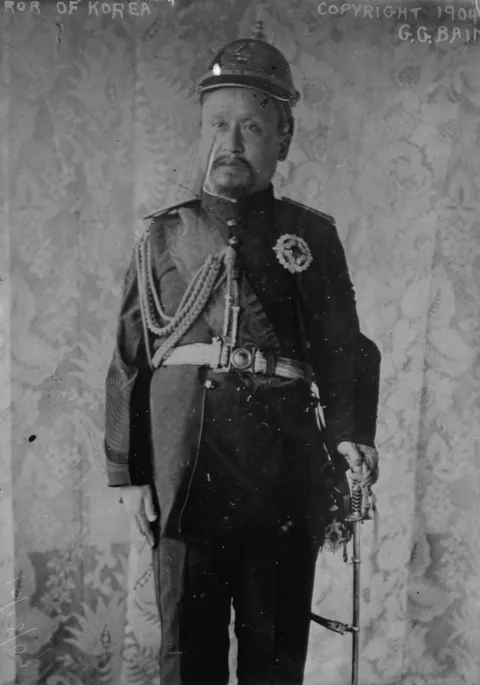
  • Gojong1852 – 1919

    Twenty-sixth king of Joseon and first emperor of the Korean Empire

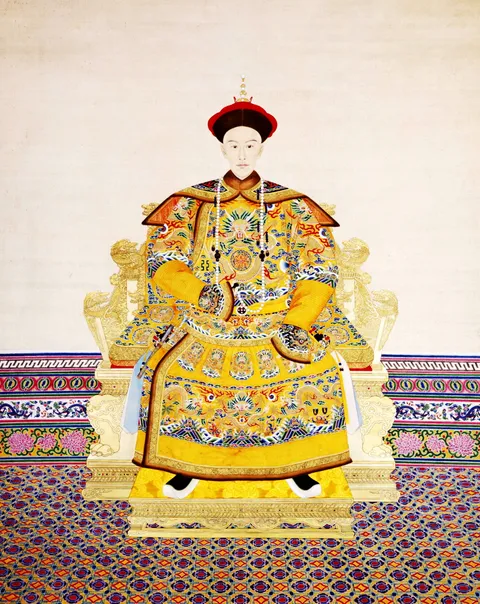
  • Guangxu Emperor1871 – 1908

    Eleventh Qing emperor (r. 1875–1908) who backed Kang Youwei’s reforms but was confined after the coup of 1898

  • Zaifeng1883 – 1951

    Younger brother of the Guangxu Emperor and father of the last emperor Puyi (Prince Chun), regent from 1908, who dismissed Yuan Shikai and formed the “royal cabinet”

  • Cai E1882 – 1916

    Soldier from Hunan who led the 1911 rising in Yunnan and, when Yuan Shikai moved to make himself emperor in 1915, slipped back to Yunnan to raise the National Protection Army