Conflict27 April 1911

Huanghuagang Uprising

Also called: Second Guangzhou Uprising, Yellow Flower Mound Uprising

On 27 April 1911 a Tongmenghui suicide squad led by Huang Xing stormed the viceroy’s yamen in Guangzhou but was crushed within a day. The dead were buried at Huanghuagang as the “72 Martyrs”, and their sacrifice fired the revolution half a year later.
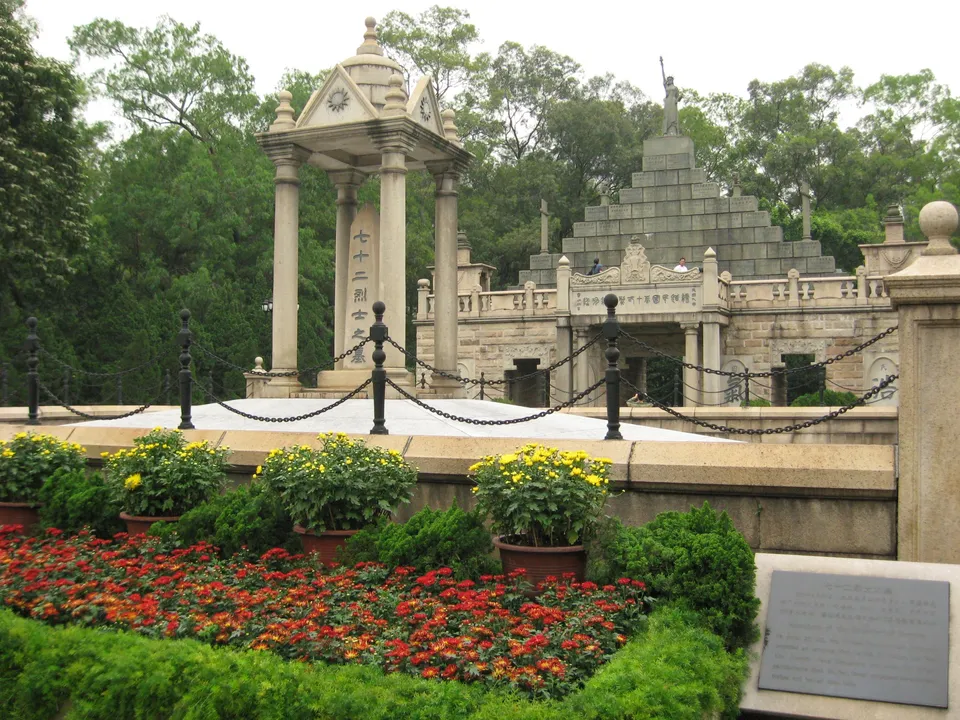
The Mausoleum of the 72 Martyrs at Huanghuagang, Guangzhou

Pedist · CC BY-SA 3.0 · Source

After repeated failures the Tongmenghui prepared its largest rising yet in Guangzhou in spring 1911, raising money from overseas Chinese while young volunteers slipped into the city from Japan and Southeast Asia. The plot leaked and the date was put off again and again, until on 27 April (the 29th day of the third lunar month) Huang Xing led some 100 men against the viceroy’s yamen.

The viceroy escaped and the squad was destroyed in street fighting with Qing troops; Huang Xing lost two fingers and barely got away. The scattered bodies were gathered and buried at Huanghuagang north of the city — first counted as 72, hence the “72 Martyrs of Huanghuagang”. The farewell letter of one of them, Lin Juemin, to his wife became widely read.
The map in 1911

OpenFreeMap © OpenMapTiles © OpenStreetMap contributors

States and rulers at the time
Qing — Xuantong Emperor (Puyi)
Places
Guangzhou, Huanghuagang

People

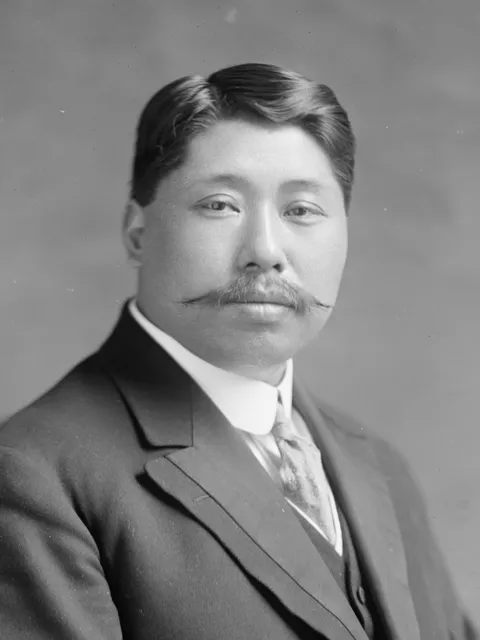
  • Huang Xing1874 – 1916

    commander · Revolutionary from Hunan who founded the China Arise Society and led the Tongmenghui with Sun Yat-sen, commanding the 1911 Guangzhou uprising and the defence of Hanyang

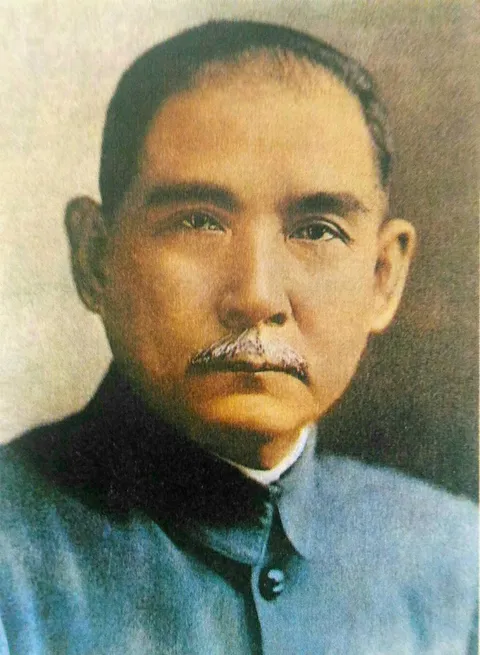
  • Sun Yat-sen1866 – 1925

    related figure · Leader of the Chinese revolution who led the Tongmenghui under the Three Principles of the People and became provisional president of the Republic of China after the Xinhai Revolution

Before and after

Themes that include this event

  • The 1911 Revolution1894 – 1916

    From the Revive China Society to the death of Yuan Shikai — twenty-two years in which, amid debt and failed reform, revolutionaries and the New Army brought down the Qing and founded Asia’s first republic, which passed through dictatorship and a short-lived monarchy into the age of the warlords