ScienceAugust 1441(Lunar)

Rain gauge

Joseon made the cheugugi rain gauge and installed it in the capital and every county to record rainfall systematically.
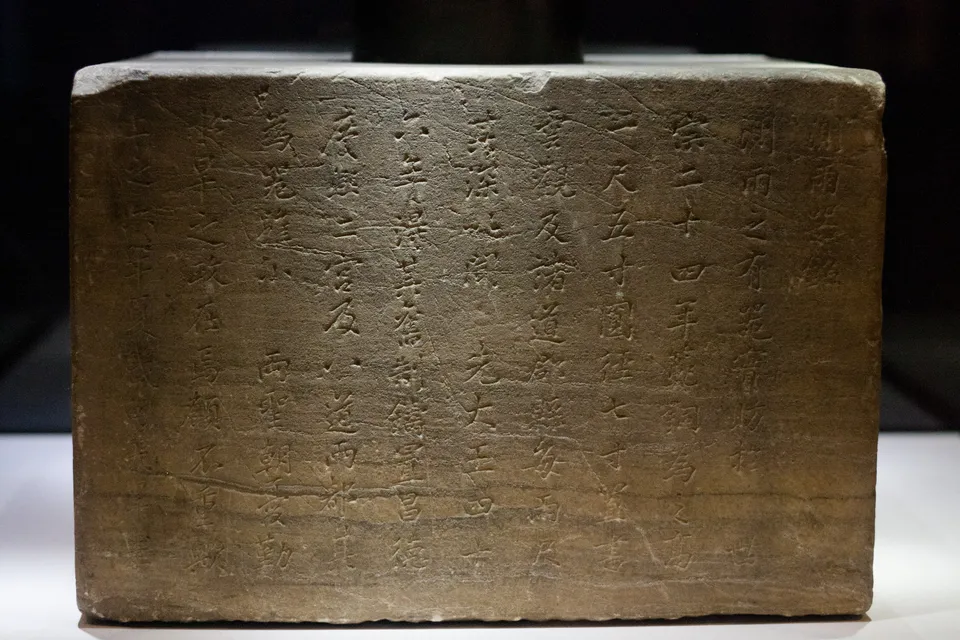
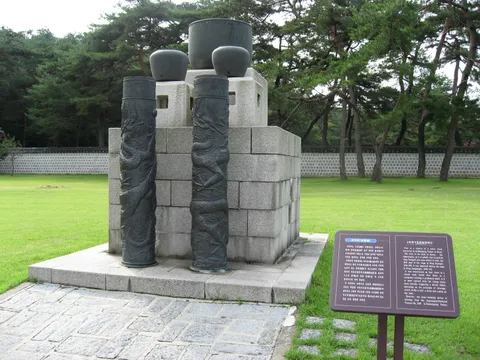
Rain gauge pedestal from Changdeokgung, 1782, National Palace Museum of Korea

Eggmoon · CC BY-SA 3.0 · Source

Before this, rainfall was gauged by how deep it had soaked into the soil, which varied with the ground and was unreliable. The crown prince, later King Munjong, worked on measuring rain caught in a vessel. In the fifth month of 1442 a standard size was fixed and gauges were placed at the Bureau of Astronomy in the capital and at provincial and county offices; after each rain the depth was measured with a standard ruler (jucheok) and reported. River levels were read from the Supyo gauge on the Cheonggyecheon. It is regarded as the world’s first rain gauge; the one that survives was made in 1837 for the Gongju provincial office.

The map in 1441

OpenFreeMap © OpenMapTiles © OpenStreetMap contributors

States and rulers at the time
Joseon — Sejong

People

  • Sejong the Great1397 – 1450

    leader · Fourth king of Joseon, creator of Hangul, patron of science and of the northern frontier

  • Jang Yeong-sil

    related figure · Scientist of humble birth who built the self-striking water clock for Sejong and helped make astronomical instruments

Before and after

Themes that include this event

  • Science and Technology HeritageAD 633 – 1861

    From Cheomseongdae to the Daedong yeojido — instruments and maps that measured the sky, kept time, gauged rain and charted the land