Sino-Korean Regulations for Maritime and Overland Trade
After the Imo Incident, Qing imposed trade regulations declaring Korea its dependency and letting Chinese merchants open shops in Seoul and trade inland.
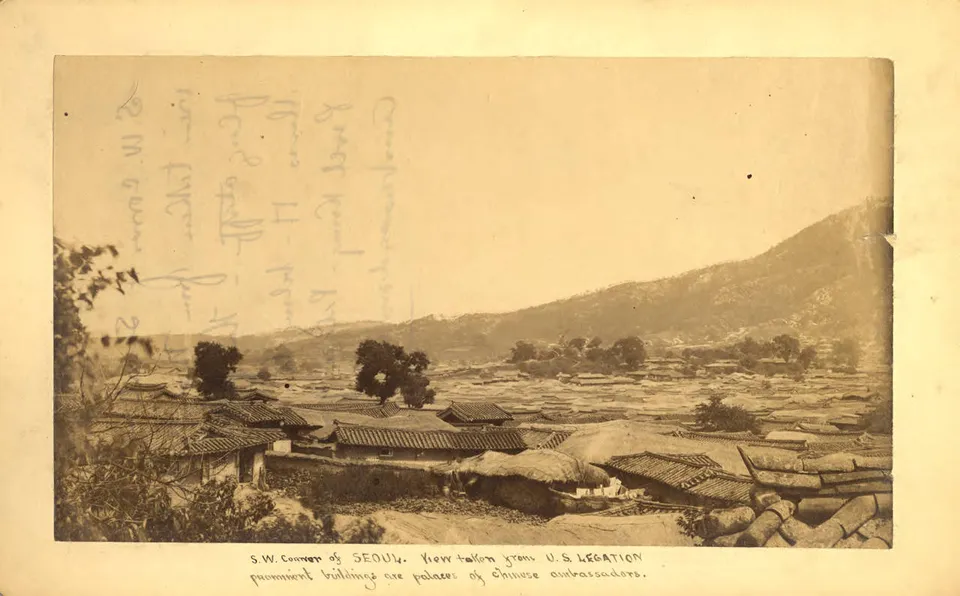
George Clayton Foulk · Public domain · Source
The preamble called Korea a Qing dependency, and Chinese merchants gained the right to open shops in Hanseong and at Yanghwajin, to trade in the interior, and extraterritoriality. Other powers soon claimed the same rights under most-favoured-nation clauses, bringing foreign merchants deep into the domestic market.
Qing sent Ma Jianchang and Paul Georg von Möllendorff as advisers to steer Korea’s government and diplomacy, and Yuan Shikai remained in Seoul with troops. Resentment of Qing interference drove the radical reformers to the Gapsin Coup of 1884.