Soviet Five-Year Plans and Collectivization
Also called: Collectivization, Kolkhoz, First Five-Year Plan
Having taken power after Lenin’s death, Stalin ended the New Economic Policy, built up heavy industry under state plans and forced the peasants into collective farms.
автор неизвестен · Public domain · Source
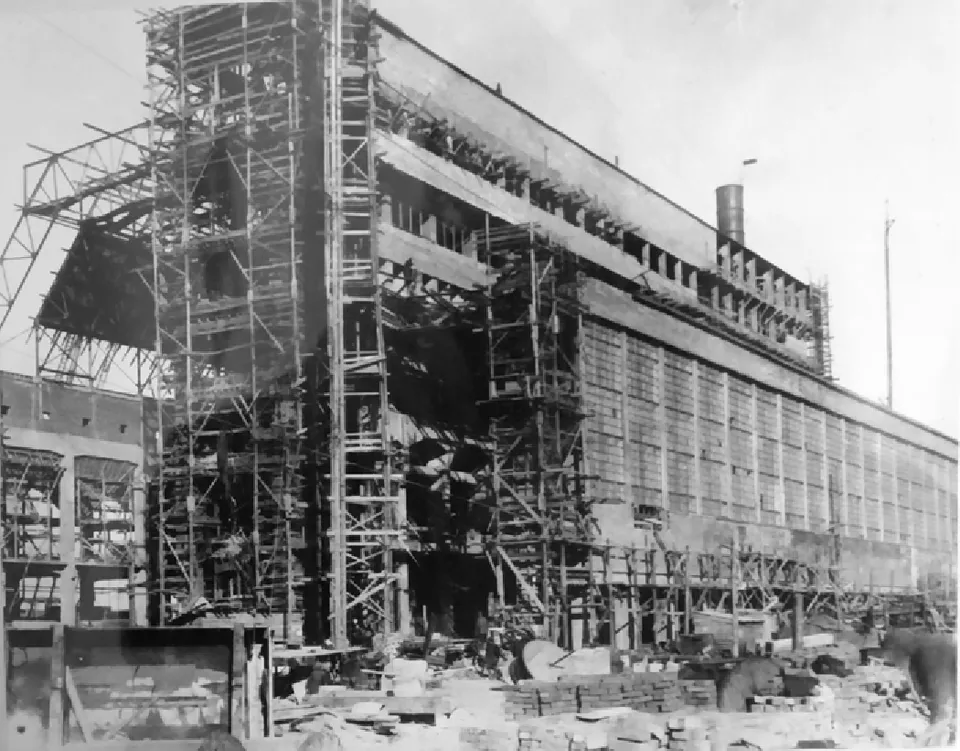
After Lenin died in 1924, Stalin proclaimed “socialism in one country” and drove out rivals such as Trotsky. The First Five-Year Plan, launched in October 1928, had the state set production targets and concentrate on heavy industry such as steel, coal and machinery. Giant works rose, among them the Magnitogorsk steel plant in the Urals and the hydroelectric station on the Dnieper.
From late 1929 the peasants’ land and livestock were forced into kolkhozes (collective farms) and sovkhozes (state farms). Countless peasants branded as kulaks (rich peasants) lost their property and were deported to Siberia and Central Asia, while others slaughtered their animals rather than give them up. Farm output fell sharply, yet grain requisitioning went on.
While the Depression shook the capitalist world, the Soviet Union rapidly became an industrial power, at the price of peasant suffering, forced labour and a strengthened Stalinist dictatorship.