Deportation of Soviet Koreans to Central Asia
Also called: Deportation of Koreans in the Soviet Union, Koryo-saram deportation
Claiming they might spy for Japan, Stalin’s regime forcibly moved more than 170,000 Koreans from the Russian Far East, including the Maritime Province, to Kazakhstan and Uzbekistan.
Unknown author · Public domain · Source
From the late nineteenth century Koreans crossing the Tumen River had founded villages in the Russian Maritime Province (Primorye), which after 1910 became a base of the independence movement abroad. As tension with Japan rose after the Manchurian Incident, the Soviet authorities grew suspicious of the Koreans. On 21 August 1937 a resolution in the names of Molotov, chairman of the Council of People’s Commissars, and Party secretary Stalin ordered the removal of Koreans from the Far Eastern border regions.
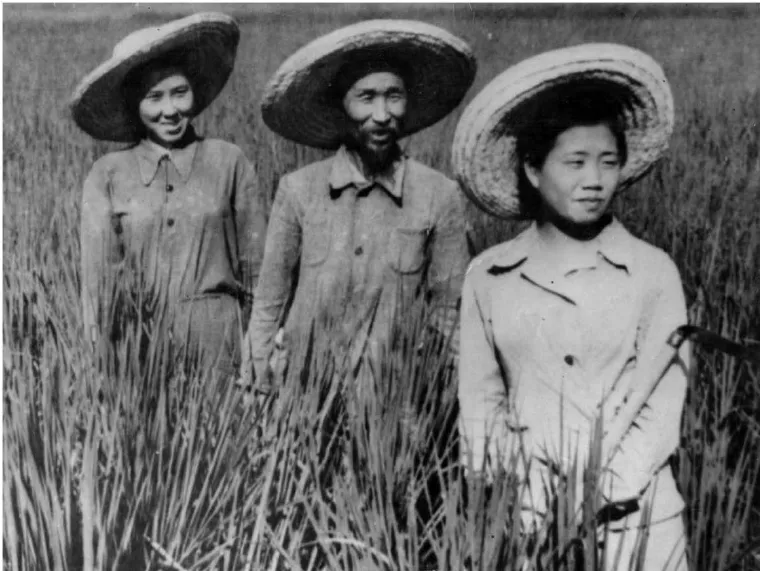
In September and October more than 170,000 Koreans were loaded onto freight trains and carried over several weeks to Kazakhstan and Uzbekistan, after many of their leaders and intellectuals had been arrested and shot. Many died of cold and disease on the journey and in the first winter. The deportees broke barren land and reed marshes and established rice farming. Hong Beom-do, the victor of Bongo-dong, was also deported to Kazakhstan and died there (his remains were brought home to Korea in 2021). In 1993 the Russian parliament declared the deportation unlawful and rehabilitated the Koryo-saram.