The Taikō Land Survey and the Sword Hunt
Also called: Taikō kenchi, Sword hunt, Katanagari, Separation of warriors and farmers
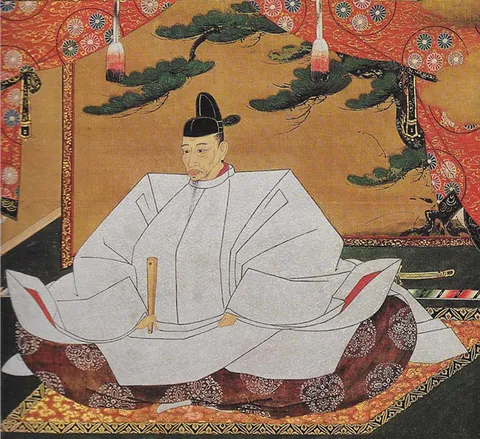
Toyotomi Hideyoshi surveyed the fields of the whole country with standard measures, assessing tax by rice yield (kokudaka), and in 1588 issued the Sword Hunt edict (katanagari) to disarm the peasants. Together they laid the basis of early modern Japan’s division between warriors and farmers.
KKPCW · CC BY-SA 4.0 · Source
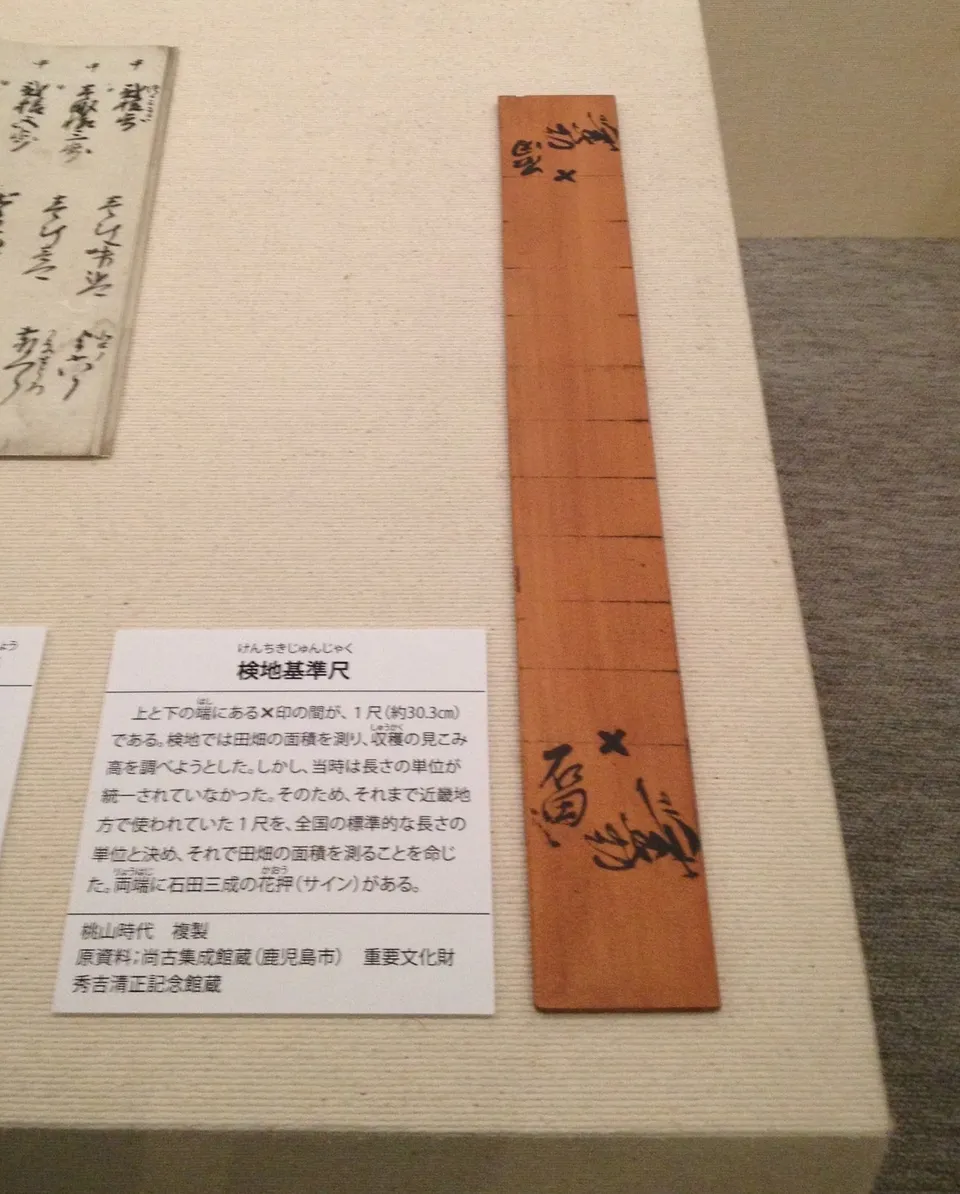
From Yamashiro in 1582 onward, Hideyoshi had every territory he took surveyed (the Taikō kenchi). Units of length and area and the grain measure (the Kyō-masu) were standardised, each plot was graded and assessed for its yield, and a single actual cultivator was entered in the register for it. The overlapping rights to land inherited from the age of estates were swept away, and daimyo domains and military obligations came to be reckoned in koku of rice.
On 29 August 1588 the Sword Hunt edict forbade farmers to keep swords, bows, spears or guns and ordered them collected. The weapons were to be used, it said, for nails and clamps in the Great Buddha of the Hōkō-ji in Kyoto, but the aim was to prevent uprisings and tie farmers to the land. A status edict of 1591 followed, forbidding warriors to become farmers or merchants and farmers to take up trade. This separation of warriors and farmers became the foundation of the Edo-period social order.