CultureApril – May 1885

Van Gogh’s The Potato Eaters

Living at his parents’ house in Nuenen, Van Gogh painted a peasant family eating potatoes by lamplight — his first major work, in dark colours.
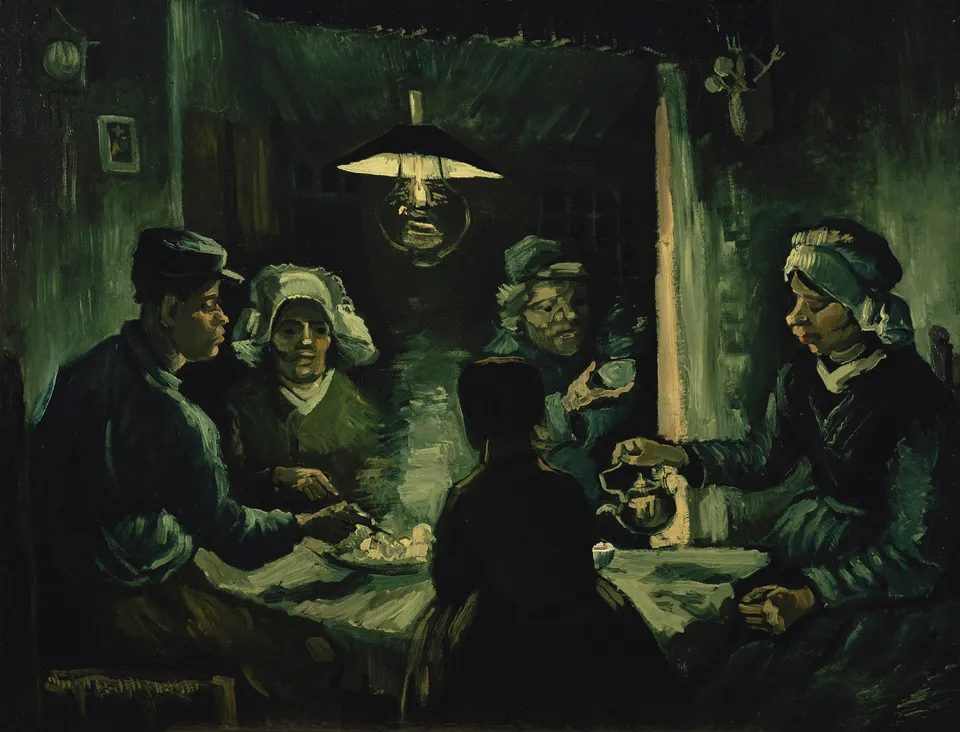
The Potato Eaters (1885, Van Gogh Museum)

Vincent van Gogh · Public domain · Source

After working as an art dealer’s clerk, a teacher and a preacher in a mining district, Vincent van Gogh decided in 1880, at 27, to become an artist. At the end of 1883 he came to Nuenen in the south of the Netherlands, where his father was the pastor, and drew and painted peasants and weavers at work again and again.

The Potato Eaters, painted in April–May 1885, shows a peasant family sharing potatoes they had dug themselves by lamplight, in dark, rough colours. He wrote to his brother Theo that he wanted to show that the people eating had dug the earth with the very hands they put in the dish. Criticised at the time, it is now counted his first masterpiece.
The map in 1885

OpenFreeMap © OpenMapTiles © OpenStreetMap contributors

Places
Nuenen

People

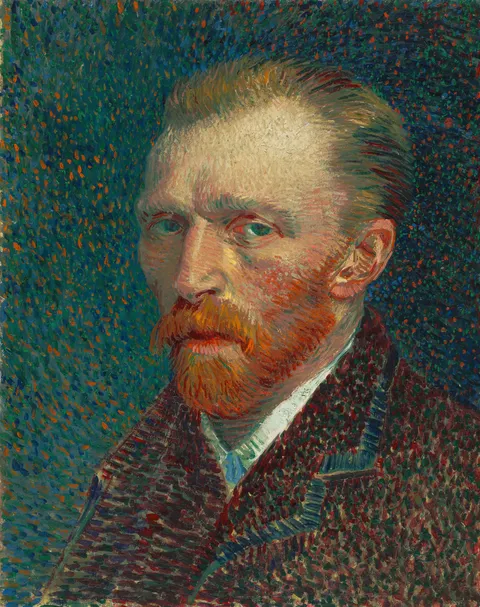
  • Vincent van Gogh1853 – 1890

    creator · Dutch painter who in little more than ten years made over 2,000 works, some 860 of them oil paintings, whose vivid colour and brushwork shaped modern art

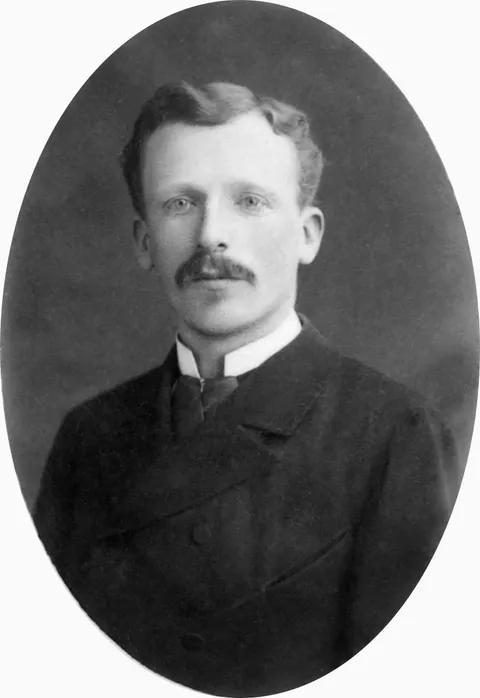
  • Theo van Gogh1857 – 1891

    related figure · Vincent’s younger brother, an art dealer in Paris who supported him with money and letters all his life; he died six months after Vincent

Before and after

Themes that include this event

  • Vincent van Gogh1853 – 1890

    How a pastor’s son who decided at 27 to become a painter moved from the dark fields of Holland to the colours of Paris and the sun and stars of southern France, leaving over 2,000 works in ten years