CultureFebruary 1886 – February 1888

Van Gogh Finds Colour in Paris

Joining his brother Theo in Paris, Van Gogh met Impressionism and Japanese prints, and his dark painting turned to bright colour and short brushstrokes.
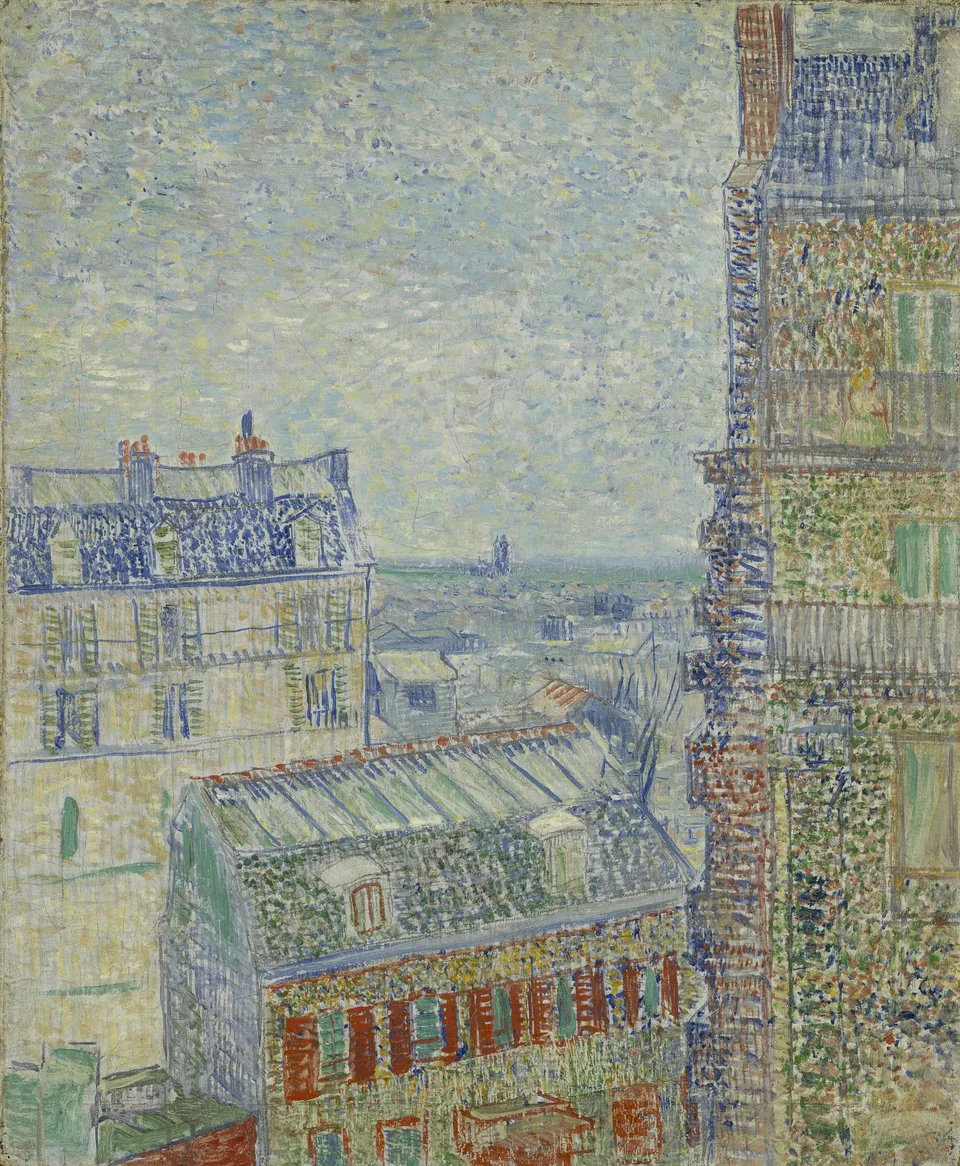
View of Paris rooftops from Theo’s apartment (1887, Van Gogh Museum)

Vincent van Gogh · Public domain · Source

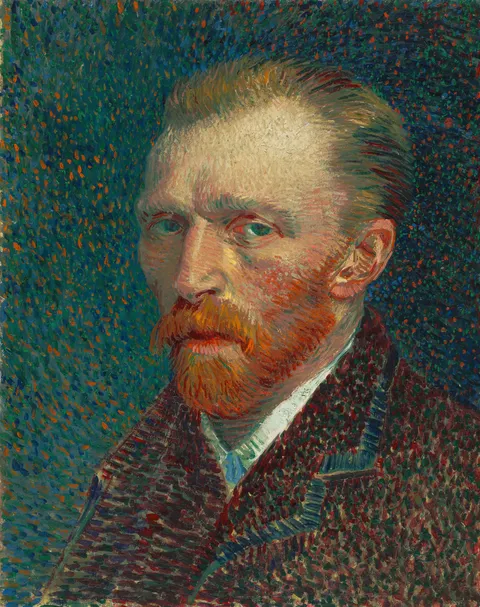
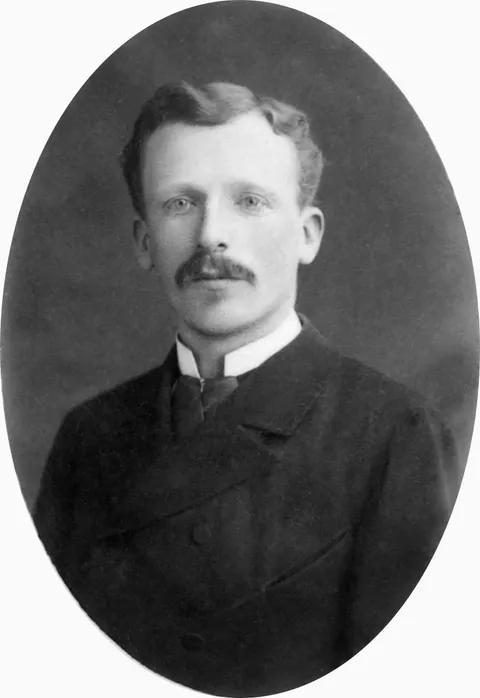
In February 1886 Van Gogh arrived unannounced in Paris and moved in with his brother Theo in Montmartre. Through Theo, an art dealer, he met the Impressionists such as Monet and Pissarro, Seurat’s pointillism, and younger painters including Toulouse-Lautrec, Bernard and Gauguin.

He collected hundreds of Japanese ukiyo-e prints and copied some of them. In two years his palette brightened from browns to yellow, blue and green, and he painted flowers, streets and dozens of portraits of himself in the mirror. Worn out by city life, in February 1888 he left to look for “the light of the south”.
The map in 1886

OpenFreeMap © OpenMapTiles © OpenStreetMap contributors

States at the time
France

People

  • Vincent van Gogh1853 – 1890

    key figure · Dutch painter who in little more than ten years made over 2,000 works, some 860 of them oil paintings, whose vivid colour and brushwork shaped modern art

  • Theo van Gogh1857 – 1891

    related figure · Vincent’s younger brother, an art dealer in Paris who supported him with money and letters all his life; he died six months after Vincent

Before and after

Themes that include this event

  • Vincent van Gogh1853 – 1890

    How a pastor’s son who decided at 27 to become a painter moved from the dark fields of Holland to the colours of Paris and the sun and stars of southern France, leaving over 2,000 works in ten years