Exploration20 May 1498 (arrival at Calicut)

Vasco da Gama Reaches India

Also called: Discovery of the sea route to India

Portugal’s Vasco da Gama sailed round southern Africa and reached Calicut in India. A direct sea route from Europe to Asia was open, transforming world trade.
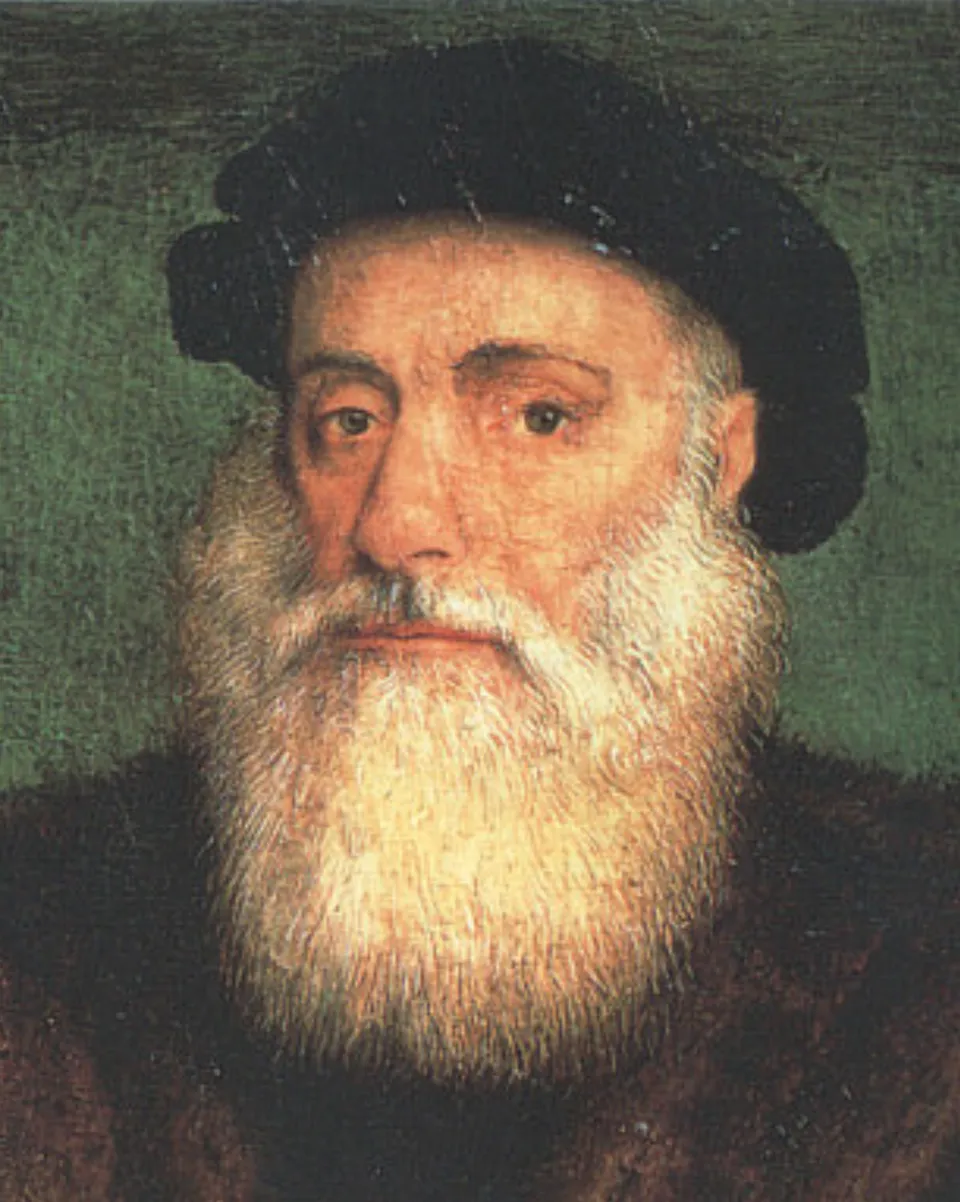
Vasco da Gama — portrait attributed to Gregório Lopes, c. 1524

Gregório Lopes · Public domain · Source

Sent by Manuel I, da Gama’s four ships left Lisbon in July 1497, rounded the Cape of Good Hope, took on a pilot at Malindi in East Africa and crossed the Indian Ocean on the monsoon, reaching Calicut on 20 May 1498. Dealings with the ruler of Calicut (the Zamorin) went badly, but the pepper and spices brought home were worth several times the cost of the voyage. Portugal then sent armed fleets into the Indian Ocean trade, and the route of the Asian trade, which had passed through the Mediterranean and Muslim merchants, was transformed.

The map in 1497

OpenFreeMap © OpenMapTiles © OpenStreetMap contributors

States at the time
Portugal
Places
Lisbon, Calicut (Kozhikode)

People

  • Vasco da Gama1524

    leader · Portuguese navigator who rounded Africa and reached Calicut in India in 1498, opening the sea route to India

  • Manuel I of Portugal1469 – 1521

    monarch · King of Portugal who sent the voyages of Vasco da Gama and Cabral and built Portugal’s Asian trading empire

Before and after

Themes that include this event

  • Turkic-Islamic Empires and Other Civilizations1000 – 1533

    From the Ghaznavid raids on India to the Mughal Empire and Suleiman I — five centuries in which Turkic-led Islamic empires took western Asia and India, while Africa, Southeast Asia and the Americas raised civilisations of their own

  • The Age of Discovery1415 – 1600

    From Ceuta to the Manila galleons — two centuries in which European ships crossed the oceans and bound the world together by sea