Politicsc. 194 BCE

Wiman Seizes Gojoseon

Wiman, who had come from Yan with about a thousand followers, ousted King Jun and took the throne; Jun fled south and called himself King of Han.
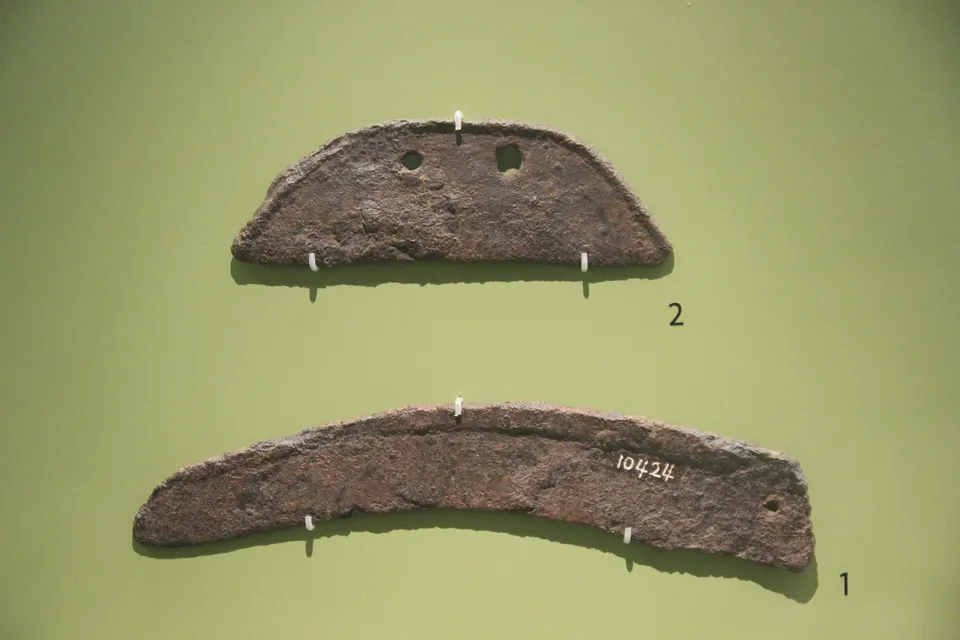
Iron knife and sickle of Gojoseon, c. 3rd century BC, when iron tools spread — National Museum of Korea

Prof. Gary Lee Todd · CC BY-SA 4.0 · Source

Amid the fall of Qin, Wiman arrived wearing a topknot and native dress. King Jun trusted him to guard the western frontier, but Wiman built up his strength and seized Wanggeom-seong.

Because he kept the name Joseon and gave high office to locals, Wiman’s state is seen as a continuation of Gojoseon. Iron spread widely under his line, and Gojoseon grew rich as middleman between Han and the southern state of Jin.

The map in 194 BC

OpenFreeMap © OpenMapTiles © OpenStreetMap contributors

States at the time
Gojoseon
Places
Wanggeom-seong

People

  • Wiman

    leader · Refugee leader from Yan who ousted King Jun and took the throne of Gojoseon

  • King Jun

    monarch · King of Gojoseon who lost the throne to Wiman and fled south

Before and after

Earlier
200 BC Rise of Buyeo

Themes that include this event

  • Ancient China and India770 BC – AD 220

    From the Hundred Schools of the Warring States to the unified empires of Qin and Han, and from the Buddha to the Maurya and Kushan empires — the millennium that shaped East and South Asian civilisation

  • Pyongyang194 BC – 2007

    From Wanggeom-seong of Gojoseon to the inter-Korean summits — capital of Goguryeo, Western Capital of Goryeo, the great city on the Taedong