Wuchang Uprising
Also called: Wuchang Rising, Double Tenth
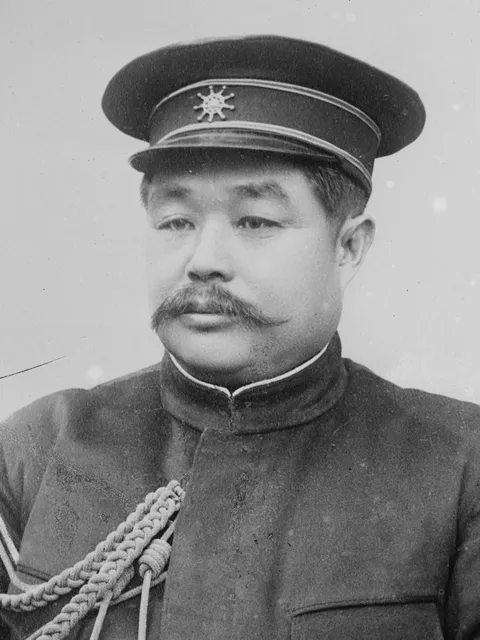
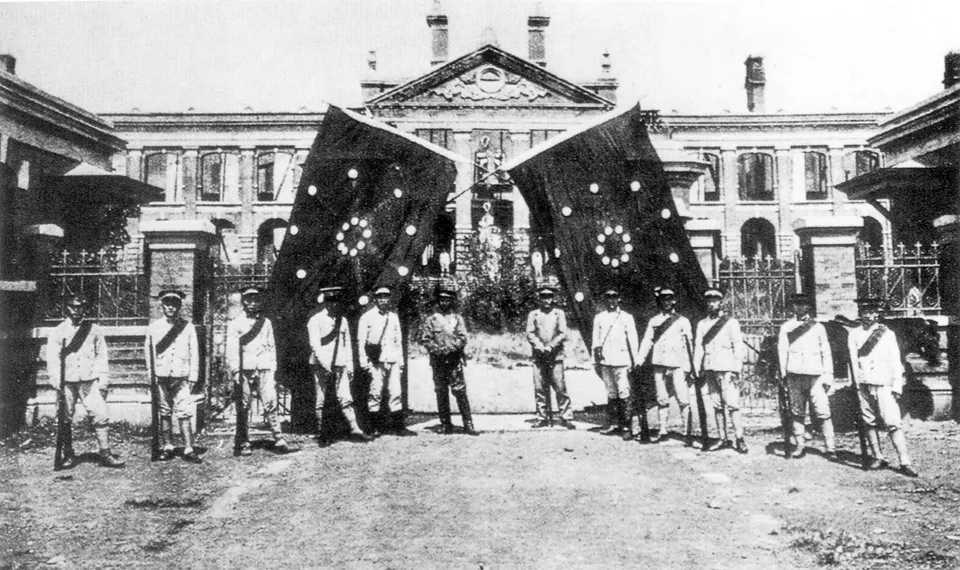
On the night of 10 October 1911 the engineers of the New Army in Wuchang rose, took the city the next morning and set up a Hubei military government under the brigade commander Li Yuanhong — the start of the 1911 Revolution.
Public domain · Source
Thousands of men in the Wuchang New Army belonged to revolutionary societies such as the Literary Society and the Progressive Association. On 9 October a bomb went off by accident in a hideout in the Russian concession at Hankou, and the societies’ membership lists and flags fell into the hands of the Qing police. With three men executed the next morning and more arrests coming, the 8th Engineer Battalion could wait no longer and took up arms that night.
The rebels seized the arsenal and attacked the yamen of the Huguang viceroy, Ruicheng, who fled through a hole knocked in the city wall. By the morning of the 11th Wuchang was theirs. Lacking a known leader, the soldiers pulled the brigade commander Li Yuanhong from where he was hiding and made him military governor, naming their state the “Republic of China”. By the 12th they held Hanyang and Hankou as well.