Xinyou Coup
Also called: Xinyou Palace Coup, Beijing Coup of 1861
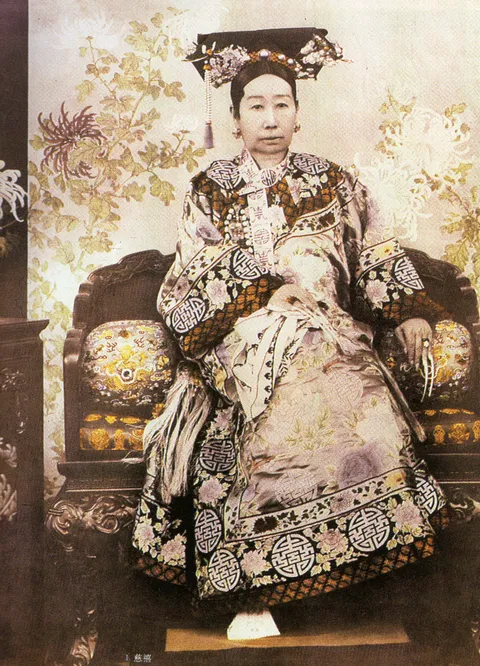
When the Xianfeng Emperor died at Rehe in 1861, eight ministers led by Sushun became regents for the six-year-old Tongzhi Emperor. In November the two empresses dowager, Ci’an and Cixi, joined Prince Gong to overthrow them and began to rule from behind the screen.
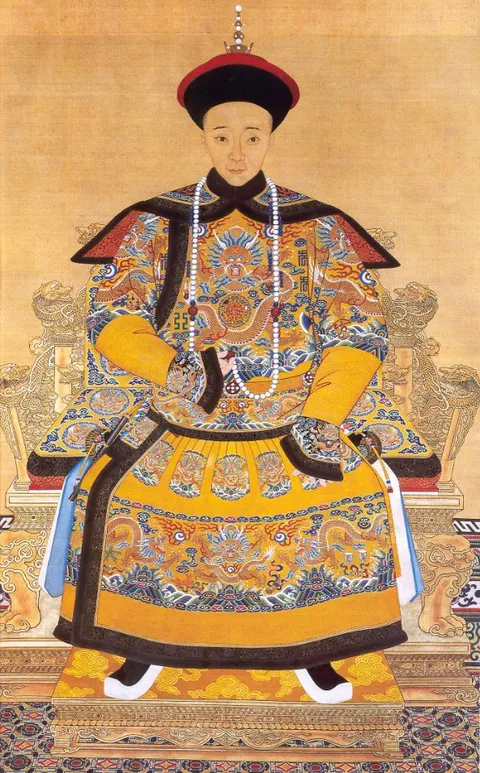
The Xianfeng Emperor, who had fled the Anglo-French advance to the mountain resort at Rehe, never returned to Beijing and died there in August 1861. His six-year-old son Zaichun succeeded him, and by his will eight ministers led by Sushun were to guide the boy emperor.
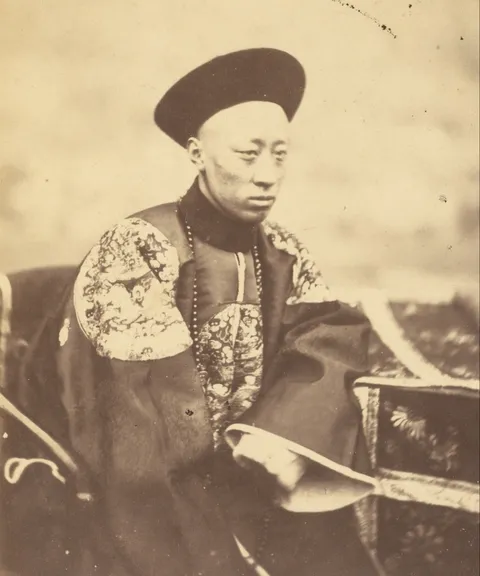
But the emperor’s mother Cixi and the former empress Ci’an allied with Prince Gong, who had led the negotiations with the foreigners in Beijing. In November, returning to Beijing with the late emperor’s coffin, the two dowagers had the eight ministers arrested, executed Sushun and began to rule "from behind the screen". Prince Gong became Prince-Regent, and the new reign was named Tongzhi — "ruling together".
From the Zongli Yamen founded early that year Prince Gong took charge of foreign affairs and, with Han Chinese officials such as Zeng Guofan and Li Hongzhang, led the Self-Strengthening Movement. Cixi held real power in China for almost half a century, until her death in 1908.