Period of Yuan Interference
For some eighty years after the return to Gaegyeong, Goryeo was a son-in-law state of the Yuan under its interference: its institutions were downgraded, territory lost, and pro-Yuan magnates rose to power.
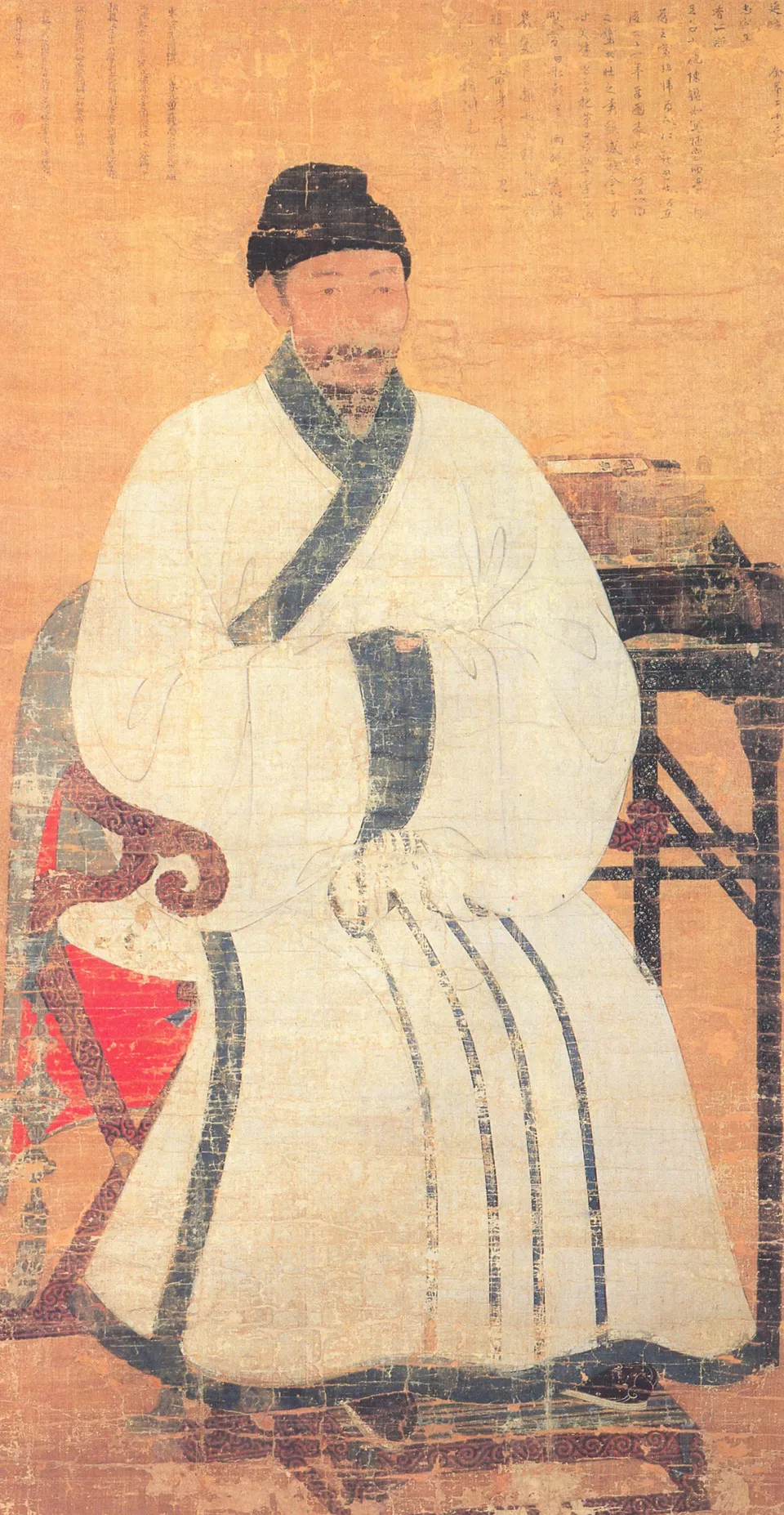
Chen Jianru · Public domain · Source
Goryeo kings married Yuan princesses, and their posthumous titles began with chung, "loyal" (Chungnyeol, Chungseon …). Institutions were demoted — the two chancelleries became the Cheomuibu, the six ministries four offices, the Security Council the Miljiksa — and royal terms of address were lowered from those of an emperor to those of a king.
The Yuan ruled territory directly through the Ssangseong Commandery at Hwaju (1258), the Dongnyeong Commandery at Seogyeong (1270) and the Tamna Commandery on Jeju (1273); the latter two were later returned. It meddled through the Branch Secretariat for the Eastern Campaigns and darughachi, and took tribute women and hunting falcons. Mongol fashions such as braided hair, Mongol dress, the jokduri headdress and soju spread in Goryeo, while Goryeo fashions became popular in the Yuan court.
Pro-Yuan magnates (gwonmun sejok) dominated the Dopyeonguisasa council, passed office down through eumseo and seized land to build estates bounded by mountains and rivers. Against them rose a new class of Neo-Confucian scholar-officials.