Local history1270 – 19487 events
Jeju Island
From Tamna to Jeju — the Sambyeolcho’s last stand, Yuan horse ranches, castaways and exiles, and the island of April 3
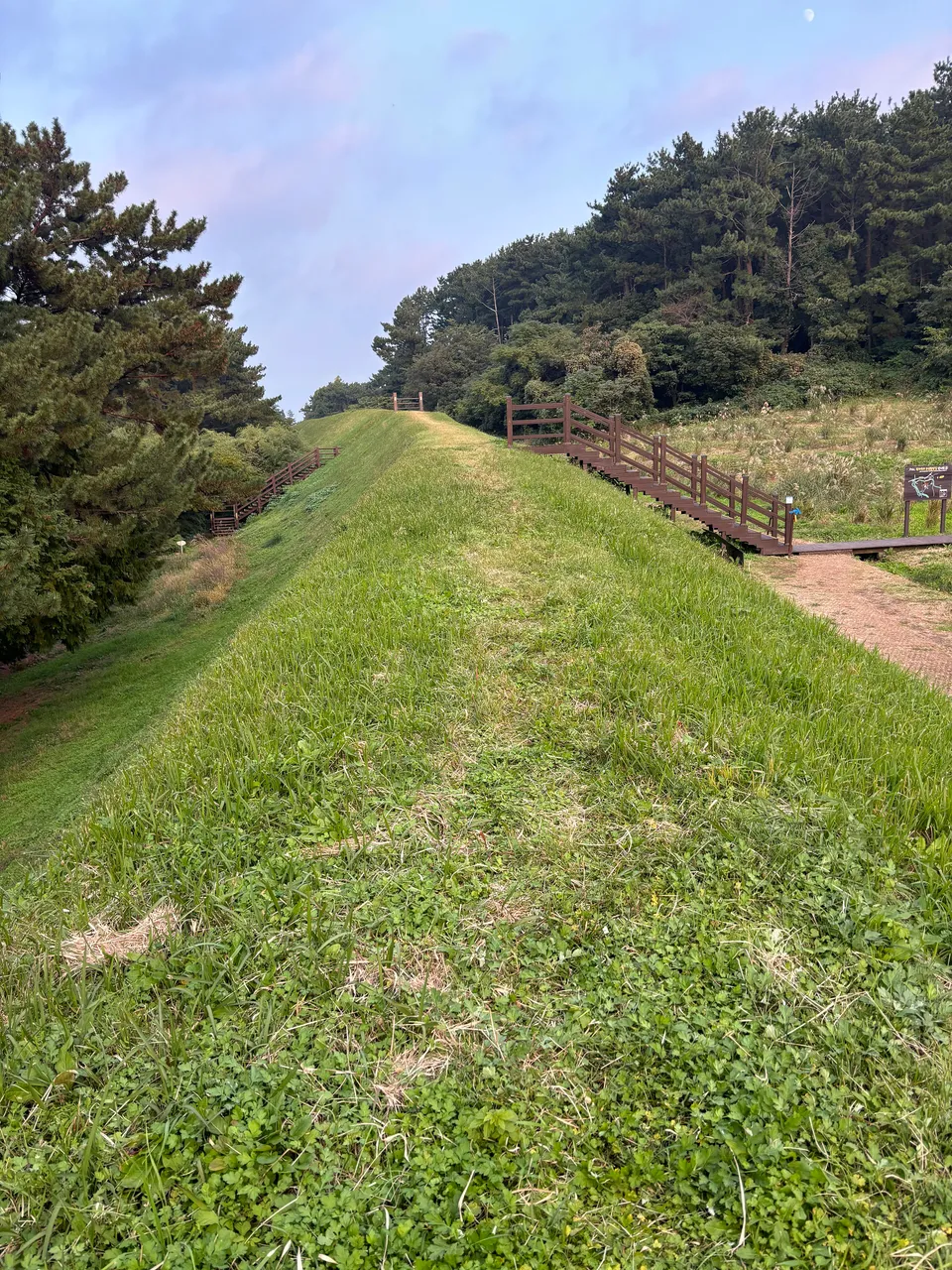
Chipmunkdavis · CC BY-SA 4.0 · Source
From Tamna to Jeju — the Sambyeolcho’s last stand, Yuan horse ranches, castaways and exiles, and the island of April 3
Chipmunkdavis · CC BY-SA 4.0 · Source
| Era | Event | Details |
|---|---|---|
| Goryeo, Wonjong | Sambyeolcho resistance | Kim Tong-jeong; Hangpaduri (crushed 1273) |
| Yuan interference | Tamna Commandery | Ruled by Yuan; horse ranches |
| Goryeo, Gongmin | Mokho rebellion | Crushed by Choe Yeong |
| Joseon, Hyojong | Hamel shipwrecked | His journal introduced Joseon to Europe |
| Joseon, Jeongjo | Kim Man-deok’s relief | Woman merchant feeds the starving |
| Joseon, Heonjong | Kim Jeong-hui’s Sehando | Painted in Jeju exile for Yi Sang-jeok |
| Contemporary | Jeju April 3 Incident | From the 1947 shooting to 1954; islanders killed in armed clashes and suppression |
For some eighty years after the return to Gaegyeong, Goryeo was a son-in-law state of the Yuan under its interference: its institutions were downgraded, territory lost, and pro-Yuan magnates rose to power.
Rejecting the return to Gaegyeong, the Sambyeolcho under Bae Jung-son rose on Ganghwa and, moving to Jindo and then Jeju, held out for three years against combined Goryeo and Mongol forces.
The Mongol herders (mokho) of the Yuan horse ranches on Jeju refused to hand over horses meant for Ming and rebelled; King Gongmin sent Choe Yeong to crush them.
The Dutch ship Sperwer was wrecked on Jeju. Hendrick Hamel and his crew spent 13 years in Joseon before escaping, and his account introduced Korea to Europe.
When a great famine struck Jeju, the merchant Kim Man-deok spent her fortune on rice from the mainland and saved the starving; King Jeongjo summoned her to Hanyang and granted her wish.
Painted by the exiled Kim Jeong-hui for his student Yi Sang-jeok, who kept sending him books — pines and cypresses in winter as a symbol of unchanging loyalty.
An armed uprising on Jeju against a separate election in the south, and its suppression, in which many islanders were killed.
Twenty-fifth king of Goryeo and the first to marry a Yuan princess; Goryeo was drawn into the invasions of Japan
Twenty-sixth king of Goryeo, who founded the Mangwondang library in Dadu where Goryeo and Yuan scholars met
Fifth Great Khan and founder of the Yuan dynasty, who made peace with Goryeo and launched the invasions of Japan
Goryeo woman sent to Yuan as tribute who became empress of Emperor Shun; her brother Gi Cheol and the pro-Yuan faction rode on her power
Leader of the Sambyeolcho who rejected the return to Gaegyeong and resisted from Jindo
Twenty-fourth king of Goryeo, who made peace with Kublai and returned the court to Gaegyeong in 1270
Thirty-first king of Goryeo, who led anti-Yuan reforms, recovered the Ssangseong Commandery and backed Sin Don’s reforms
General who fought the Red Turbans and Japanese pirates, won at Hongsan in 1376, and was executed after the Wihwado retreat
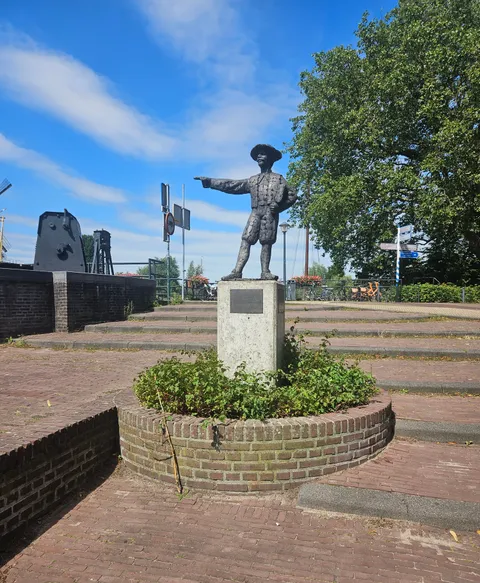
Dutch East India Company sailor shipwrecked on Jeju; after 13 years he escaped and wrote the first Western account of Korea
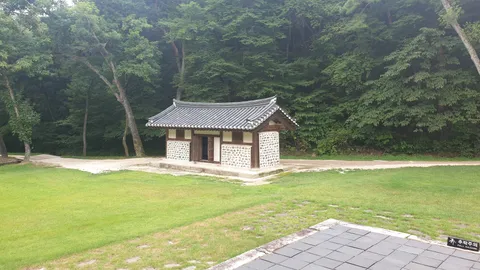
Seventeenth king of Joseon; a former hostage in Qing who planned a northern campaign and sent troops against Russia
Woman merchant of Jeju who spent her fortune on rice to feed the starving during a great famine on the island under Jeongjo