Zhang Juzheng’s Reforms and the Single Whip Law
Also called: Single Whip Reform, Yitiaobian fa
For ten years at the start of the Wanli reign the senior grand secretary Zhang Juzheng re-surveyed the land and tightened official discipline, and in 1581 extended across the empire the Single Whip law, which merged taxes and labour service into one payment in silver.
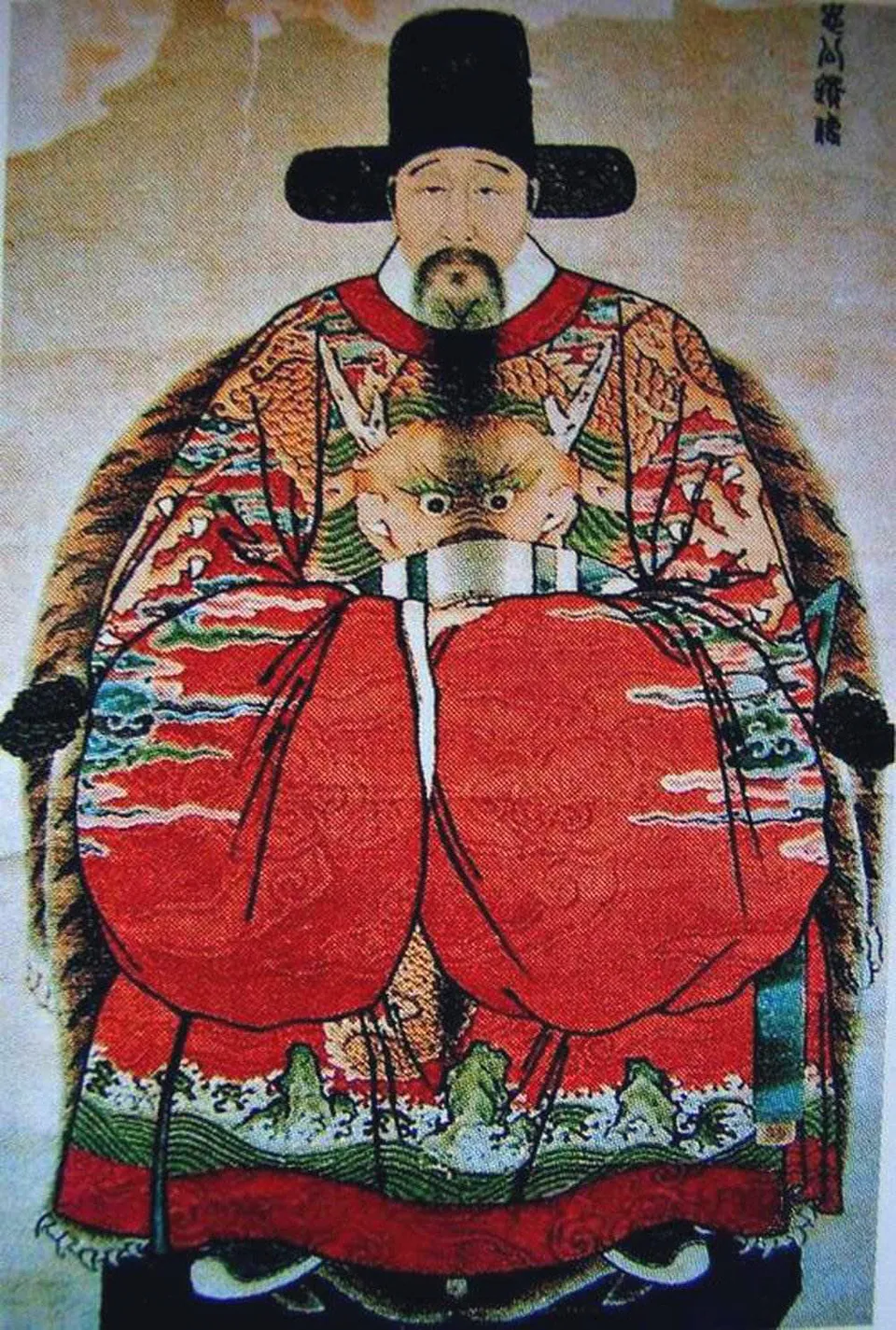
Rongshi · Public domain · Source
When the ten-year-old Wanli Emperor came to the throne in 1572, the senior grand secretary Zhang Juzheng held real power for a decade and drove reform. His performance-review system, which set deadlines for officials’ tasks, restored discipline, and from 1578 a new survey of the empire’s land uncovered hidden fields and stopped tax leakage. On the northern frontier he posted generals such as Qi Jiguang and kept the peace with Altan Khan.
At the heart of the reforms was the Single Whip law (yitiaobian fa). Land tax and the many labour services and levies assessed on people, until then collected separately, were combined into one and paid in silver according to land and adult males. It was possible because silver from Japan and the Americas (via the Manila galleons) was pouring in during the sixteenth century and circulating widely as money. Practised piecemeal in various regions, it was extended to the whole empire in 1581.
The treasury swelled, but officials who had chafed at the strict reforms confiscated Zhang’s family property after his death in 1582 and reversed his measures. Ruling in person, the Wanli Emperor long refused to hold court, and the “three great campaigns”, including sending troops to Korea in the Imjin War, drained the treasury again. Taxation in silver continued into the Qing’s merged land-and-poll tax.