Imjin War
Also called: Japanese invasions of Korea (1592–1598)
A seven-year war that began with Japan's invasion of Joseon in 1592 and lasted until 1598. Ming China sent troops, turning it into an East Asian international war.
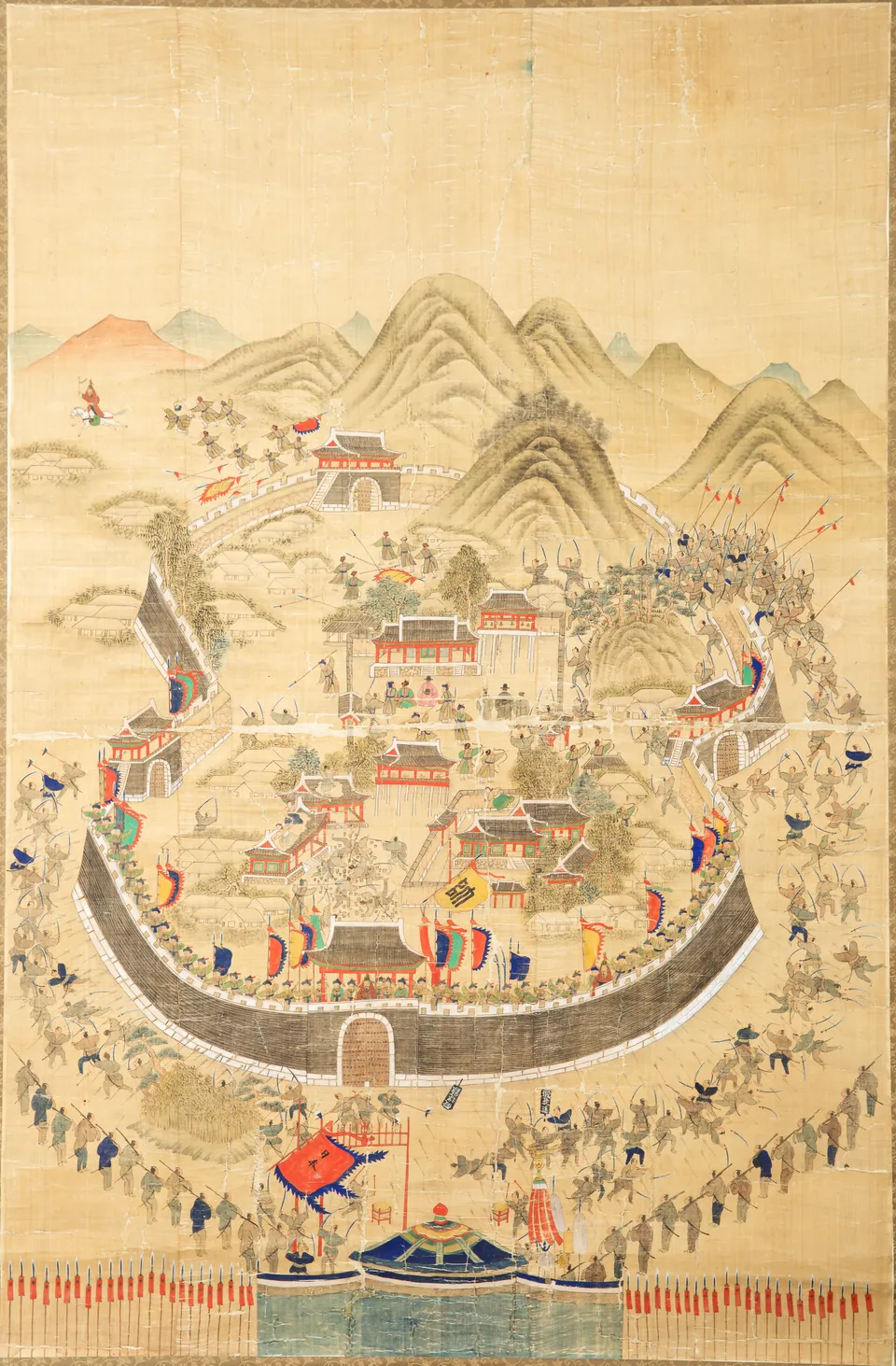
변박 (卞璞) · Public domain · Source
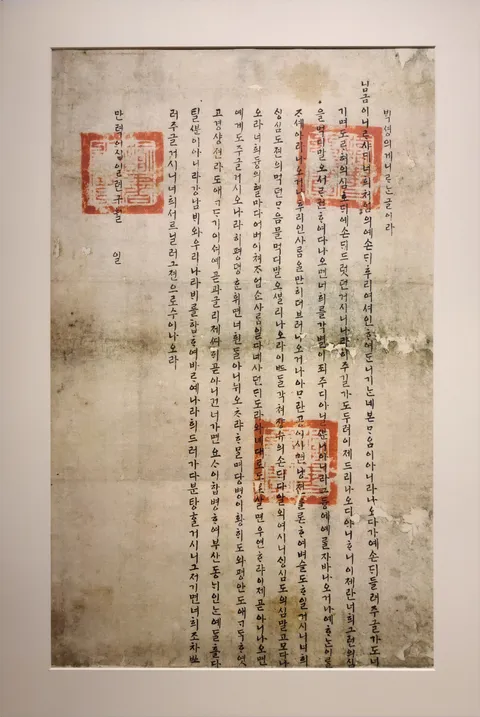
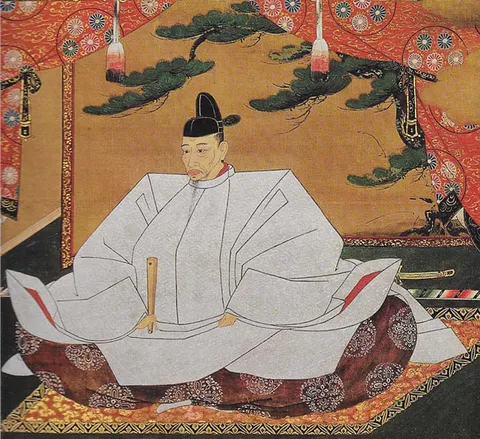
Having ended the Warring States period and unified Japan, Toyotomi Hideyoshi sought to turn his lords’ energies outward and expand onto the continent. He demanded that Korea let his armies pass to attack Ming — the demand Koreans call jeongmyeong gado, "conquer Ming, borrow the road". His letters of 1590–1591 actually told Korea to lead the way against Ming; Sō Yoshitoshi of Tsushima softened this to a request merely to let the army through. Korea, a tributary of Ming, saw it as a pretext for invasion and refused, and Hideyoshi used the refusal as grounds for war.
On 13 April 1592 (lunar calendar), the Japanese landed at Busan. Busanjin fell within a day. Before Dongnae the Japanese demanded "Fight if you will fight; if not, let us pass", and Magistrate Song Sang-hyeon answered "It is easy to die fighting, hard to let you pass" and died resisting. Hanyang was taken within twenty days, and King Seonjo fled north to Uiju and asked Ming for help.
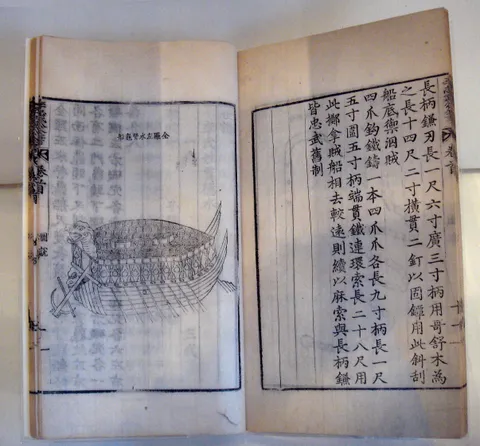
At sea, the Joseon navy under Yi Sun-sin won a string of victories at Okpo, Hansando and elsewhere, cutting the Japanese supply lines, while volunteer militias rose across the country. After the allied Joseon and Ming forces retook Pyongyang in January 1593, the Japanese withdrew to the southern coast and peace talks began.
When the talks collapsed, Japan invaded again in 1597 (the Jeongyu War). Yi Sun-sin held off the Japanese fleet at Myeongnyang with only 13 ships. After Hideyoshi died in 1598 the Japanese withdrew, and Yi Sun-sin was killed in the final battle at Noryang.