Person
Aaron
Elder brother of Moses in the Hebrew Bible, who spoke for him before Pharaoh and became the first high priest of Israel; he is said to have died on Mount Hor
Elder brother of Moses in the Hebrew Bible, who spoke for him before Pharaoh and became the first high priest of Israel; he is said to have died on Mount Hor
A story told in the Book of Exodus: Moses, drawn from the Nile and raised by Pharaoh’s daughter, fled to Midian, and on Mount Horeb was called by God from a bush that burned without being consumed.
A story told in the Book of Exodus: in the third month after leaving Egypt the Israelites reached Mount Sinai, made a covenant with God, and Moses received the Ten Commandments on two tablets of stone — while below the mountain the people made a golden calf.
A story told in the Book of Exodus: when Pharaoh refused again and again to let the Israelites go, ten plagues fell on Egypt, and in the last only the houses marked with a lamb’s blood were passed over (Passover).
A story told in the Books of Numbers and Deuteronomy: after forty years in the wilderness, having gone around Edom to the plains of Moab, Moses climbed Mount Nebo, looked out over Canaan and died at a hundred and twenty; Joshua succeeded him.
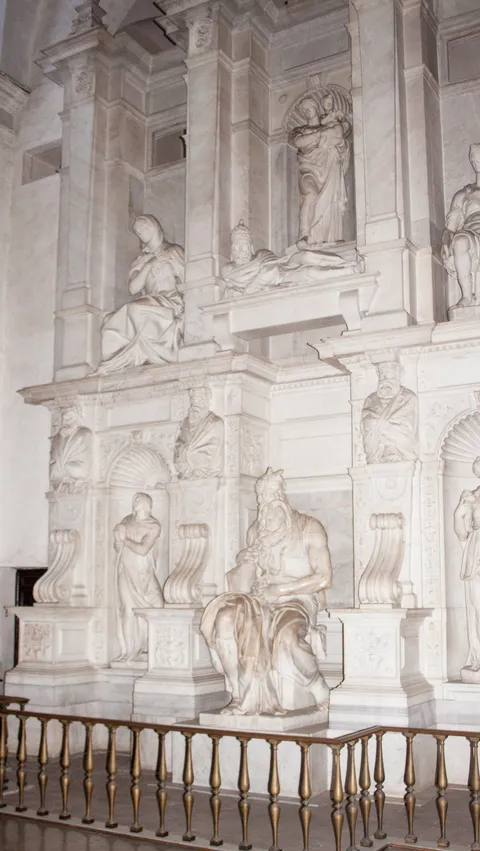
Leader and prophet of Israel in the Hebrew Bible, who is said to have led the Israelites out of Egypt and received the Ten Commandments on Mount Sinai; he does not appear in records outside the Bible
Moses’ aide and successor in the Hebrew Bible, who with Caleb brought back a good report from Canaan and, after Moses’ death, led the people across the Jordan
From slavery and the burning bush, the ten plagues and the parted sea, to the Ten Commandments at Sinai, forty years in the wilderness and Moses on Mount Nebo — the Exodus as the Hebrew Bible tells it, followed on the map alongside Ramesses II’s capital and the Merneptah Stele, the first record to name “Israel”