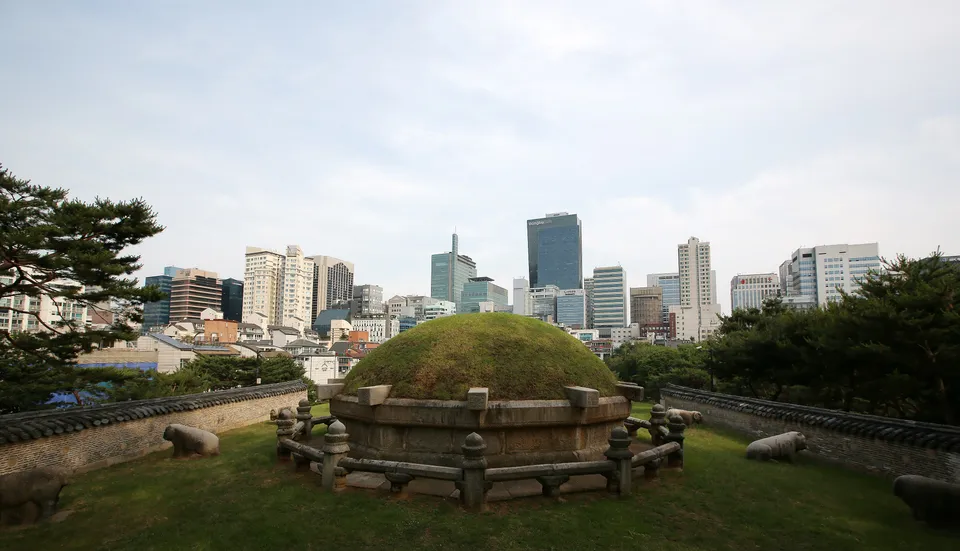
Jeongneung, the tomb of King Jungjong, Gangnam-gu, Seoul

Republic of Korea · CC BY-SA 2.0 · Source

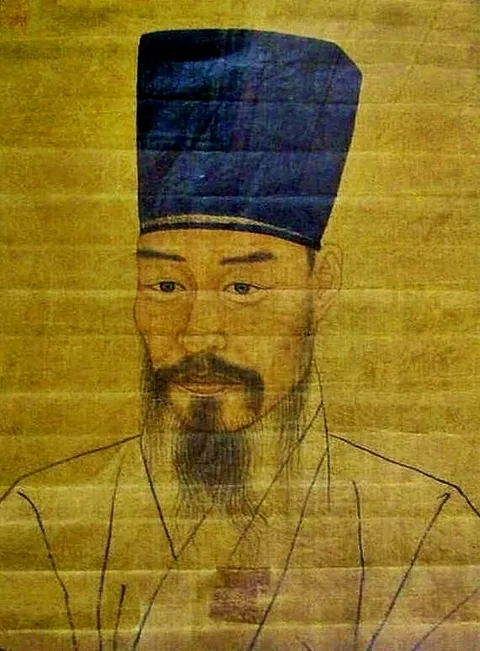
Person1488 – 1544

Jungjong

Eleventh king of Joseon, enthroned by the 1506 coup; raised Jo Gwang-jo and then purged him

Seongjong's second son, formerly Grand Prince Jinseong. When the Revolt of the Three Ports broke out in 1510, he first set up the Border Defence Council (Bibyeonsa) as a temporary body. He adopted Jo Gwang-jo's Confucian reforms and the Hyeollyang Examination, but judging them too radical he purged the sarim in the Gimyo Literati Purge of 1519. In 1543 Ju Se-bung founded the first seowon, Baegundong Seowon, during his reign.
Where they went

OpenFreeMap © OpenMapTiles © OpenStreetMap contributors

4 related events

  1. 1

    Park Won-jong and others deposed Yeonsangun and enthroned Grand Prince Jinseong as King Jungjong; Yeonsangun was exiled to Gyodong Island.

  2. 2

    Japanese residents of Busanpo, Jepo and Yeompo rose up with help from Tsushima; after it was put down, trade was sharply curtailed.

  3. 3

    At Jo Gwang-jo’s urging, the court recruited recommended men of learning and virtue through a simple test; 28 Sarim scholars were chosen.

  4. 4

    Jo Gwang-jo and his reformist Sarim allies were driven out by the old guard; Jo was forced to take poison in exile at Neungju.

Related works

Dramatized works (films, dramas, novels) may differ from the historical record.

People who appear alongside

  • Jo Gwang-jo1482 – 1520

    Neo-Confucian reformer exiled to Neungju and forced to take poison in the 1519 purge

  • Park Won-jong1467 – 1510

    Military official who led the 1506 coup that deposed Yeonsangun

  • Yeonsangun1476 – 1506

    Tenth king of Joseon, who launched two literati purges and was deposed in 1506

Themes this person appears in

  • Factional Politics in Joseon1498 – 1863

    From the literati purges to in-law government — how Sarim factions moved from coexistence and checks to purges and one-faction rule, then through Tangpyeong to the dominance of a few clans

  • Ming, Qing and Edo Japan1500 – 1800

    The age when the Ming, shaken by northern raiders, southern pirates and the silver economy, fell to Li Zicheng’s rebels, and the Manchu Qing reached its greatest extent and prosperity under Kangxi, Yongzheng and Qianlong — as Japan was unified out of the Warring States into the Edo shogunate’s bakuhan order and closed country, and Joseon, after two great wars, met its neighbours through embassies to Edo and the Northern Learning

  • Busan1443 – 1979

    Port of the Japan House and of the 1876 opening — Korea’s gateway to Japan, and wartime capital in the Korean War