Local history18 BC – 198819 events
Seoul
From Hanseong Baekje to the June Democratic Struggle — the Han River land every kingdom fought for, and Joseon’s capital for five centuries
From Hanseong Baekje to the June Democratic Struggle — the Han River land every kingdom fought for, and Joseon’s capital for five centuries
| Period | Event | Key points |
|---|---|---|
| Baekje | Baekje founded | Onjo at Wiryeseong on the Han |
| Baekje | Seokchon-dong tombs | Stepped stone mounds, Goguryeo type |
| Baekje · Goguryeo | Hanseong falls | Jangsu kills Gaero → move to Ungjin |
| Silla | Bukhansan stele | Jinheung takes lower Han; read by Kim Jeong-hui |
| Joseon | Capital to Hanyang | Taejo, 1394; Jeong Do-jeon’s plan |
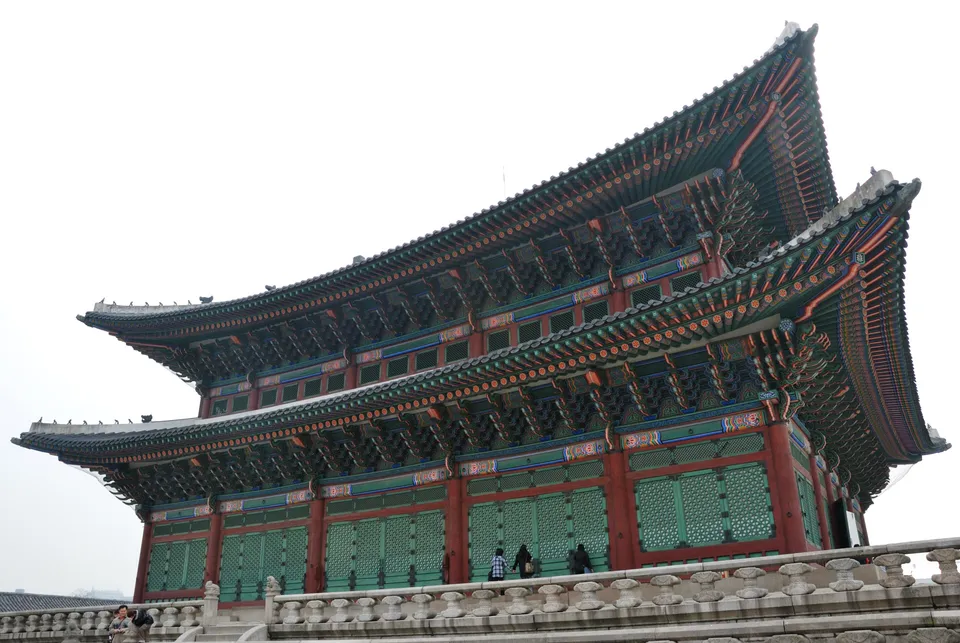
| Joseon | Gyeongbokgung built | Main palace, named by Jeong Do-jeon |
| Joseon | Wongaksa pagoda | Sejo; modelled on Gyeongcheonsa (Tapgol) |
| Joseon | Second Manchu invasion | Namhansanseong; surrender at Samjeondo |
| Opening era | Gyeongbokgung rebuilt | Daewongun; forced donations, dangbaekjeon |
| Opening era | Imo Incident | Old-style soldiers rise; Qing intervenes |
| Opening era | Gapsin Coup | Post office opening banquet; Kim Ok-gyun |
| Korean Empire | Independence Gate | Independence Club; site of Yeongeunmun |
| Korean Empire | Eulsa Treaty | Jungmyeongjeon; diplomacy taken |
| Colonial era | March First Movement | Taehwagwan; Tapgol Park |
| Rhee gov’t | April Revolution | Shots at Gyeongmudae; Rhee resigns |
| Chun gov’t | June Democratic Struggle | Park Jong-chul, Lee Han-yeol; direct vote |
Onjo, who had come south from Goguryeo, founded Baekje with its capital at Wiryeseong on the Han River.
Royal-scale tombs of Hanseong-period Baekje. Their stepped stone-mound tombs, like those of Goguryeo, show that Baekje’s founders came from Goguryeo stock.
King Jangsu took the Baekje capital Hanseong with 30,000 troops and killed King Gaero; Baekje moved its capital to Ungjin (Gongju).
King Jinheung toured his new lands and raised steles at Bukhansan, Changnyeong, Hwangchoryeong and Maunryeong.
King Taejo moved the capital from Gaegyeong to Hanyang, where Jeong Do-jeon laid out the shrines, palace and city walls.
The main palace, Gyeongbokgung, was completed in the new capital; Jeong Do-jeon named it after a line in the Book of Songs.
The marble pagoda (1467) of Wongaksa, which King Sejo built in the heart of Hanyang. Modelled on Goryeo’s Gyeongcheonsa pagoda, it is a rare Buddhist monument from Confucian Joseon.
Qing invaded Joseon. King Injo held out at Namhansanseong before surrendering at Samjeondo.
When Gojong took the throne at twelve, his father the Daewongun seized power and attacked the abuses of in-law government, seeking to strengthen the crown and relieve the people.
Old-style soldiers angry over unpaid wages rose up and attacked the Japanese legation. The Daewongun briefly returned to power until Qing troops seized him.
Kim Ok-gyun and other radical reformers staged a coup at the banquet opening the new post office; Qing troops intervened and it collapsed in three days.
With public donations the Independence Club built the Independence Gate where the Yeongeunmun had welcomed Chinese envoys; the cornerstone was laid in November 1896 and the gate finished a year later.
A Western-style stone building raised in Gyeongungung (Deoksugung) under the Korean Empire — a neoclassical hall begun in 1900 and finished in 1910.
On 17 November 1905, with troops surrounding Gyeongungung, Itō Hirobumi forced a treaty stripping the Korean Empire of its diplomatic rights; a Japanese Residency-General was set up and soon meddled in domestic affairs too.
The 33 national representatives proclaimed independence at Taehwagwan while students and citizens read the declaration in Tapgol Park and began demonstrating. The protests spread from the cities to the countryside and abroad.
On the funeral day of Emperor Sunjong, students scattered leaflets and shouted for independence. It brought nationalists and socialists together.
Protests by students and citizens against the rigged election of 15 March 1960 peaked on 19 April and brought down the Syngman Rhee government.
Protests against the torture death of Park Jong-chul and the April 13 decision to keep the constitution spread nationwide from 10 June 1987 under the slogan "Abolish the constitution-protection measure, down with dictatorship", winning direct presidential elections.
The 24th Summer Olympics were held in Seoul, bringing both Cold War blocs together after years of boycotts.


Founder and first king of Joseon, formerly a general who fought Japanese pirates and the Red Turbans
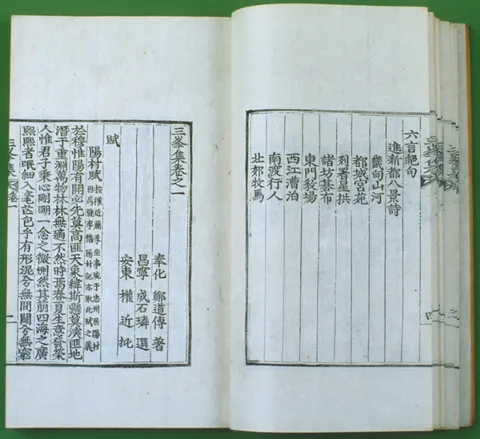
Neo-Confucian architect of the new dynasty who named the palace and capital gates; killed in the First Strife of Princes
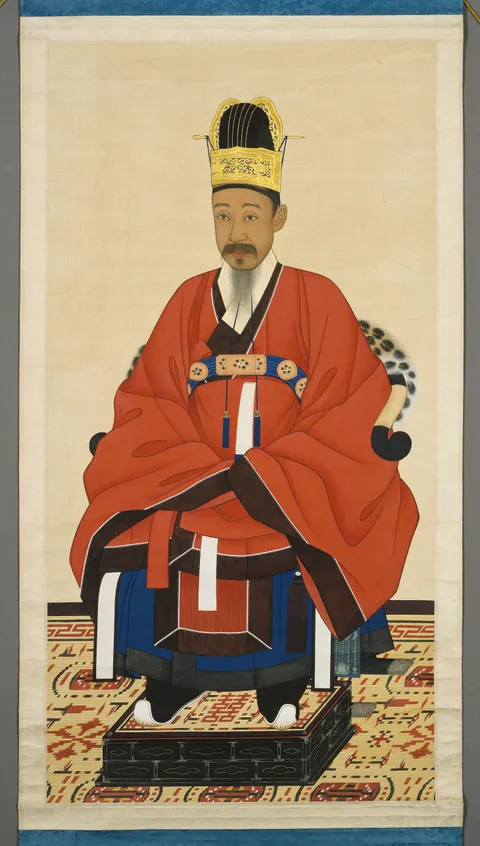
Gojong's father and regent, who rebuilt Gyeongbokgung and rejected Western trade
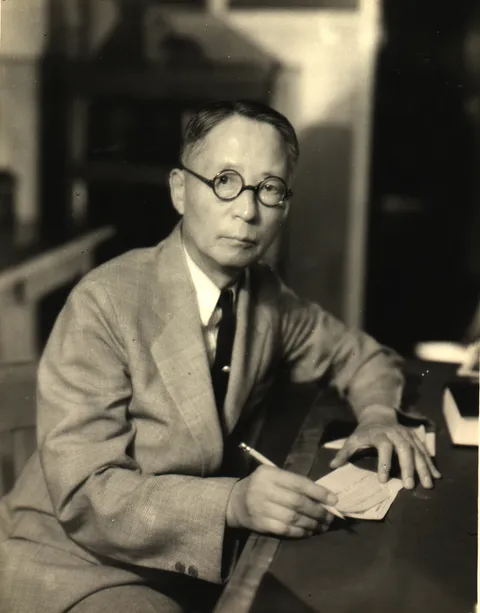
Joined the 1884 coup, lived in exile in the US, then returned to found The Independent
Founder of Baekje, who came south from Goguryeo and settled at Wiryeseong on the Han River
Twentieth king of Goguryeo, who moved the capital to Pyongyang and took the Han River basin
Twenty-fourth king of Silla, who took the Han River basin and Daegaya, raised border steles and organized the hwarang
Epigrapher and calligrapher who created the Chusa style, identified the Bukhansan stele as King Jinheung’s, and painted Sehando in exile on Jeju
Seized power in the 1453 coup and took the throne from his nephew Danjong