Ming–Japan Tally Trade
Also called: Kangō trade, Tally trade
In return for being invested by the Ming as “King of Japan” and suppressing pirates, Ashikaga Yoshimitsu won tributary trade with China from 1404, open only to ships carrying a tally (kangō) to prove their identity.
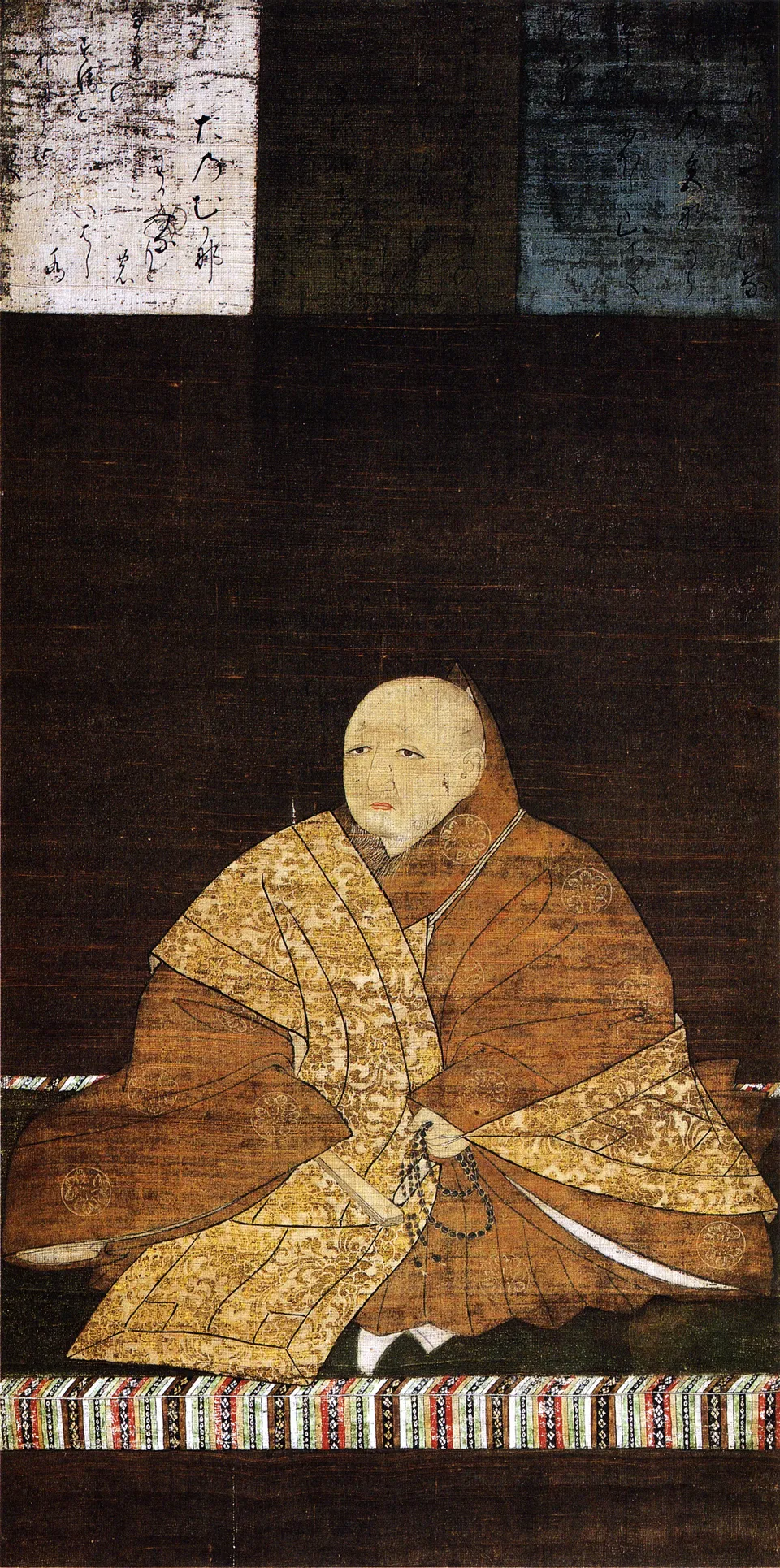
Unknown (Inscription attributed to Asukai Masachika ) · Public domain · Source
The Ming banned private trade by sea, allowing only trade attached to tribute missions, and demanded that Japan curb the wokou. Having reunited the two courts, Ashikaga Yoshimitsu sent an embassy in 1401 and the next year was invested as “King of Japan”, and the first tally ship sailed for China in 1404. The tally was a Ming-issued credential; matching its halves distinguished official envoys from pirates.
Japan sent copper, sulphur, swords and folding fans and brought back Ming coins (Yongle tongbao), raw silk, silks and books; the coins fuelled Japan’s money economy. The fourth shogun broke off the trade for a time, but it resumed in 1432; later the Hosokawa and Ōuchi daimyo took control and fought over it (the Ningbo Incident of 1523), and it ended in the mid-16th century.
Joseon, too, managed relations with Japan as a neighbour: to placate the pirates it opened the three ports of Busanpo, Jepo and Yeompo in 1426, and in the Gyehae Treaty of 1443 limited the trading ships of the lord of Tsushima to fifty a year.