Assyrian Conquest of Israel
Also called: Fall of Samaria, Ten Lost Tribes
Around 722 BCE Assyria took Samaria, capital of the northern Kingdom of Israel, and deported tens of thousands of its people. The ten northern tribes vanished from history.
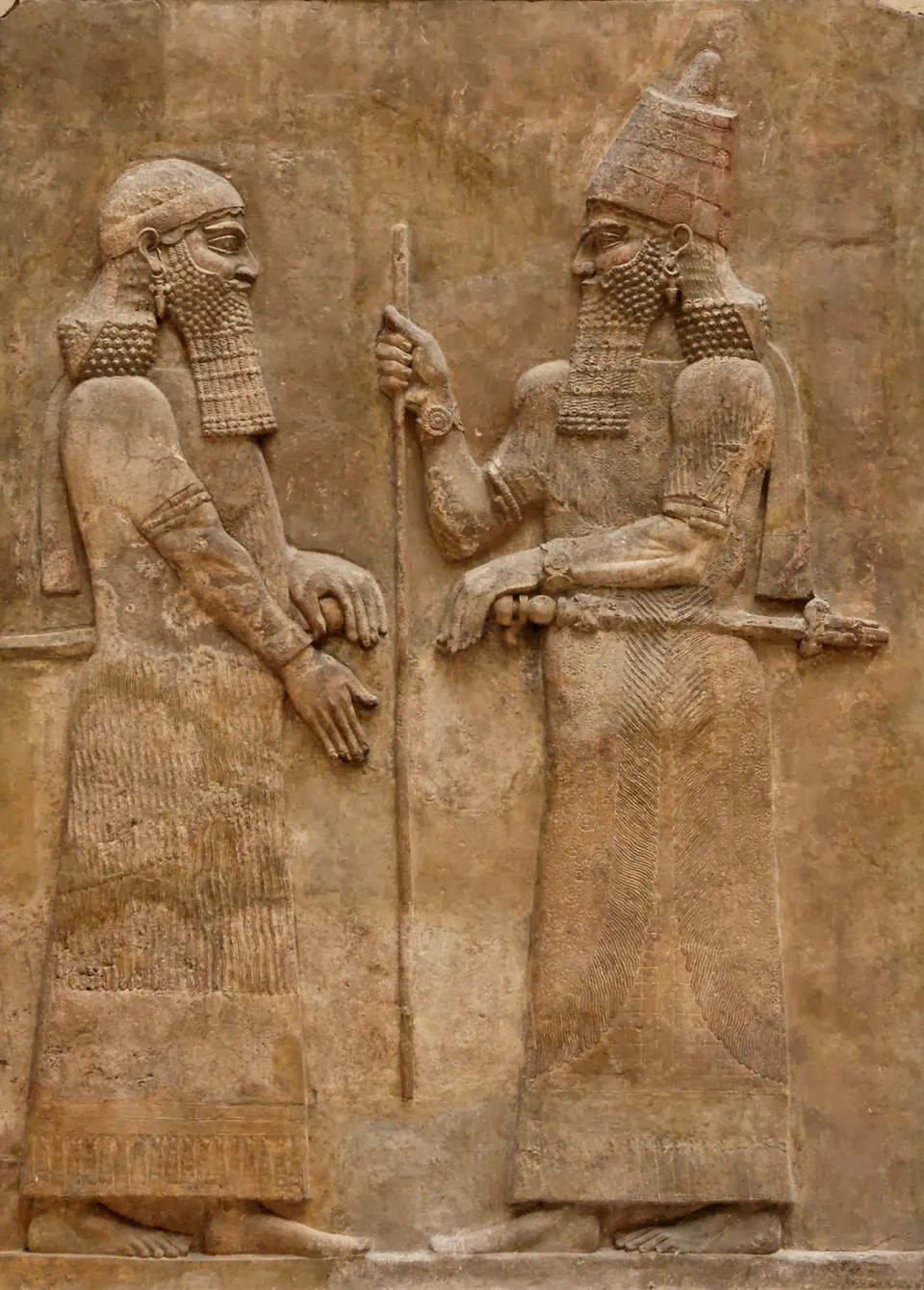
Unknown author · Public domain · Source
Of the two kingdoms that split after Solomon’s death, the northern one, Israel, had its capital at Samaria. As Assyria pushed west in the 8th century BCE, Israel paid tribute and then, counting on Egypt, rebelled. Shalmaneser V of Assyria besieged Samaria for three years, and the city fell around 722 BCE.
His successor Sargon II recorded in his inscriptions that he carried off 27,290 people of Samaria. Assyria resettled conquered peoples in distant lands, and people from elsewhere were brought into Samaria. The deported northern tribes never returned, giving rise to the story of the “Ten Lost Tribes”, while the descendants of those who stayed and of the newcomers became the Samaritans.
The Second Book of Kings (chapter 17) records the event too, so the Bible and Assyrian records confirm it together. The southern kingdom of Judah held out for another 130 years or so.