Boxer Protocol
Also called: Peace Protocol of 1901, Xinchou Treaty
Treaty signed on 7 September 1901 between China and eleven powers. China was to pay 450 million taels of silver over 39 years — more than 980 million with interest — and accept foreign troops in the Beijing Legation Quarter and between Beijing and the sea.
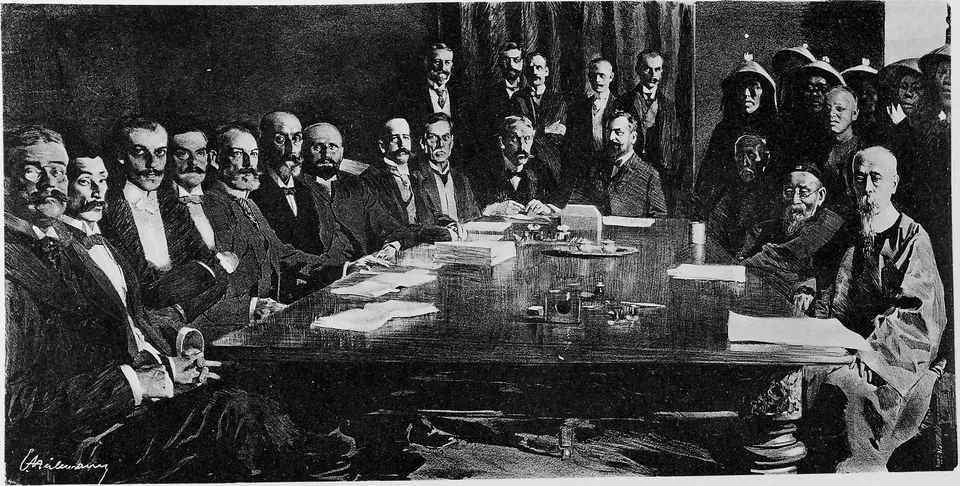
Alfons von Mumm · Public domain · Source
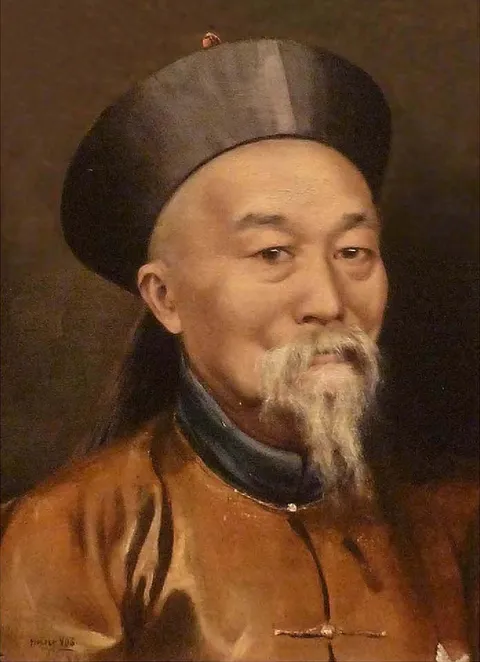
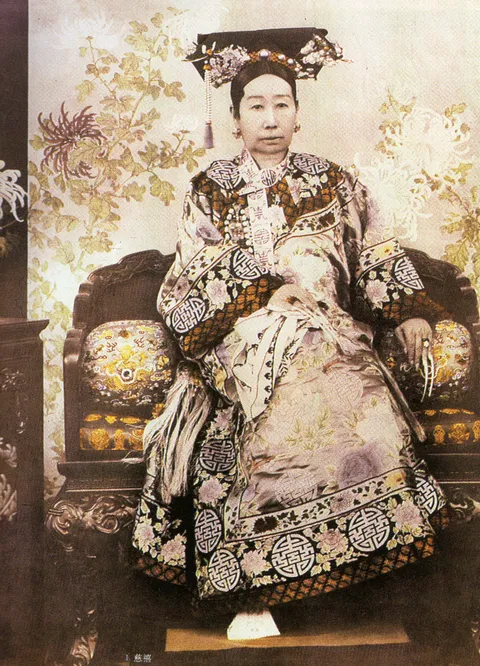
With Beijing occupied by the Eight-Nation Alliance and Cixi in flight at Xi’an, Li Hongzhang and Prince Qing negotiated with the powers. Under the protocol signed on 7 September 1901 China punished the officials who had backed the Boxers, razed the Dagu forts, let foreign troops guard the Legation Quarter, and allowed foreign garrisons along the railway from Beijing to the sea.
The indemnity was 450 million taels — one tael for every person in China. Payable over 39 years at 4% interest, it came to more than 980 million taels, secured on the customs and the salt tax: a debt several times the Qing government’s annual revenue.
Two months after the signing Li Hongzhang died. Returning to Beijing the next year, Cixi at last embarked on the “New Policies” reforms, but the crushing debt and taxes fed the anger of the people and the provinces.