Byzantine Iconoclasm
Also called: Iconoclast Controversy
Iconoclasm, begun in 726 when the Byzantine emperor Leo III banned the veneration of images, provoked the opposition of the Roman Church and drove the eastern and western churches apart.
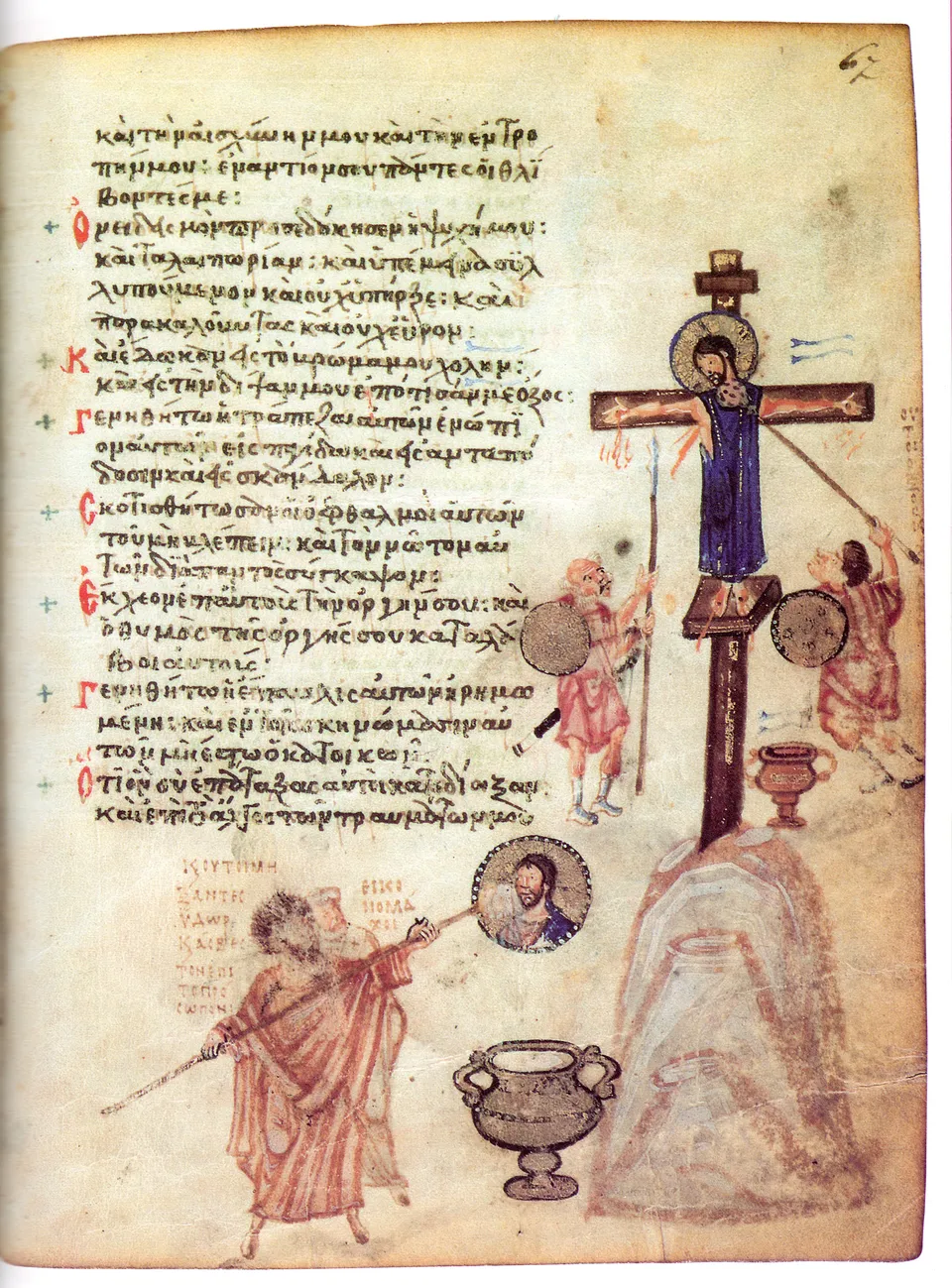
Unknown author · Public domain · Source
In the Byzantine Empire the veneration of pictures and statues (icons) of Christ, the Virgin and the saints was widespread. Emperor Leo III, who was fighting the Muslims, who regarded such veneration as idolatry, banned it around 726 and ordered images removed. Historians see in this also an aim to curb the power of the monasteries, which held many icons.
The pope in Rome, who used images to teach the Germanic peoples he was converting, strongly opposed the ban and turned for support from the Byzantine emperor to the Frankish kingdom. Icons were restored by the Second Council of Nicaea in 787, banned again, and finally restored only in 843. The conflict deepened the rift that led to the East–West Schism of 1054. At this time Balhae under King Mu was expanding its power, attacking the Tang port of Dengzhou (732).