Reforms of Heraclius and the Theme System
Also called: Theme system
Emperor Heraclius defeated Sasanian Persia and saw the empire through crisis by dividing it into military districts (themes) whose commanders also ran civil government.
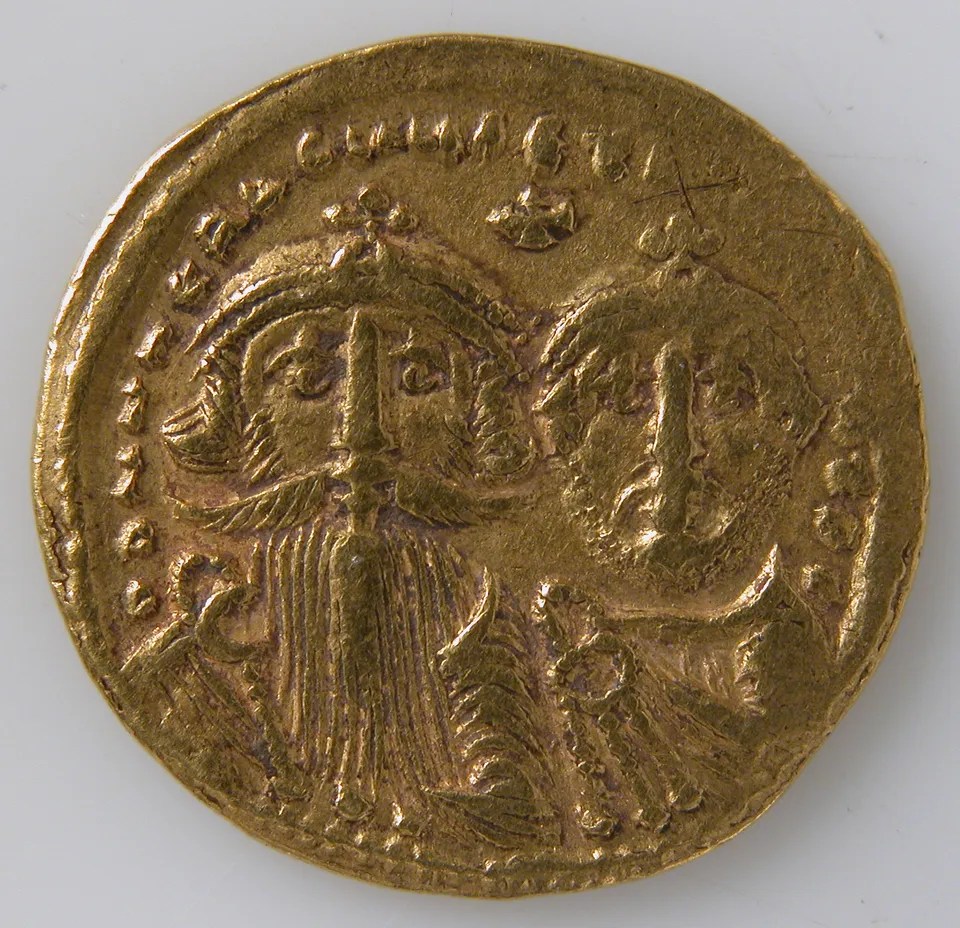
Heraclius took the throne in 610 amid a crisis in which Sasanian Persia had seized Syria and Egypt; he counter-attacked and forced Persia to submit in 628, but soon lost Syria and Egypt to the Muslims. The empire was divided into military districts (themes) whose commanders also took over civil administration, and its army was maintained by soldier-farmers who held land in return for military service. Greek now became the official language, and the empire took on a more Greek character. Some historians hold that the theme system took shape gradually over the 7th century after Heraclius. At the same time Goguryeo defeated the great Sui army at the Battle of Salsu (612).