Spanish Colonial Rule and Las Casas
Also called: Encomienda, New Laws, Valladolid debate
Spain ruled the Americas through viceroyalties and the encomienda, which let conquerors exploit native labour. Las Casas denounced the abuse of the native peoples, and the New Laws of 1542 restricted the encomienda.
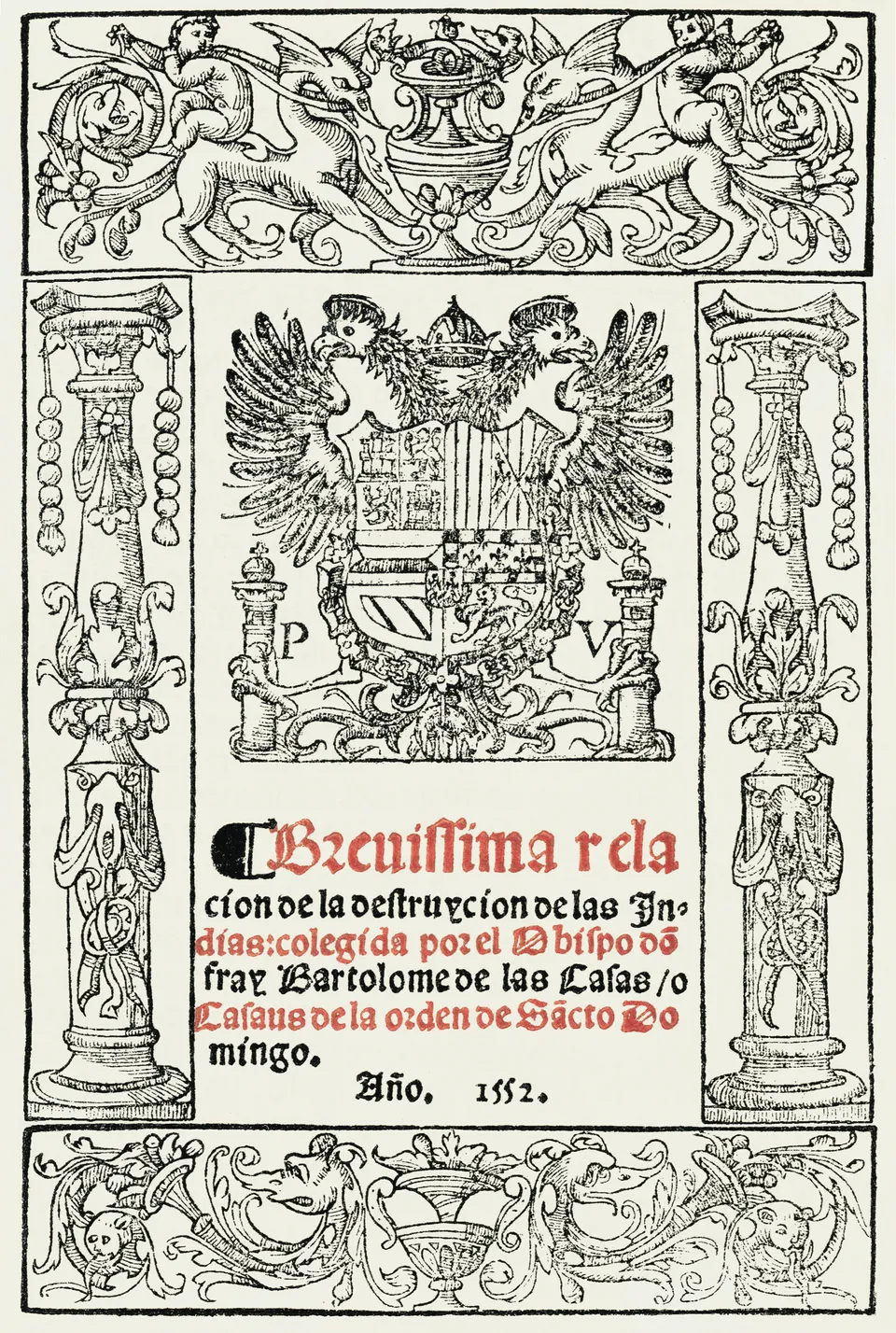
Bartolomé de las Casas · Public domain · Source
Having conquered the Aztecs and the Inca, Spain governed the Americas through the viceroyalties of New Spain (1535) and Peru (1542). The encomienda entrusted native villages to conquerors, who received their tribute and labour in return for an obligation to bring them to Christianity; in practice it became a means of working native people to exhaustion in mines and fields. Combined with epidemic disease, it sent the native population into steep decline.
The priest Bartolomé de las Casas gave up his own encomienda, became a Dominican friar and championed native rights. In 1542 Charles I issued the New Laws, forbidding the enslavement of native people and the inheritance of encomiendas, though settler resistance forced some to be withdrawn. Las Casas published A Short Account of the Destruction of the Indies (1552) and in the Valladolid debate of 1550 argued that the native peoples were rational human beings. In the colonies a social order took shape of Spanish-born peninsulares, criollos, mestizos, native people and African slaves. In Joseon at the same time Ju Se-bung founded the Baegundong Seowon (1543).