Founding of the Maurya Empire
Also called: Mauryan Empire
Chandragupta Maurya overthrew the Nanda dynasty of Magadha and founded India’s first unifying empire, with its capital at Pataliputra.
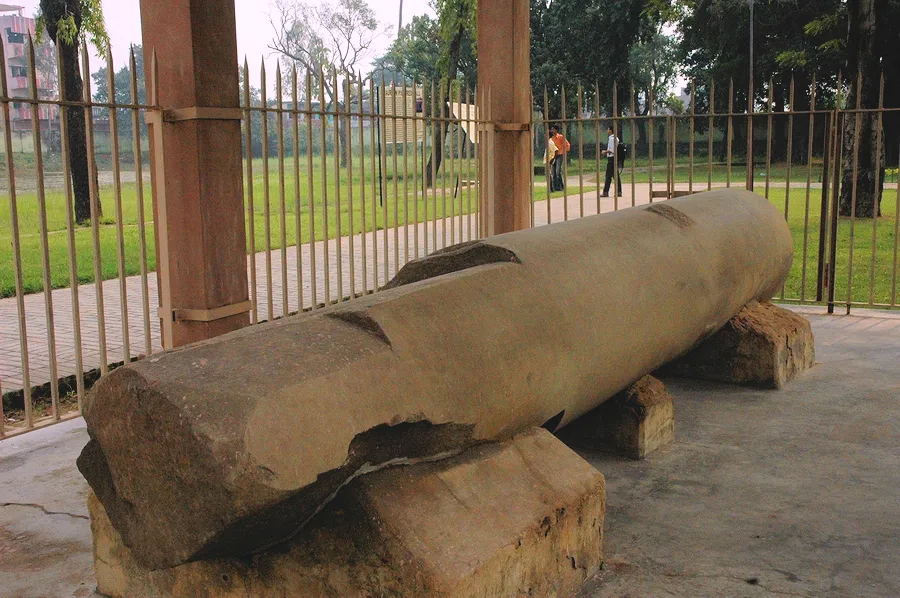
Manoj nav ( talk ) · Public domain · Source
After Alexander reached the Indus valley in 326 BCE and withdrew, Chandragupta Maurya overthrew the Nanda dynasty of Magadha, the strongest state on the Ganges, and founded the Maurya dynasty with its capital at Pataliputra. He drove the Greek garrisons out of the Indus region and, around 305 BCE, repelled Seleucus I and received lands reaching into today’s eastern Afghanistan. Northern India was united under one empire for the first time.
The Arthashastra, a treatise on kingship, bureaucracy, taxation and espionage attributed to his minister Kautilya (Chanakya), survives, though many scholars think its present form was compiled later. Megasthenes, envoy of the Seleucids, described the splendour of Pataliputra in his Indica. The empire reached its height under Chandragupta’s grandson Ashoka.