Founding of the Yuan Dynasty
Also called: Great Yuan, Pax Mongolica
Kublai adopted the dynastic name Great Yuan and made Dadu (present-day Beijing) his capital. The Mongol Empire divided into the Yuan and several khanates.
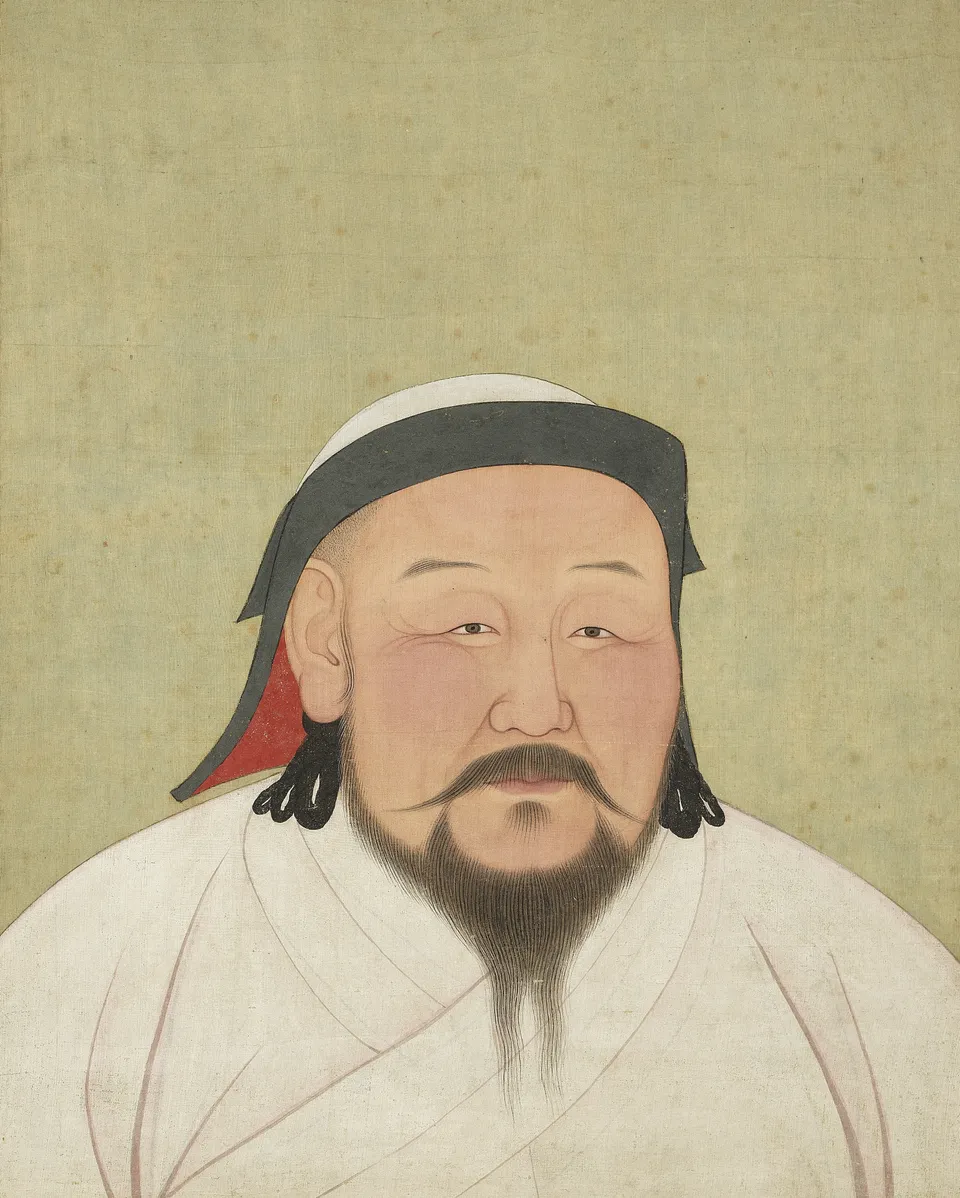
Araniko · Public domain · Source
After Möngke’s death Kublai was proclaimed Great Khan at Shangdu (Kaiping) in 1260 and defeated his brother Ariq Böke, enthroned at Karakorum, in a four-year war. The Golden Horde, Chagatai Khanate and Ilkhanate, however, only loosely acknowledged him and went their own ways. In 1271 Kublai adopted the Chinese-style dynastic name Great Yuan and the next year made Dadu his capital. The Yuan ranked its subjects as Mongols, semu (western and central Asians), Han and southerners, and relay stations, the Grand Canal and sea routes linked Eurasia in a great age of exchange (the Pax Mongolica). Goryeo, having made peace in 1259, became a son-in-law state of the Yuan and came under its interference.