Stalin’s Great Purge
Also called: Great Terror, Moscow Trials, Yezhovshchina
Claiming to root out “enemies of the people”, Stalin had Party officials, army commanders, intellectuals and ordinary citizens arrested en masse and shot or sent to the camps.
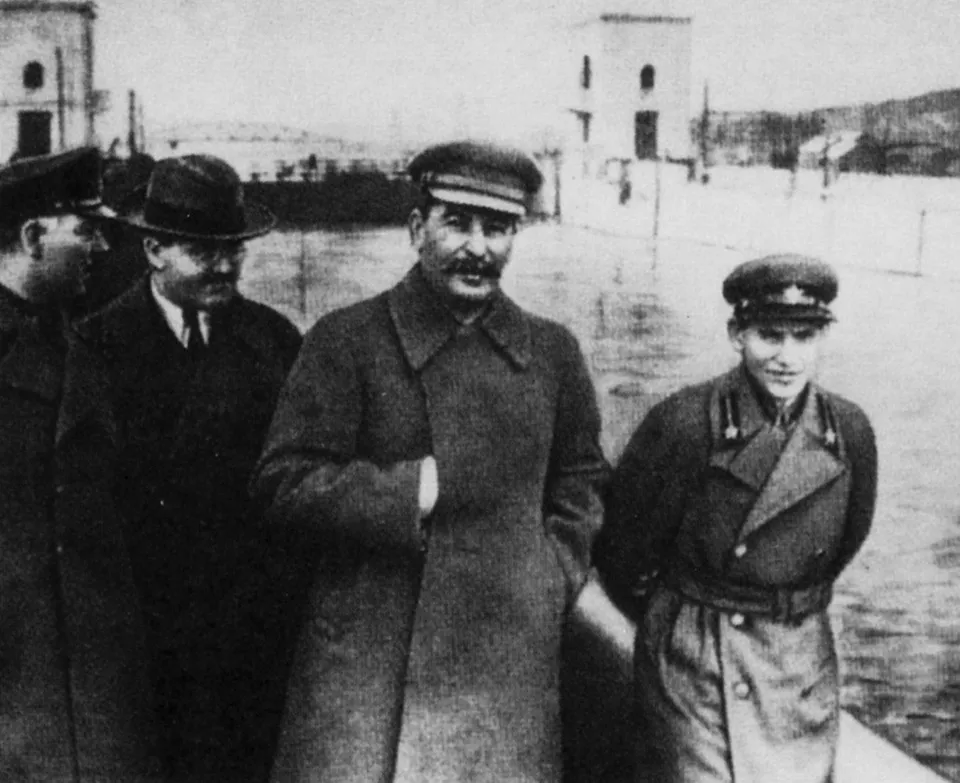
Unknown author · Public domain · Source
When the Leningrad Party leader Kirov was assassinated in December 1934, Stalin used it as a pretext to hunt down opponents. In three Moscow show trials in 1936–1938, Old Bolsheviks such as Zinoviev, Kamenev and Bukharin were executed for treason after forced confessions, and in 1937 Marshal Tukhachevsky and a host of Red Army commanders were purged.
The secret police (the NKVD) worked to arrest quotas assigned region by region. According to Soviet records, in 1937–1938 alone about 1.5 million people were arrested and more than 680,000 of them shot, while far more were sent to the Gulag labour camps. Minorities such as Poles and Koreans were also targeted. The purge completed Stalin’s personality cult and dictatorship, but an army stripped of its commanders paid dearly in the opening stage of the war with Germany.