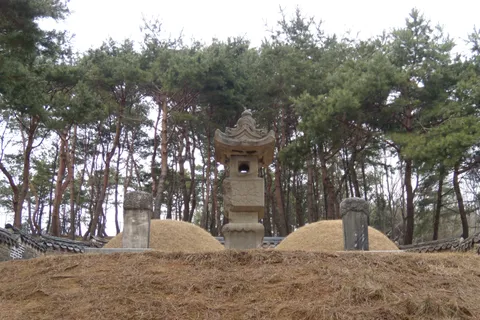
Gwanghaegun’s Neutral Diplomacy
At Ming request Joseon sent an army under Gang Hong-rip against the Later Jin; when the Ming were routed at Sarhu, Gang surrendered, and Gwanghaegun kept Joseon neutral between Ming and Jurchens.
As Nurhaci’s Later Jin grew, the Ming invoked their help in the Imjin War and demanded troops (1618). Gwanghaegun sent some 10,000 men under Gang Hong-rip, reportedly telling him to act as circumstances required. When the Ming collapsed at Sarhu in 1619, Gang surrendered and told the Jurchens that Joseon had marched only under compulsion.
Gwanghaegun worked to rebuild after the war: he applied the Daedong law in Gyeonggi (1608), resurveyed land and households, had the Dongui bogam completed and restored the archives of the dynastic annals, and reopened relations with Japan by the Giyu treaty (1609). But his neutrality, and the killing of Prince Yeongchang and confinement of Queen Dowager Inmok, gave the Westerners their justification for the 1623 coup.