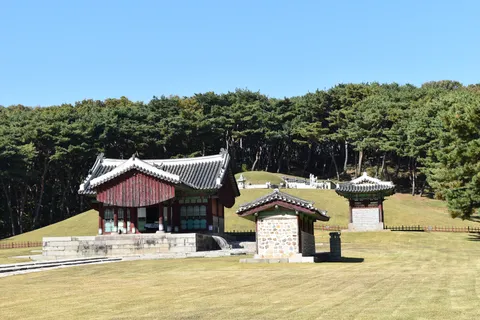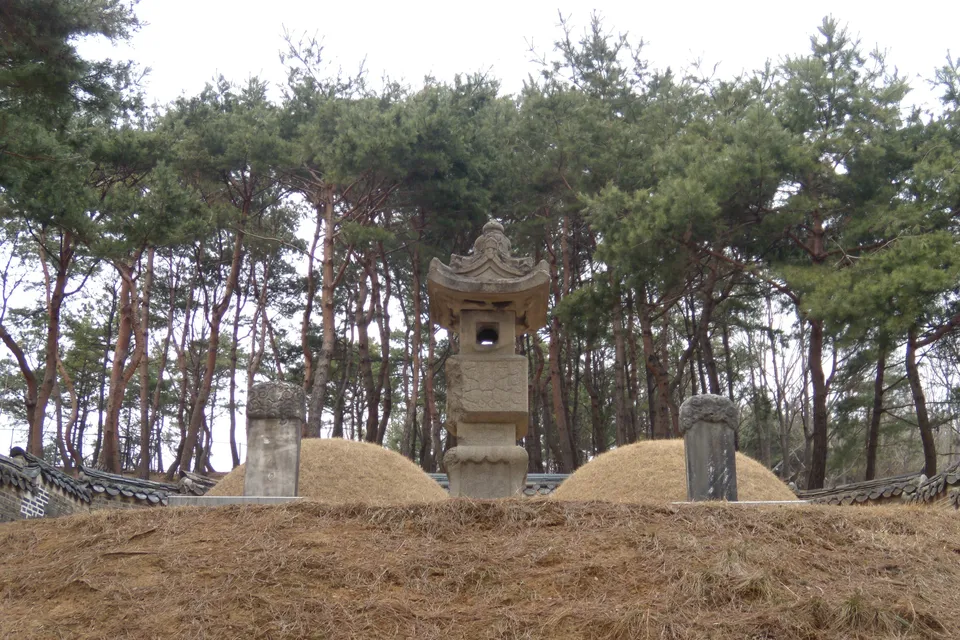
Tomb of Gwanghaegun, Namyangju

Shrhd25 (Korean Wikipedia) · Public domain · Source

Person1575 – 1641

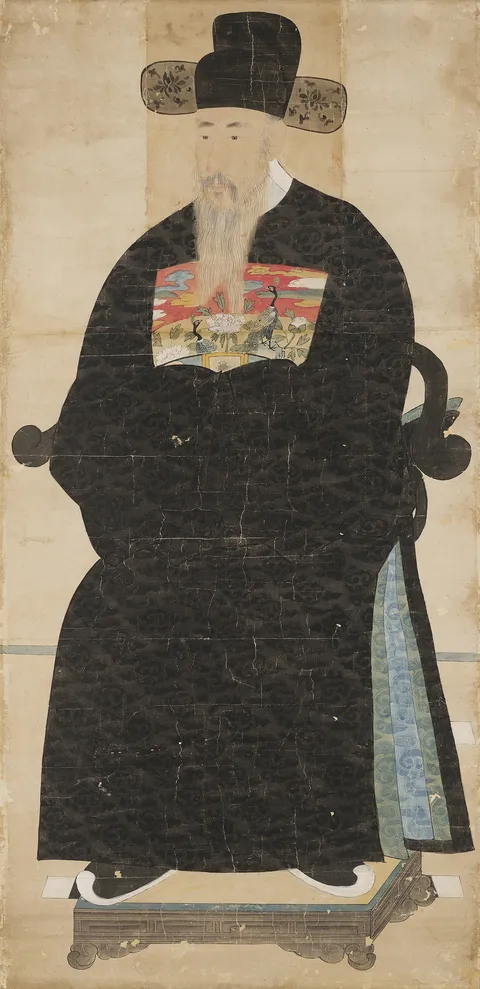
Gwanghaegun

Fifteenth king of Joseon who began the Daedong law and balanced Ming and the Later Jin; deposed in 1623

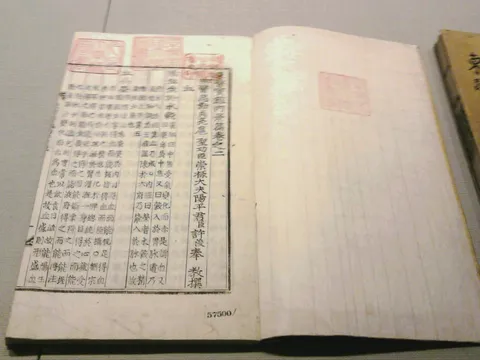
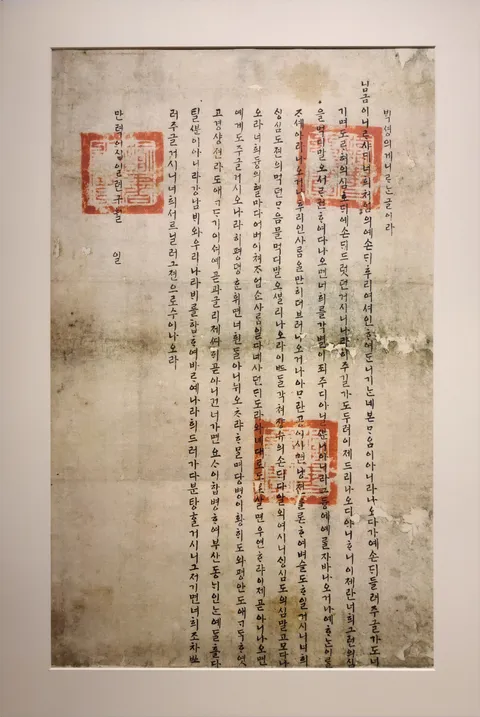
As crown prince in the Imjin War he led a branch court, raised volunteer armies and directed the fighting. As king he introduced the Daedong law in Gyeonggi in 1608, redrew land and household registers and saw the Dongui bogam completed. The Treaty of Giyu of 1609 restored relations with Japan. In 1619 he sent Gang Hong-rip to aid the Ming while avoiding war with the Later Jin, a policy of neutral diplomacy. Under his Northerner government Grand Prince Yeongchang was killed and Queen Dowager Inmok confined in the western palace, angering the Westerners; he was deposed in the Injo Restoration of 1623 and died on Jeju.
Where they went

OpenFreeMap © OpenMapTiles © OpenStreetMap contributors

6 related events

  1. 1

    At news of the defeat at Chungju, King Seonjo left Hanyang in the rain before dawn on the 30th. He went by Gaeseong and Pyongyang to Uiju on the Yalu and asked Ming for help.

  2. 2
    1608Daedong lawmonarch

    Tribute in local goods was replaced by a tax in rice levied on land; begun in Gyeonggi, it took a century to cover the whole country.

  3. 3
    1609Treaty of Giyumonarch

    After the Imjin War Joseon reopened trade with Japan through a treaty with Tsushima, opening only the port of Busan and limiting trade ships to twenty a year.

  4. 4

    Heo Jun completed the 25-volume medical encyclopedia Dongui bogam, drawing on Korean herbs and remedies; it is on UNESCO’s Memory of the World register.

  5. 5

    At Ming request Joseon sent an army under Gang Hong-rip against the Later Jin; when the Ming were routed at Sarhu, Gang surrendered, and Gwanghaegun kept Joseon neutral between Ming and Jurchens.

  6. 6
    1623Injo Restorationrelated figure

    The Westerner faction deposed Gwanghaegun and enthroned Prince Neungyang as King Injo; the new pro-Ming stance soured relations with the Later Jin.

Related works

  • Film: MasqueradeDramatizedFilm · 2012 · Choo Chang-min
  • TV episode: Naked Korean History Episode 32: Why Was Gwanghaegun, a Hero of the Imjin War, Deposed?TV episode · 2022 · Kye Seung-beom · tvN STORY

Dramatized works (films, dramas, novels) may differ from the historical record.

People who appear alongside

  • King Seonjo1552 – 1608

    Fourteenth king of Joseon; fled to Uiju and asked Ming for help

  • Ryu Seong-ryong1542 – 1607

    Chief State Councillor who directed the war effort during the Imjin War, proposed the Hullyeon Dogam, and wrote the Jingbirok

  • Yi Won-ik1547 – 1634

    Chief state councillor who proposed the Daedong tax reform

  • Kim Yuk1580 – 1658

    Chief State Councillor under Hyojong who extended the Uniform Land Tax Law and urged adoption of the Shixian calendar and minting of coins

  • Heo Jun1539 – 1615

    Royal physician who compiled the Dongui bogam

  • Gang Hong-rip1560 – 1627

    Commander of the Joseon army sent at Ming request against the Later Jin in 1619, who surrendered to the Jurchens after the defeat at Sarhu

  • Injo1595 – 1649

    Sixteenth king of Joseon, enthroned by coup; endured two Manchu invasions and surrendered at Samjeondo

  • Choe Myeong-gil1586 – 1647

    Westerner who helped stage the Injo Restoration and led the case for making peace with Qing in the Second Manchu Invasion; also versed in Yangming learning

Themes this person appears in

  • Factional Politics in Joseon1498 – 1863

    From the literati purges to in-law government — how Sarim factions moved from coexistence and checks to purges and one-faction rule, then through Tangpyeong to the dominance of a few clans

  • Changes in TaxationAD 755 – 1894

    From land tax, tribute and labour to cash taxes in the Gabo Reform — burdens shifting from people and households to land

  • Ming, Qing and Edo Japan1500 – 1800

    The age when the Ming, shaken by northern raiders, southern pirates and the silver economy, fell to Li Zicheng’s rebels, and the Manchu Qing reached its greatest extent and prosperity under Kangxi, Yongzheng and Qianlong — as Japan was unified out of the Warring States into the Edo shogunate’s bakuhan order and closed country, and Joseon, after two great wars, met its neighbours through embassies to Edo and the Northern Learning

  • Printing and Documentary HeritageAD 751 – 2011

    From the Dharani Sutra to the May 18 archives — woodblock and metal-type printing, and the records inscribed on the Memory of the World

  • Busan1443 – 1979

    Port of the Japan House and of the 1876 opening — Korea’s gateway to Japan, and wartime capital in the Korean War