Nurhaci Founds the Later Jin
Also called: Founding of the Later Jin, Eight Banners
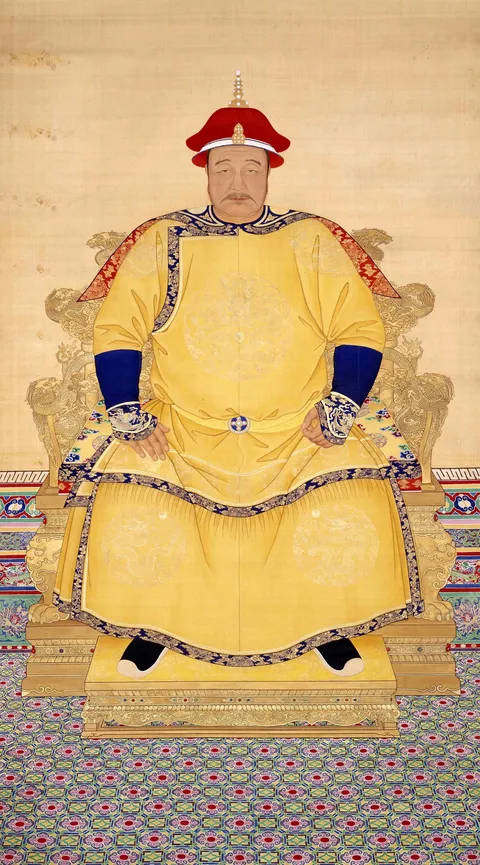
Nurhaci of the Jianzhou Jurchens united the Jurchens, created the Eight Banners and founded the Later Jin at Hetu Ala in 1616. His son Hong Taiji renamed the state Qing in 1636.
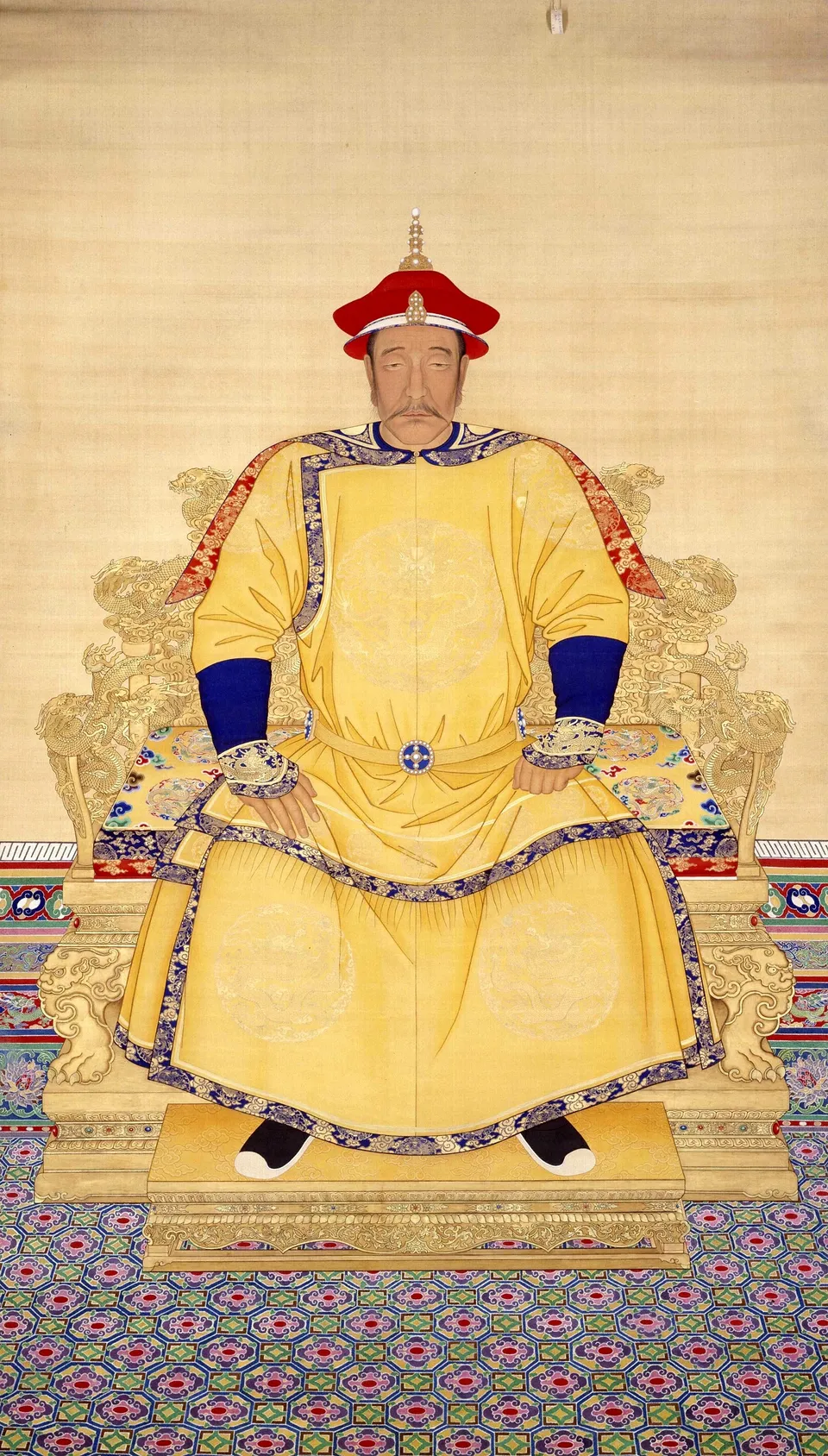
Unknown author · Public domain · Source
In the late sixteenth century the Jurchens of Manchuria were split into many tribes and kept in check by the Ming. Nurhaci of the Jianzhou Jurchens took up arms in 1583, absorbed tribe after tribe, and grew greatly in strength while Ming and Joseon were tied down in the south by the Imjin War. He grew rich on the ginseng and fur trade, organised soldiers and people into the Eight Banners distinguished by flag colour, and had the Mongol script adapted into a Manchu script (1599).
In 1616 Nurhaci proclaimed himself khan at Hetu Ala and named his state Jin (Aisin); historians call it the Later Jin to distinguish it from the twelfth-century Jin. In 1618 he proclaimed the “Seven Grievances” against the Ming and attacked Fushun; the next year he crushed the allied Ming and Korean armies at Sarhu, and after taking Liaodong he moved his capital to Shenyang (Mukden) in 1625.
Defeated by the Ming general Yuan Chonghuan at Ningyuan in 1626, Nurhaci died soon after and his son Hong Taiji succeeded him. Hong Taiji invaded Korea in 1627 (the first Manchu invasion) and imposed a “brotherly” relationship; having absorbed Inner Mongolia, he renamed his people Manchu in 1635 and his state Qing in 1636, taking the title of emperor. He then invaded Korea again to demand submission as a vassal (the second Manchu invasion).