Equalised service tax
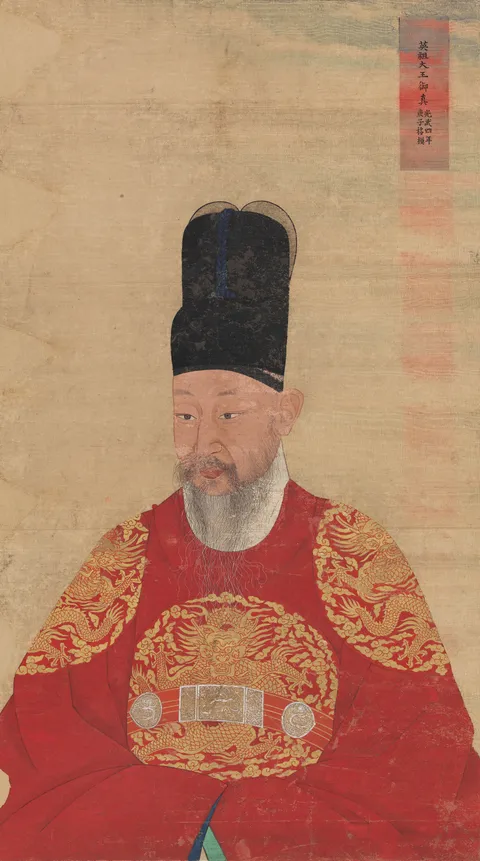
The annual military cloth tax on commoner men was halved from two bolts to one, with the shortfall covered by new levies on fisheries, salt and land.
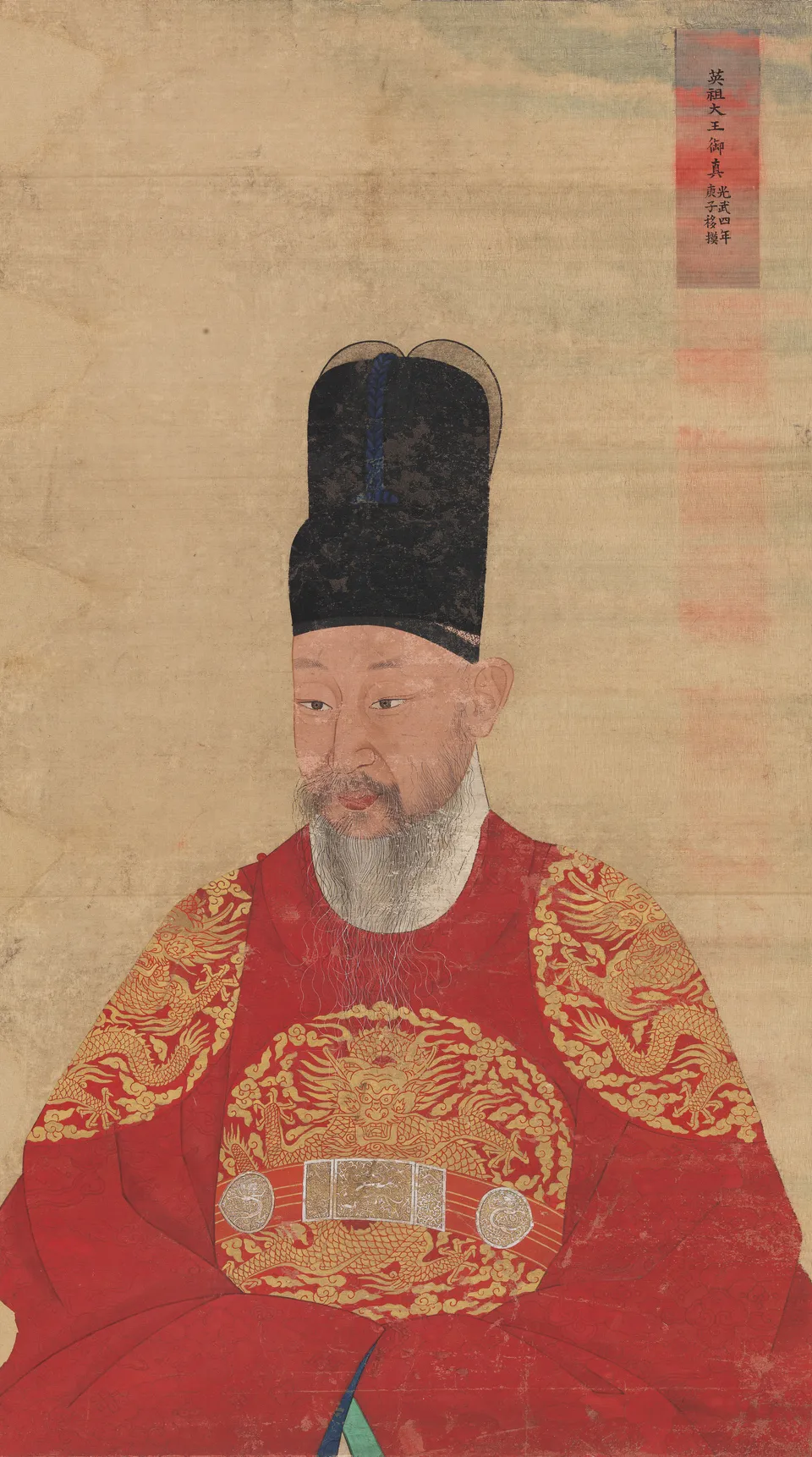
Chae Yong-sin / Jo Seokjin · Public domain · Source
The cloth paid in lieu of military service was collected separately by several army commands and could exceed two bolts a year, while yangban were exempt. Officials even taxed infants and the dead and shifted arrears to neighbours and relatives, causing deep resentment.
Yeongjo created an office for the equal service law and cut the levy to one bolt. The shortfall was made up by a land surtax of 2 du of rice per gyeol, a levy on wealthier commoners given honorary officer titles, and fishery, salt and boat taxes formerly collected by the royal household. But landlords passed the surtax on to tenants and abuses in the military roll continued into the nineteenth-century disorder of the three revenue systems.